
Before Memmo my notes were scattered across PDFs. Now a workspace pulls everything into one place — I see exactly what's still left to study.
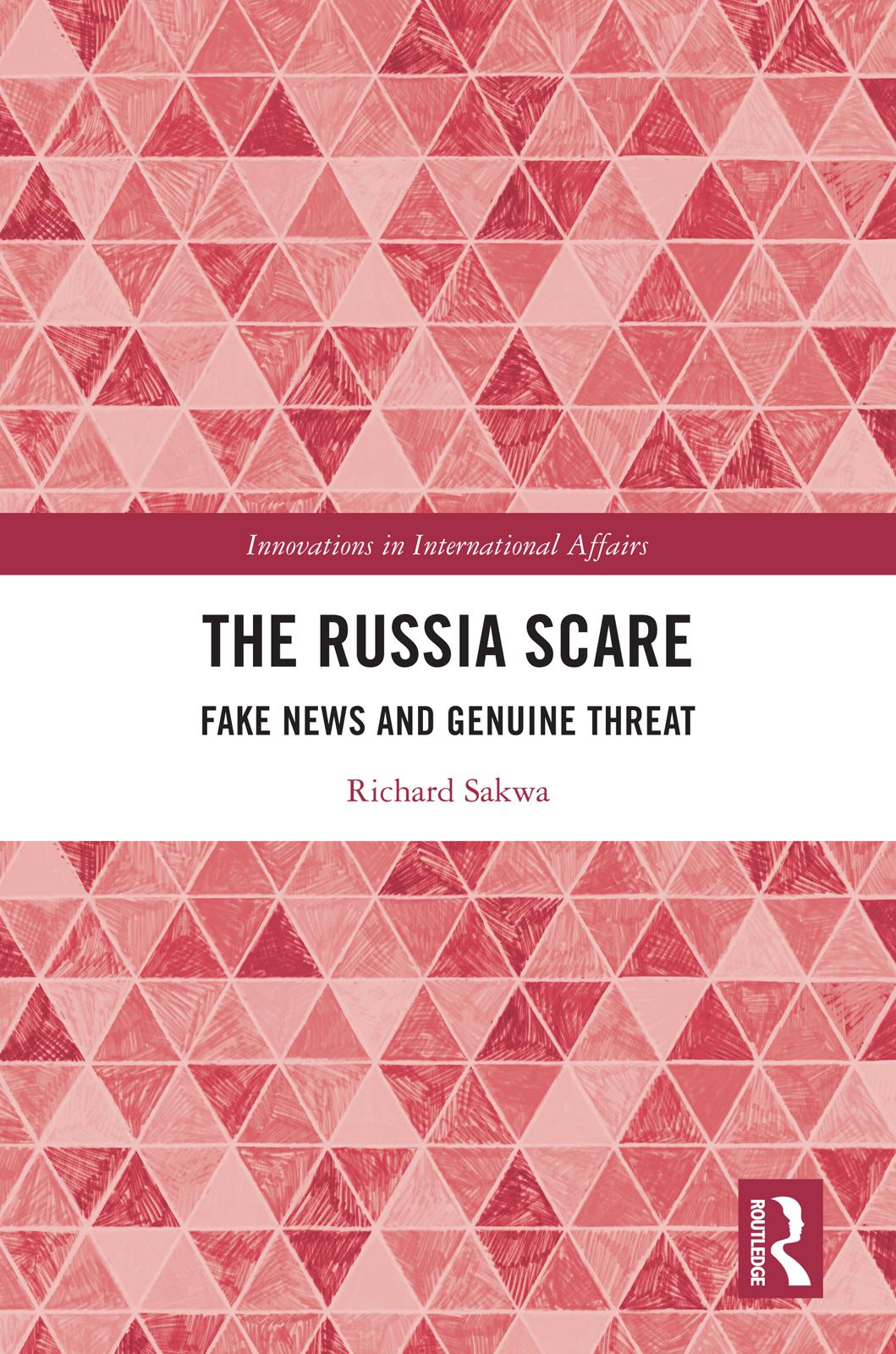
The Russia Scare assesses the scope, character and extent of Russian interference in the affairs of liberal democratic states.
This book examines the ‘Russia scare’ in a dynamic manner, stressing the interaction between threat perception, responses and subsequent policies. What forms did this threat take, what were the instruments used, how effective were the deployed tools and who were the allies with whom Russia worked in these endeavours? Above all, what impact did interference have on target societies? The book explores why Russia engaged in such activities, what the probable chain of command was (if any) and the role of the Russian leadership in all of this, as well as investigating the response of Western societies and governments. The author sifts the real from the imagined, which can only be achieved by establishing the larger historical context. He scrutinises the fundamental question: was Russia before the invasion of Ukraine in 2022 really engaged in a sustained ‘hybrid warfare’ campaign to sow discord and undermine Western democracies? If so, what were the strategic purposes underlying such an activity? Various hypotheses are analysed, notably that Russian post-Cold War activity is nothing exceptional in the context of great power confrontation; that all great powers are engaged in one way or another in such actions, and thus contextualisation is important; and that Russia’s subversive activity was often exaggerated, even misrepresented. Responses potentially amplified the elements of subversion represented by the original threat. Threats exist, but responses always need to be calibrated so as not to inflict self-harm on the integrity of liberal democracy itself.
This book will be of great interest to students, scholars and academics of international relations, comparative politics, security and defence studies, global governance and Russian politics, as well as politicians, political advisers, NGOs, diplomats and journalists.
Before Memmo my notes were scattered across PDFs. Now a workspace pulls everything into one place — I see exactly what's still left to study.
Memmo's summaries are gold before exams. I don't have to re-read 800 pages two weeks before — just the important parts.
The AI chat has saved me the night before an exam more than once. I just keep asking until I get it — no waiting on a study group to reply.
The quizzes hit exactly what I need to know. Memmo tracks what I get stuck on — so I only practice what's worth it.
Flashcards with spaced repetition are magic. Memmo knows when I'm about to forget something and brings it back.
The AI podcasts are my favorite. I listen on my way to school and get a recap without sitting at a computer.

Handbok i kvalitativa metoder
281 kr

Hållbar utveckling: en introduktion för ingenjörer och andra problemlösare
334 kr

Brymans Samhällsvetenskapliga metoder
390 kr

Projektledning
491 kr

Den orättvisa hälsan: om socioekonomiska skillnader i hälsa och livslängd
326 kr

Organizational Leadership
429 kr

Vetenskapsteori för nybörjare
196 kr

På väg mot läraryrket
172 kr

Det sociala livet i skolan: Socialpsykologiska perspektiv
253 kr

Betygsättningens didaktik
151 kr

Personality
402 kr

Studying Leadership
404 kr

Managing Innovation
477 kr

Introduktion till samhällsvetenskaplig metod
347 kr

The Psychology of Sex and Gender
698 kr

Evidens och kunskap för socialt arbete
207 kr

Introduction to Leadership
605 kr