
Before Memmo my notes were scattered across PDFs. Now a workspace pulls everything into one place — I see exactly what's still left to study.
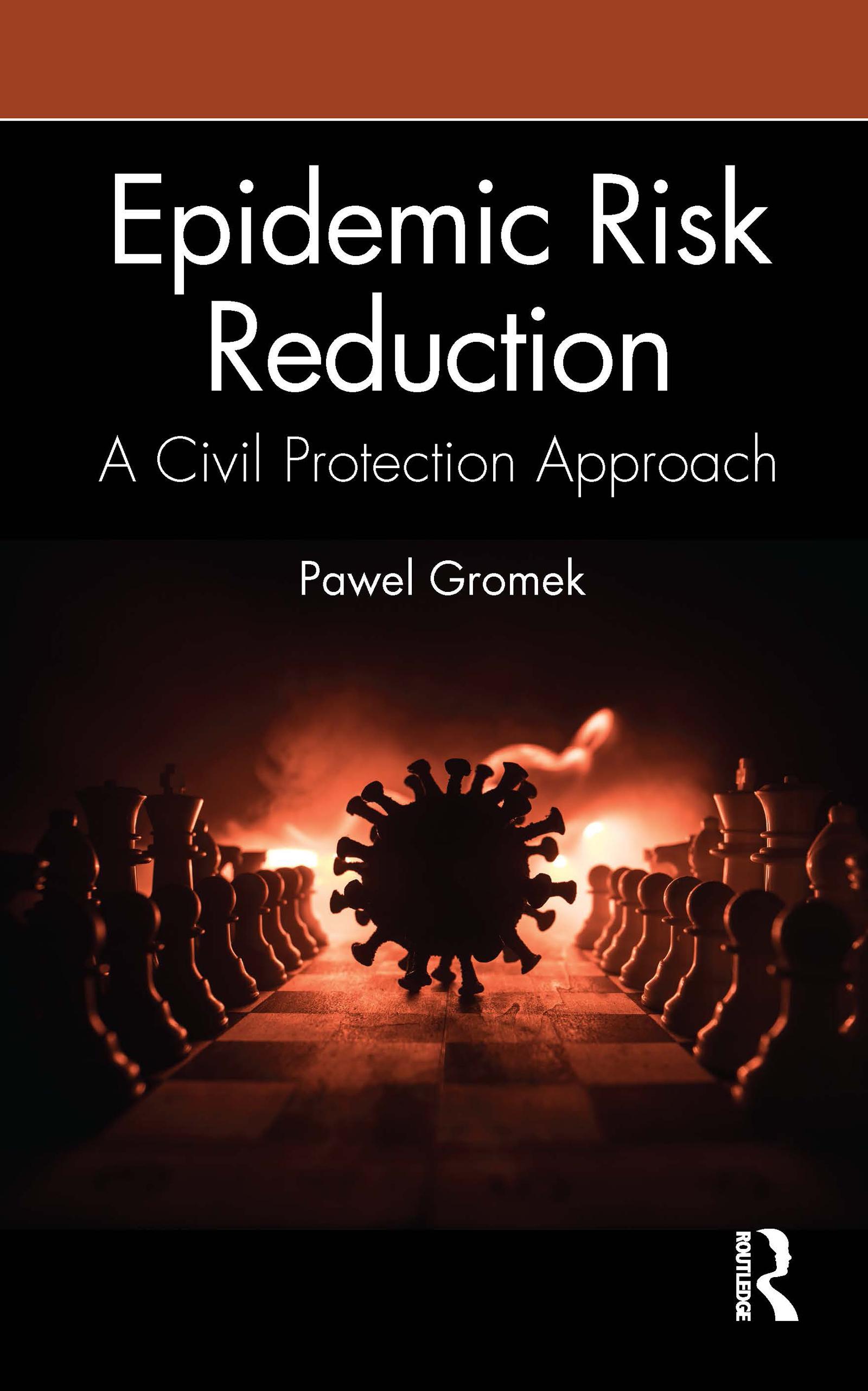
Epidemic Risk Reduction: A Civil Protection Approach focuses on disaster risk reduction (DRR) relative to epidemic outbreak and the concept of civil protection and public safety. First and foremost, the primary role of public officials and agencies—including police, military, public health, and emergency management and response professionals—must be the safety and security of citizens. The book provides practical solutions and policies that can be enacted and instituted to protect human life and health as well as property and environment in the scope of human survival, providing essential services, and providing for peoples’ basic needs.
The author examines epidemics as disasters, similar to natural hazards or other large-scale events that require planning, preparedness, mitigation, and response. The approach is unique in looking at tools for risk assessment and strategic planning formulated around civil protection measures as a means to reduce and mitigate risk. Often, preparedness and response planning is siloed with an epidemiological and medical response at the forefront. While absolutely important and essential, doing so—in conjunction with coordinated government efforts to provide necessary supplies, security, and logistics—is equally critical to meet the public’s needs and provide a coordinated response.
Key Features:
Epidemic Risk Reduction: A Civil Protection Approach establishes a common language which will help in overcoming barriers for more coordinated efforts focused on epidemic management and operational response. While drawing on current research, and based on theoretical knowledge, the book also provides practical examples from around the world that look at real-world response efforts. This includes recommendations on how politicians, crisis response personnel, emergency planners, and public administrators and health professionals can better plan and prepare for future epidemics.
Before Memmo my notes were scattered across PDFs. Now a workspace pulls everything into one place — I see exactly what's still left to study.
Memmo's summaries are gold before exams. I don't have to re-read 800 pages two weeks before — just the important parts.
The AI chat has saved me the night before an exam more than once. I just keep asking until I get it — no waiting on a study group to reply.
The quizzes hit exactly what I need to know. Memmo tracks what I get stuck on — so I only practice what's worth it.
Flashcards with spaced repetition are magic. Memmo knows when I'm about to forget something and brings it back.
The AI podcasts are my favorite. I listen on my way to school and get a recap without sitting at a computer.

Handbok i kvalitativa metoder
281 kr

Hållbar utveckling: en introduktion för ingenjörer och andra problemlösare
334 kr

Brymans Samhällsvetenskapliga metoder
390 kr

Projektledning
491 kr

Den orättvisa hälsan: om socioekonomiska skillnader i hälsa och livslängd
326 kr

Vetenskapsteori för nybörjare
196 kr

Organizational Leadership
429 kr

På väg mot läraryrket
172 kr

Det sociala livet i skolan: Socialpsykologiska perspektiv
253 kr

Betygsättningens didaktik
151 kr

Personality
402 kr

Studying Leadership
404 kr

Managing Innovation
477 kr

Introduktion till samhällsvetenskaplig metod
347 kr

The Psychology of Sex and Gender
698 kr

Evidens och kunskap för socialt arbete
207 kr

Introduction to Leadership
605 kr