
Before Memmo my notes were scattered across PDFs. Now a workspace pulls everything into one place — I see exactly what's still left to study.
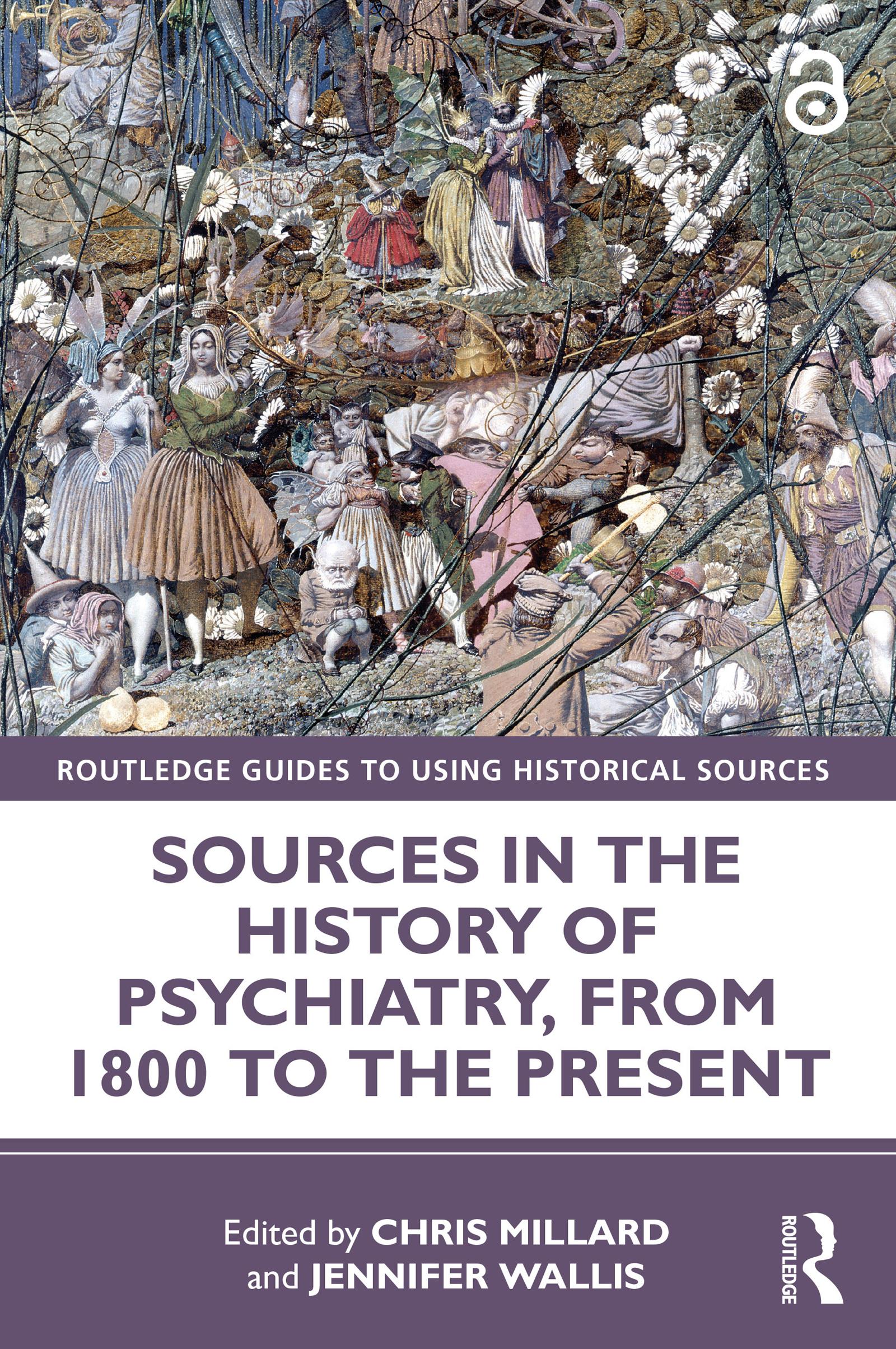
This book offers a general introduction to historical sources in the history of psychiatry, delving into the range of sources that can be used to investigate this dynamic and exciting field.
The chapters in this volume deal with physical sources that might be encountered in the archive, such as asylum casebooks, artwork, material artefacts, post-mortem records, more general types of source including medical journals, literature, public enquiries, and key themes within the field such as feminist sources, activist and survivor sources. Offering practical advice and examples for the novice, as well as insightful suggestions for the experienced scholar, the authors provide worked-through examples of how various source types can be used and exploited and reflect productively on the limits and constraints of different kinds of source material. In so doing it presents readers with a comprehensive guide on how to ‘read’ such sources to research and write the history of psychiatry.
Methodically rigorous, clear and accessible, this is a vital reference for students just starting out within the field through to more experienced scholars experimenting with new and unfamiliar sources in the history of medicine and history of psychiatry more specifically.
Chapters 4, 8, 9, 10, and 13 of this book are available for free in PDF format as Open Access from the individual product page at www.routledge.com. They have been made available under a Creative Commons Attribution-Non Commercial-No Derivatives 4.0 license.
Before Memmo my notes were scattered across PDFs. Now a workspace pulls everything into one place — I see exactly what's still left to study.
Memmo's summaries are gold before exams. I don't have to re-read 800 pages two weeks before — just the important parts.
The AI chat has saved me the night before an exam more than once. I just keep asking until I get it — no waiting on a study group to reply.
The quizzes hit exactly what I need to know. Memmo tracks what I get stuck on — so I only practice what's worth it.
Flashcards with spaced repetition are magic. Memmo knows when I'm about to forget something and brings it back.
The AI podcasts are my favorite. I listen on my way to school and get a recap without sitting at a computer.

Handbok i kvalitativa metoder
281 kr

Hållbar utveckling: en introduktion för ingenjörer och andra problemlösare
334 kr

Brymans Samhällsvetenskapliga metoder
390 kr

Projektledning
491 kr

Den orättvisa hälsan: om socioekonomiska skillnader i hälsa och livslängd
326 kr

Vetenskapsteori för nybörjare
196 kr

Organizational Leadership
429 kr

På väg mot läraryrket
172 kr

Det sociala livet i skolan: Socialpsykologiska perspektiv
253 kr

Betygsättningens didaktik
151 kr

Personality
402 kr

Studying Leadership
404 kr

Managing Innovation
477 kr

Introduktion till samhällsvetenskaplig metod
347 kr

The Psychology of Sex and Gender
698 kr

Evidens och kunskap för socialt arbete
207 kr

Introduction to Leadership
605 kr