
Before Memmo my notes were scattered across PDFs. Now a workspace pulls everything into one place — I see exactly what's still left to study.
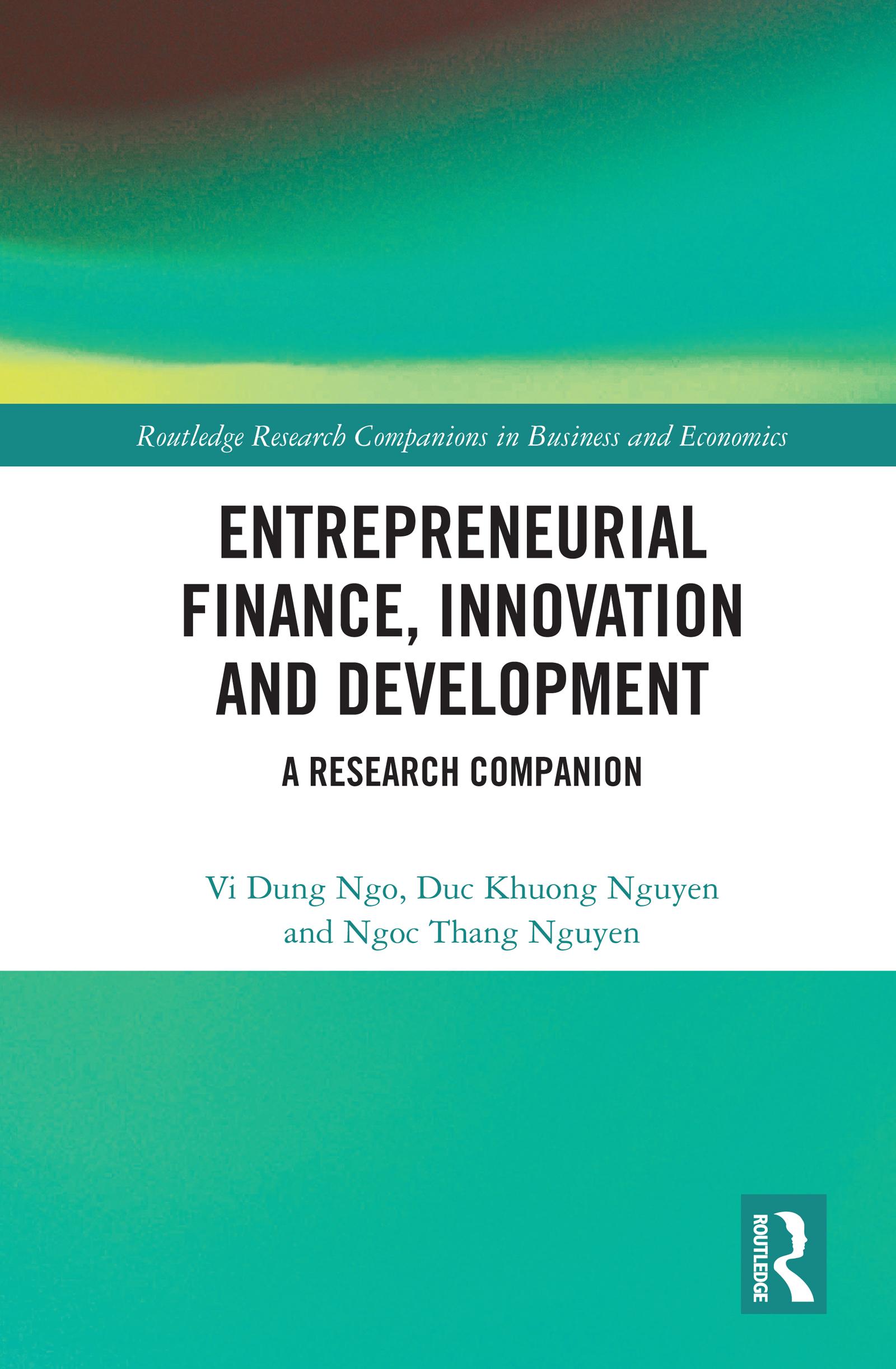
Entrepreneurship is now unanimously considered a major engine for socio-economic development, mainly because it creates jobs and innovation. Governments around the world pay special attention to removing entrepreneurial barriers in order to support development via different policies, especially entrepreneurial finance. Developing, emerging and transition economies (DETEs) significantly differ from industrialized countries because of their specific conditions: institutions, infrastructure facilities, and bureaucratic procedures within the administrative system. Thus, firms and their entrepreneurs in and from DETEs may behave differently, particularly in terms of their financial strategies. Therefore, contextualizing is critical to better understand the relationship between entrepreneurial finance, innovation, and development in DETEs.
This book provides a systematic and profound understanding of how finance, entrepreneurship, innovation, and their interactions contribute to economic development in DETEs, which cover a large number of countries in Asia, Central and Eastern Europe, Latin America, and Africa. The book mainly includes empirical studies and is divided into four parts. Part A includes four chapters which adopt a multinational approach to examine different sources and types of finance for entrepreneurship and small business in different groups of countries classified as DETEs. Part B also includes four chapters and focuses on entrepreneurial finance in specific countries belonging to the DETEs. Part C goes beyond the business scope of entrepreneurial finance and includes three chapters concerned with the relationship between finance, women's entrepreneurship, and poverty. Part D includes three chapters focusing on the comparison within developing countries as well as between developing and developed countries.
This essential and comprehensive resource will find an audience amongst academics, students, educators, and practitioners, as well as policymakers and regulators.
Before Memmo my notes were scattered across PDFs. Now a workspace pulls everything into one place — I see exactly what's still left to study.
Memmo's summaries are gold before exams. I don't have to re-read 800 pages two weeks before — just the important parts.
The AI chat has saved me the night before an exam more than once. I just keep asking until I get it — no waiting on a study group to reply.
The quizzes hit exactly what I need to know. Memmo tracks what I get stuck on — so I only practice what's worth it.
Flashcards with spaced repetition are magic. Memmo knows when I'm about to forget something and brings it back.
The AI podcasts are my favorite. I listen on my way to school and get a recap without sitting at a computer.

Handbok i kvalitativa metoder
281 kr

Hållbar utveckling: en introduktion för ingenjörer och andra problemlösare
334 kr

Brymans Samhällsvetenskapliga metoder
390 kr

Projektledning
491 kr

Den orättvisa hälsan: om socioekonomiska skillnader i hälsa och livslängd
326 kr

Organizational Leadership
429 kr

Vetenskapsteori för nybörjare
196 kr

På väg mot läraryrket
172 kr

Det sociala livet i skolan: Socialpsykologiska perspektiv
253 kr

Betygsättningens didaktik
151 kr

Personality
402 kr

Studying Leadership
404 kr

Managing Innovation
477 kr

Introduktion till samhällsvetenskaplig metod
347 kr

The Psychology of Sex and Gender
698 kr

Evidens och kunskap för socialt arbete
207 kr

Introduction to Leadership
605 kr