
Before Memmo my notes were scattered across PDFs. Now a workspace pulls everything into one place — I see exactly what's still left to study.
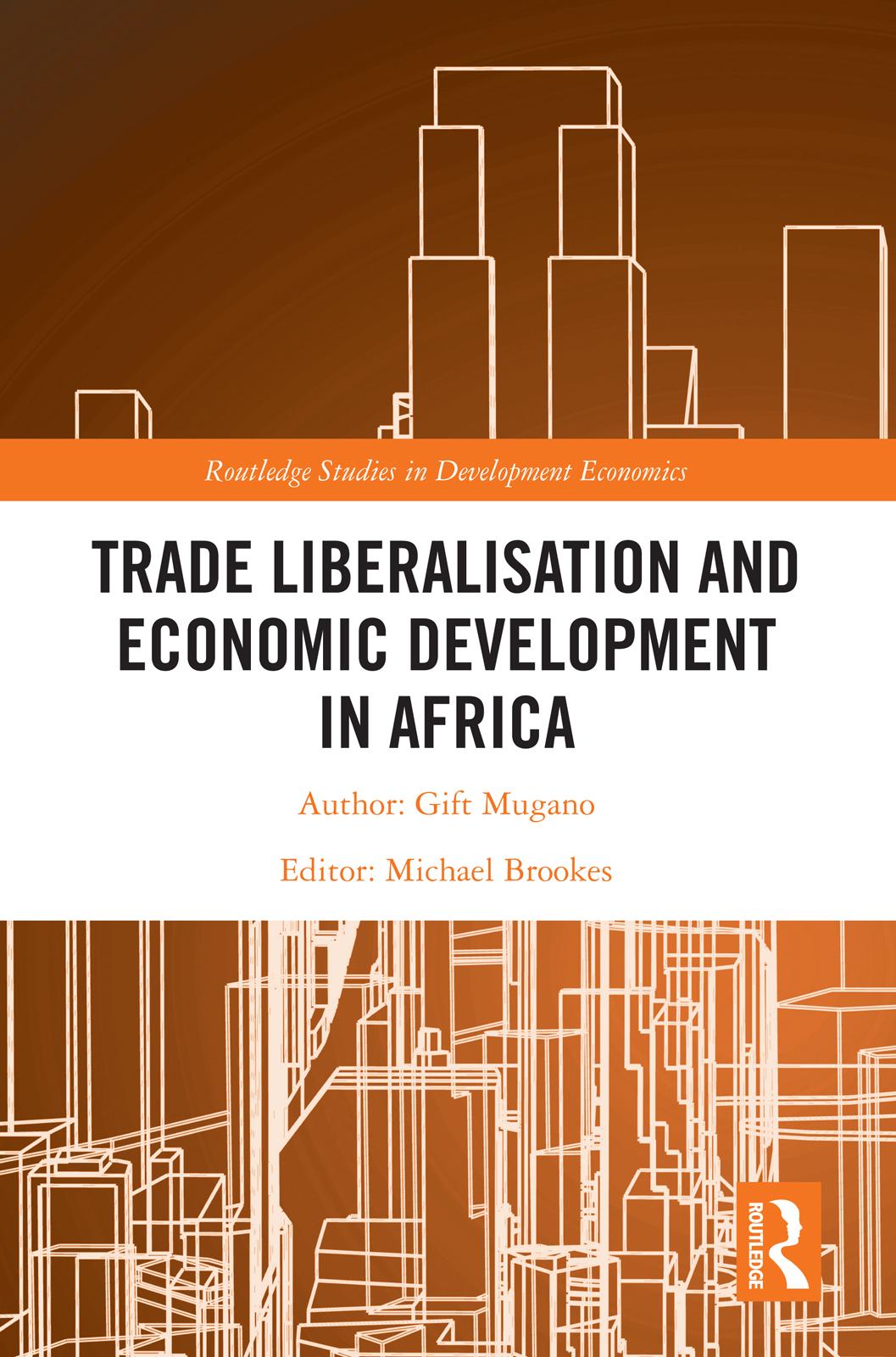
This book provides a thorough and rigorous discussion on the impact of trade liberalisation on economic development with a special focus on the African continent. The author presents the rationale for trade liberalisation, trade liberalisation frameworks, the trade liberalisation economic development nexus, impediments to trade, and contemporary issues of international trade.
In this book, notwithstanding the benefits from trade liberalisation, the author shows that African trade as a share of global trade has remained flat at 3% as in 1975, while the continent’s exports have remained raw materials and its intra-regional trade at less than 15% of total trade, which is the lowest in the world (UNCTAD, 2020). With respect to key economic development indicators such as economic growth, poverty levels, and employment levels, this book shows that, ironically and in direct contrast with the conventional views that trade liberalisation alleviates poverty, trade liberalisation in Africa has resulted in high levels of unemployment and low economic growth which ultimately lead to increased poverty. In addition, this book provides a detailed analysis of why trade liberalisation has failed to yield meaningful benefits to Africa. The binding constraints and blockages which prevent positive spin-offs on trade liberalisation in Africa are discussed in detail in this book.
In the same vein, the author provides practical strategies which must be adopted by African countries in order to gain from trade liberalisation, making this work a must-read for African governments, academia, trade experts, regional trading blocs, the World Trade Organization, and development partners. In view of this, and as part of the disruptive and structural transformation policies, the author discusses case studies and international experience contextualised to Africa as well as strategies for addressing the trade-related infrastructure gap, production capacities, export promotion, and aid for trade.
Before Memmo my notes were scattered across PDFs. Now a workspace pulls everything into one place — I see exactly what's still left to study.
Memmo's summaries are gold before exams. I don't have to re-read 800 pages two weeks before — just the important parts.
The AI chat has saved me the night before an exam more than once. I just keep asking until I get it — no waiting on a study group to reply.
The quizzes hit exactly what I need to know. Memmo tracks what I get stuck on — so I only practice what's worth it.
Flashcards with spaced repetition are magic. Memmo knows when I'm about to forget something and brings it back.
The AI podcasts are my favorite. I listen on my way to school and get a recap without sitting at a computer.

Handbok i kvalitativa metoder
281 kr

Hållbar utveckling: en introduktion för ingenjörer och andra problemlösare
334 kr

Brymans Samhällsvetenskapliga metoder
390 kr

Projektledning
491 kr

Den orättvisa hälsan: om socioekonomiska skillnader i hälsa och livslängd
326 kr

Vetenskapsteori för nybörjare
196 kr

Organizational Leadership
429 kr

På väg mot läraryrket
172 kr

Det sociala livet i skolan: Socialpsykologiska perspektiv
253 kr

Betygsättningens didaktik
151 kr

Personality
402 kr

Studying Leadership
404 kr

Managing Innovation
477 kr

Introduktion till samhällsvetenskaplig metod
347 kr

The Psychology of Sex and Gender
698 kr

Evidens och kunskap för socialt arbete
207 kr

Introduction to Leadership
605 kr