
Before Memmo my notes were scattered across PDFs. Now a workspace pulls everything into one place — I see exactly what's still left to study.
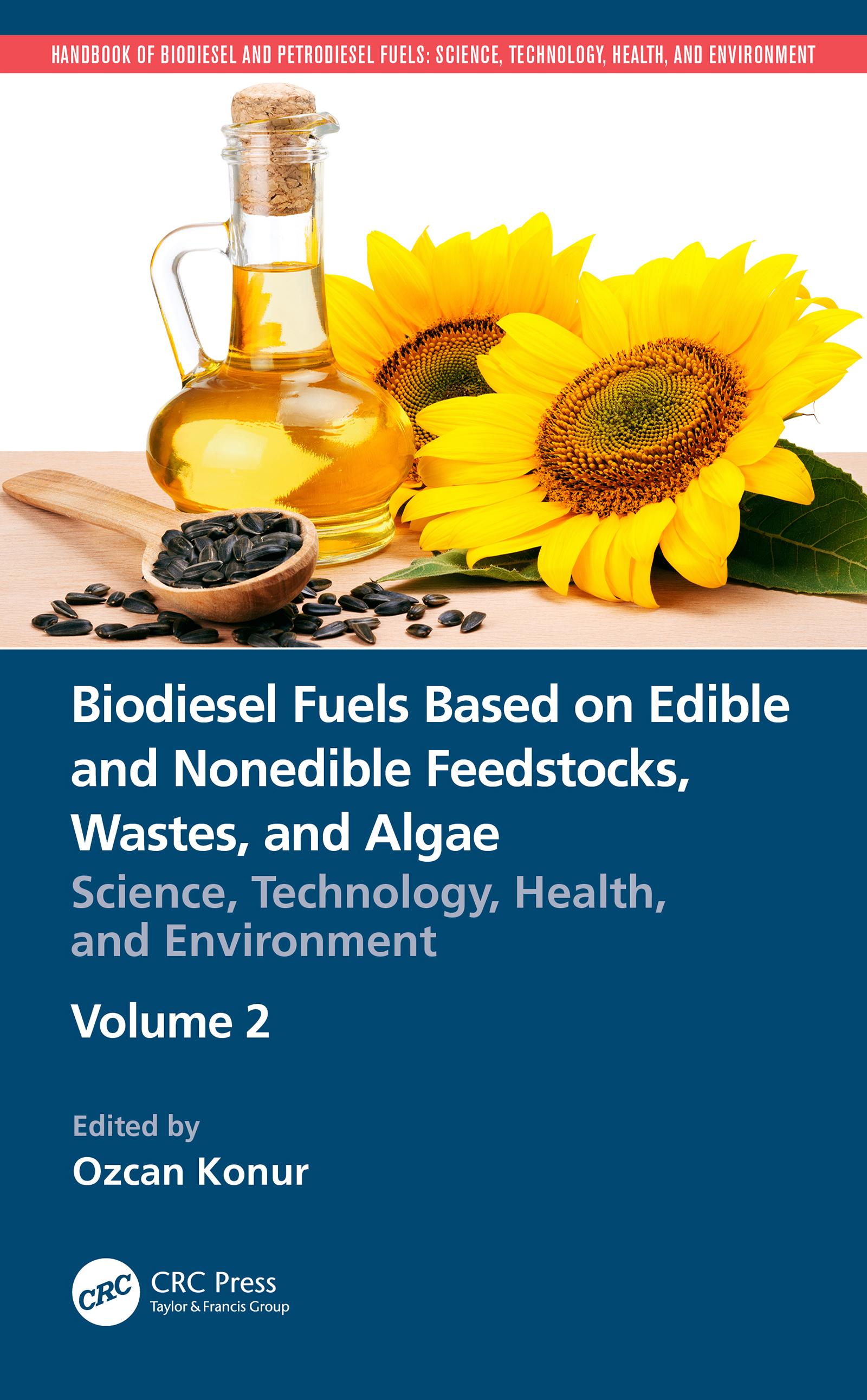
This second volume of the Handbook of Biodiesel and Petrodiesel Fuels presents a representative sample of the population papers in the field of feedstock-specific biodiesel fuels.
The research on feedstocks for biodiesel fuels has first focused on the edible oils as first-generation biodiesel fuels. However, the public concerns about the competition with foods based on these feedstocks and adverse impact on the ecological diversity and deforestation have resulted in the exploration of nonedible-oil-based biodiesel fuels as second-generation biodiesel fuels in the first instance.
Due to the ecological and cost benefits of treating wastes, waste oil-based biodiesel fuels as third-generation biodiesel fuels have emerged. Furthermore, following a series of influential review papers, the research has focused on the algal oil-based biodiesel fuels in recent years. Since the cost of feedstocks in general constitutes 85% of the total biodiesel production costs, the research focused more on improving biomass and lipid productivity in these research fields. Furthermore, since water, CO2, and nutrients (primarily N and P) have been major ingredients for the algal biomass and lipid production, the research has also intensified in the use of wastewaters and flue gases for algal biomass production to reduce the ecological burdens and the production costs.
Part 1 presents a representative sample of the population papers in the field of edible oil-based biodiesel fuels covering major research fronts. It covers soybean oil-based biodiesel fuels, palm oil-based biodiesel fuels, and rapeseed oil-based biodiesel fuels as case studies besides an overview paper.
Part 2 presents a representative sample of the population papers in the field of nonedible oil-based biodiesel fuels covering major research fronts. It covers Jatropha oil-based biodiesel fuels, polanga oil-based biodiesel fuels, and moringa oil-based biodiesel fuels as case studies besides an overview paper.
Part 3 presents a representative sample of the population papers in the field of waste oil-based biodiesel fuels covering major research fronts. It covers wastewater sludge-based biodiesel fuels, waste cooking oil-based biodiesel fuels, and microbial oil-based biodiesel fuels as case studies besides an overview paper.
Part 4 presents a representative sample of the population papers in the field of algal oil-based biodiesel fuels covering major research fronts. It covers algal biomass production in general, algal biomass production in wastewaters, algal lipid production, hydrothermal liquefaction of algal biomass, algal lipid extraction, and algal biodiesel production besides an overview paper.
This book will be useful to academics and professionals in the fields of Energy Fuels, Chemical Engineering, Physical Chemistry, Biotechnology and Applied Microbiology, Environmental Sciences, and Thermodynamics.
Ozcan Konur is both a materials scientist and social scientist by training. He has published around 200 journal papers, book chapters, and conference papers. He has focused on the bioenergy and biofuels in recent years. In 2018, he edited ‘Bioenergy and Biofuels’, that brought together the work of over 30 experts in their respective field. He also edited ‘Handbook of Algal Science, Technology, and Medicine’ with a strong section on the algal biofuels in 2020.
Before Memmo my notes were scattered across PDFs. Now a workspace pulls everything into one place — I see exactly what's still left to study.
Memmo's summaries are gold before exams. I don't have to re-read 800 pages two weeks before — just the important parts.
The AI chat has saved me the night before an exam more than once. I just keep asking until I get it — no waiting on a study group to reply.
The quizzes hit exactly what I need to know. Memmo tracks what I get stuck on — so I only practice what's worth it.
Flashcards with spaced repetition are magic. Memmo knows when I'm about to forget something and brings it back.
The AI podcasts are my favorite. I listen on my way to school and get a recap without sitting at a computer.

Handbok i kvalitativa metoder
281 kr

Hållbar utveckling: en introduktion för ingenjörer och andra problemlösare
334 kr

Brymans Samhällsvetenskapliga metoder
390 kr

Projektledning
491 kr

Den orättvisa hälsan: om socioekonomiska skillnader i hälsa och livslängd
326 kr

Vetenskapsteori för nybörjare
196 kr

Organizational Leadership
429 kr

På väg mot läraryrket
172 kr

Det sociala livet i skolan: Socialpsykologiska perspektiv
253 kr

Betygsättningens didaktik
151 kr

Personality
402 kr

Studying Leadership
404 kr

Managing Innovation
477 kr

Introduktion till samhällsvetenskaplig metod
347 kr

The Psychology of Sex and Gender
698 kr

Evidens och kunskap för socialt arbete
207 kr

Introduction to Leadership
605 kr