
Before Memmo my notes were scattered across PDFs. Now a workspace pulls everything into one place — I see exactly what's still left to study.
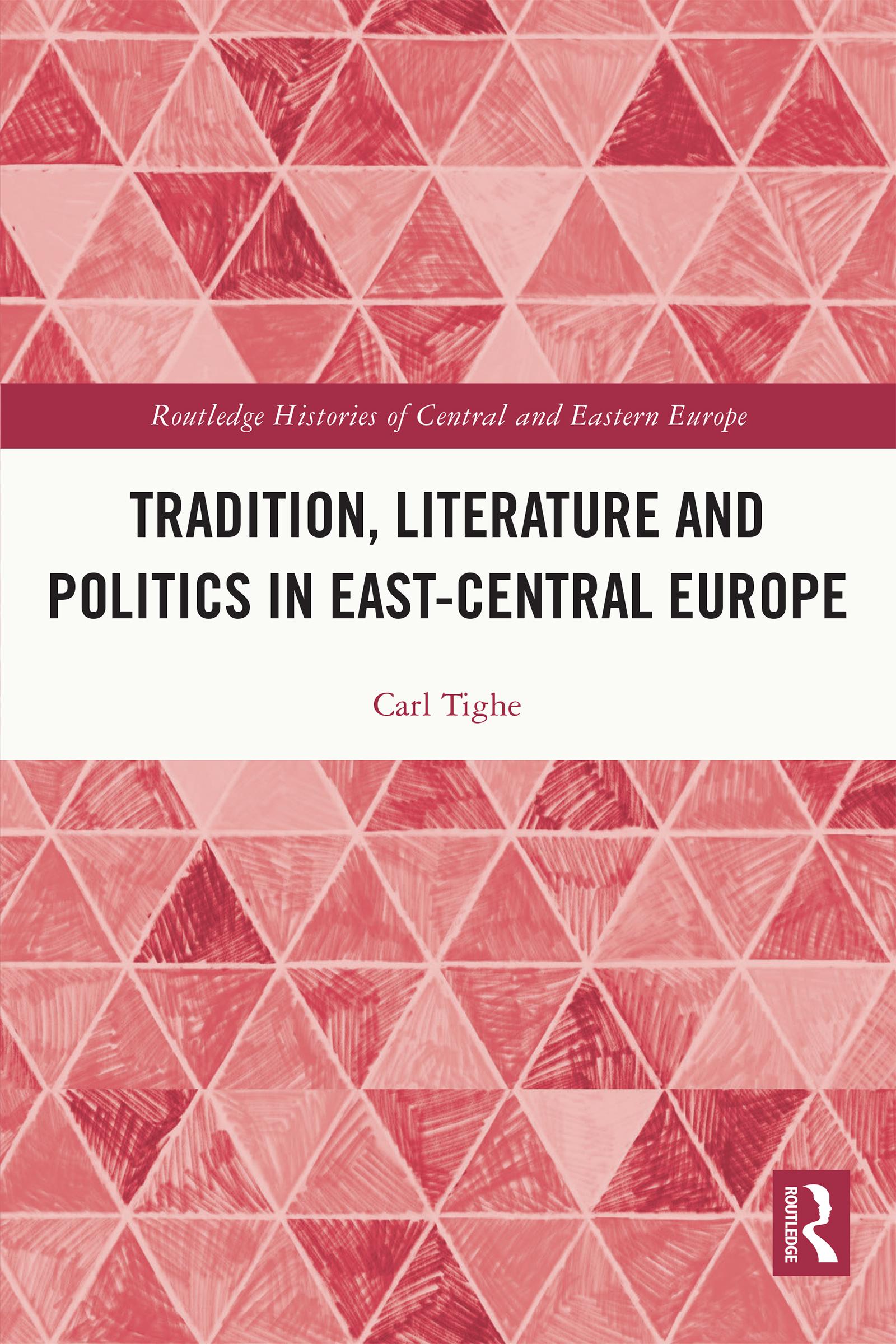
Milan Kundera warned that in in the states of East-Central Europe, attitudes to the west and the idea of ‘Europe’ were complex and could even be hostile. But few could have imagined how the collapse of communism and membership of the EU would confront these countries with a life that was suddenly and disconcertingly ‘modern’ and which challenged sustaining traditions in literature, culture, politics and established views on identity.
Since the countries of East-Central Europe joined the European Union in 2004 the politicians and oppositionists of the centre-left, who once led the charge against communism, have often been forced to give way to right-wing, authoritarian, populist governments. These governments, while keen to accept EU finance, have been determined to present themselves as protecting their traditional ethno-national inheritance, resisting ‘foreign interference’, stemming the ‘gay invasion’, halting ‘Islamic replacement’ and reversing women’s rights. They have blamed Communists, liberals, foreigners, Jews and Gypsies, revised abortion laws, tampered with their constitutions to control the Justice system and taken over the media to an astonishing degree. By 2019, amid calls for the suspension of their voting rights, both Poland and Hungary had been taken to the European Court of Justice and the European Parliament and had begun to explore ways to put conditions on future EU funding.
This book focuses on the interface between tradition, literature and politics in east-central Europe, focusing mainly on Poland but also Hungary and the Czech Republic. It explores literary tradition and the role of writers to ask why these left-liberals, who were once ubiquitous in the struggles with communism, are now marginalised, often reviled and almost entirely absent from political debate. It asks, in what ways the advent of capitalism ‘normalised’ literature and what the consequences might be? It asks whether the rise of chauvinism is ‘normal’ in this part of the world and whether the literary traditions that helped sustain independent political thought through the communist years now, instead of supporting literature, feed nationalist opinion and negative attitudes to the idea of ‘Europe’.
Before Memmo my notes were scattered across PDFs. Now a workspace pulls everything into one place — I see exactly what's still left to study.
Memmo's summaries are gold before exams. I don't have to re-read 800 pages two weeks before — just the important parts.
The AI chat has saved me the night before an exam more than once. I just keep asking until I get it — no waiting on a study group to reply.
The quizzes hit exactly what I need to know. Memmo tracks what I get stuck on — so I only practice what's worth it.
Flashcards with spaced repetition are magic. Memmo knows when I'm about to forget something and brings it back.
The AI podcasts are my favorite. I listen on my way to school and get a recap without sitting at a computer.

Handbok i kvalitativa metoder
281 kr

Hållbar utveckling: en introduktion för ingenjörer och andra problemlösare
334 kr

Brymans Samhällsvetenskapliga metoder
390 kr

Projektledning
491 kr

Den orättvisa hälsan: om socioekonomiska skillnader i hälsa och livslängd
326 kr

Vetenskapsteori för nybörjare
196 kr

Organizational Leadership
429 kr

På väg mot läraryrket
172 kr

Det sociala livet i skolan: Socialpsykologiska perspektiv
253 kr

Betygsättningens didaktik
151 kr

Personality
402 kr

Studying Leadership
404 kr

Managing Innovation
477 kr

Introduktion till samhällsvetenskaplig metod
347 kr

The Psychology of Sex and Gender
698 kr

Evidens och kunskap för socialt arbete
207 kr

Introduction to Leadership
605 kr