
Before Memmo my notes were scattered across PDFs. Now a workspace pulls everything into one place — I see exactly what's still left to study.
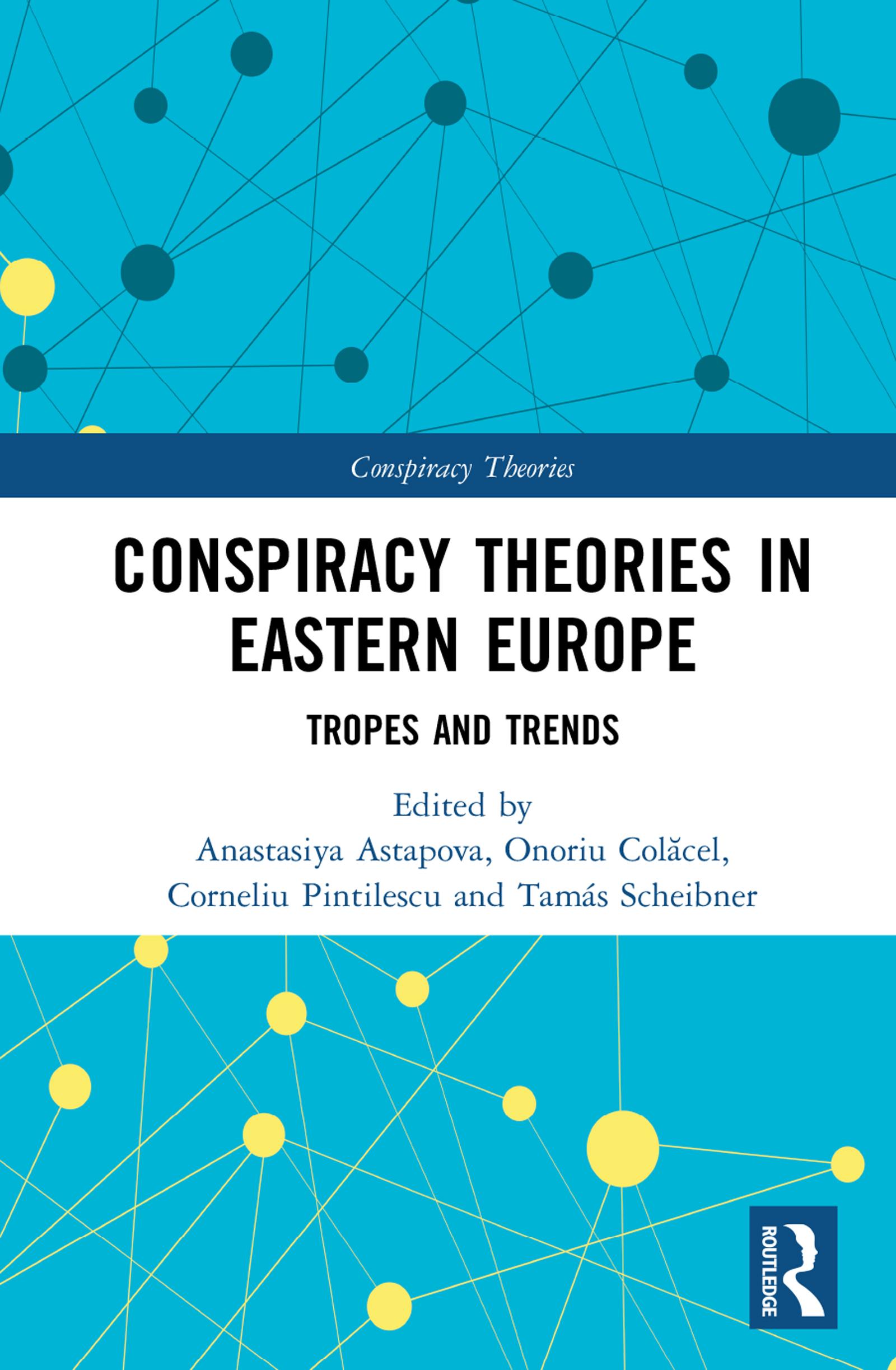
This collection of state-of-the-art essays explores conspiracy cultures in post-socialist Eastern Europe, ranging from the nineteenth century to contemporary manifestations.
Conspiracy theories about Freemasons, Communists and Jews, about the Chernobyl disaster, and about George Soros and the globalist elite have been particularly influential in Eastern Europe, but they have also been among the most prominent worldwide. This volume explores such conspiracy theories in the context of local Eastern European histories and discourses. The chapters identify four major factors that have influenced cultures of conspiracy in Eastern Europe: nationalism (including ethnocentrism and antisemitism), the socialist past, the transition period, and globalization. The research focuses on the impact of imperial legacies, nation-building, and the Cold War in the creation of conspiracy theories in Eastern Europe; the effects of the fall of the Iron Curtain and conspiracism in a new democratic setting; and manifestations of viral conspiracy theories in contemporary Eastern Europe and their worldwide circulation with the global rise of populism. Bringing together a diverse landscape of Eastern European conspiracism that is a result of repeated exchange with the "West," the book includes case studies that examine the history, legacy, and impact of conspiracy cultures of Bulgaria, Estonia, Hungary, Moldova, Poland, Romania, Russia, Slovakia, Ukraine, the former Yugoslav countries, and the former Soviet Union.
The book will appeal to scholars and students of conspiracy theories, as well as those in the areas of political science, area studies, media studies, cultural studies, psychology, philosophy, and history, among others. Politicians, educators, and journalists will find this book a useful resource in countering disinformation in and about the region.
Before Memmo my notes were scattered across PDFs. Now a workspace pulls everything into one place — I see exactly what's still left to study.
Memmo's summaries are gold before exams. I don't have to re-read 800 pages two weeks before — just the important parts.
The AI chat has saved me the night before an exam more than once. I just keep asking until I get it — no waiting on a study group to reply.
The quizzes hit exactly what I need to know. Memmo tracks what I get stuck on — so I only practice what's worth it.
Flashcards with spaced repetition are magic. Memmo knows when I'm about to forget something and brings it back.
The AI podcasts are my favorite. I listen on my way to school and get a recap without sitting at a computer.

Handbok i kvalitativa metoder
281 kr

Hållbar utveckling: en introduktion för ingenjörer och andra problemlösare
334 kr

Brymans Samhällsvetenskapliga metoder
390 kr

Projektledning
491 kr

Den orättvisa hälsan: om socioekonomiska skillnader i hälsa och livslängd
326 kr

Organizational Leadership
429 kr

Vetenskapsteori för nybörjare
196 kr

På väg mot läraryrket
172 kr

Det sociala livet i skolan: Socialpsykologiska perspektiv
253 kr

Betygsättningens didaktik
151 kr

Personality
402 kr

Studying Leadership
404 kr

Managing Innovation
477 kr

Introduktion till samhällsvetenskaplig metod
347 kr

The Psychology of Sex and Gender
698 kr

Evidens och kunskap för socialt arbete
207 kr

Introduction to Leadership
605 kr