
Before Memmo my notes were scattered across PDFs. Now a workspace pulls everything into one place — I see exactly what's still left to study.
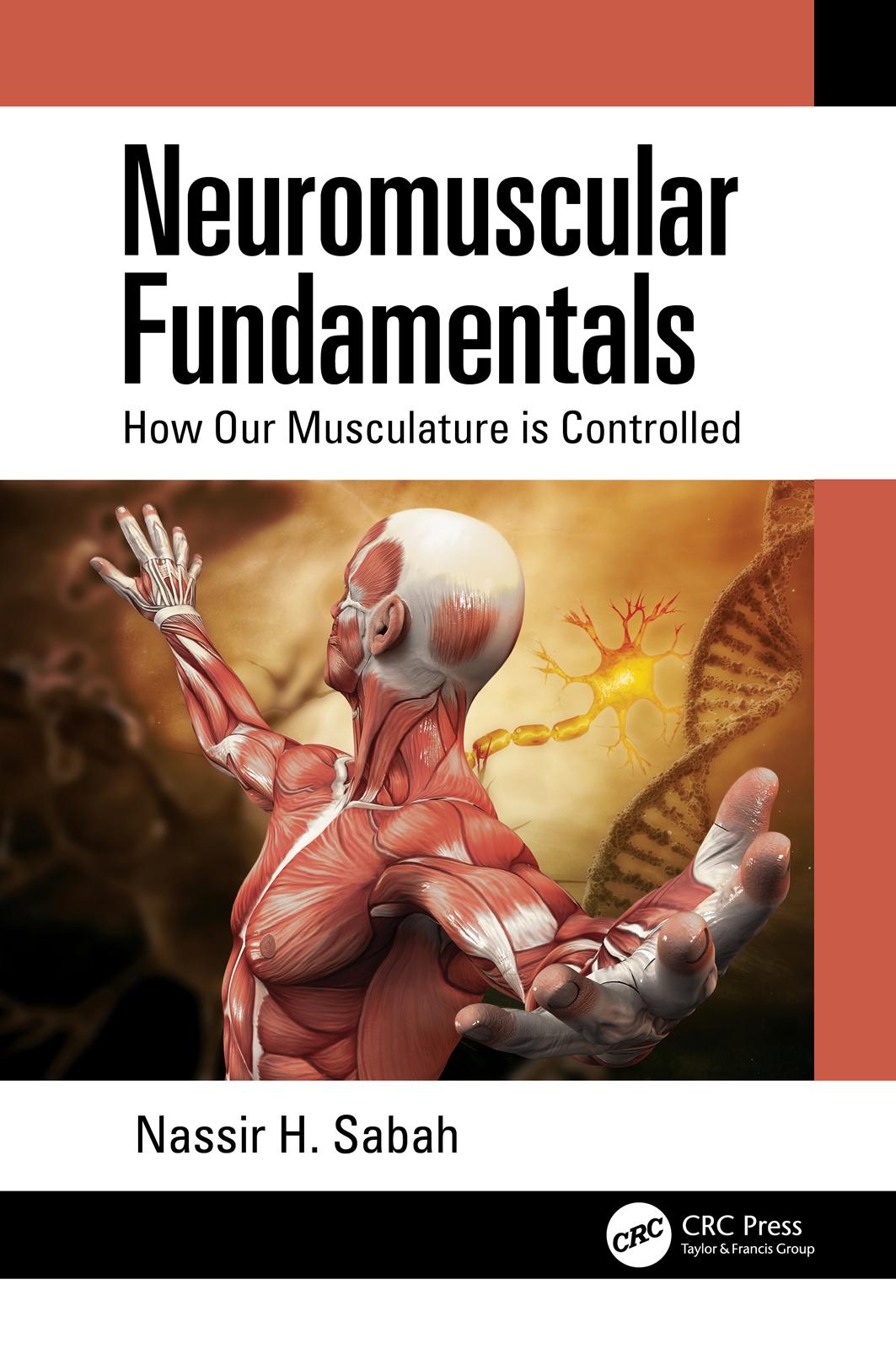
This book is rather unique in its approach and coverage. The approach is essentially that of an engineering textbook, emphasizing the quantitative aspects and highlighting the fundamentals and basic concepts involved. The coverage progresses in a logical and systematic manner from the subcellular, starting with the electrophysiology of the cell membrane, then proceeding to synapses, neurons, and muscle, before considering neuronal motor ensembles and the neuromuscular system as a whole. Simple, clear, and comprehensive explanations are given throughout. After an introductory chapter on some background material in biology, biophysics, and chemical kinetics, a substantial part of the book (Chapters 2-8) necessarily covers in considerable detail the basic components and processes that underlie the electrical and associated activities of the nervous system. The remaining chapters of the book (Chapters 9-13) focus on the neuromuscular system, starting with the structure of muscle cells, the generation of force by muscular contraction, and muscle receptors. The last chapter examines aspects of the control of movement, motor learning and memory, the maintenance of posture, and locomotion, and critically examines some of the theories that have been advanced to explain how movement is controlled. The book is intended for undergraduate or graduate students in the natural sciences, mathematics, or engineering who seek a deeper understanding of the fundamentals of neuroscience and the somatomotor system, in accordance with the aforementioned objectives. The book can serve as a textbook for a one-semester course on the neuromuscular system or as a reference in a more general course on neuroscience.
Nassir Sabah is professor of biomedical engineering in the electrical and computer engineering department at the American University of Beirut, Lebanon. He received his B.Sc. (Hons. Class I) and his M.Sc. in electrical engineering from the University of Birmingham, U.K., and his Ph.D. in biophysical sciences from the State University of New York (SUNY/Buffalo). He has served as Chairman of the Electrical Engineering Department, Director of the Institute of Computer Studies, and Dean of the Faculty of Engineering and Architecture at the American University of Beirut. In these capacities, he was responsible for the development of programs, curricula, and courses in electrical, biomedical, communications, and computer engineering.
Professor Sabah has extensive professional experience in the fields of electrical engineering, electronics, and computer systems, with more than 35 years’ teaching experience in neuroengineering, biomedical engineering, electronics, and electric circuits. He has over 100 technical publications, mainly in neurophysiology, biophysics, and biomedical instrumentation.
He has served on numerous committees and panels in Lebanon and the region. He is a Fellow of the Institution of Engineering and Technology (IET, U.K.), a member of the American Association for the Advancement of Science (AAAS), and a member of the American Society for Engineering Education (ASEE).
Before Memmo my notes were scattered across PDFs. Now a workspace pulls everything into one place — I see exactly what's still left to study.
Memmo's summaries are gold before exams. I don't have to re-read 800 pages two weeks before — just the important parts.
The AI chat has saved me the night before an exam more than once. I just keep asking until I get it — no waiting on a study group to reply.
The quizzes hit exactly what I need to know. Memmo tracks what I get stuck on — so I only practice what's worth it.
Flashcards with spaced repetition are magic. Memmo knows when I'm about to forget something and brings it back.
The AI podcasts are my favorite. I listen on my way to school and get a recap without sitting at a computer.

Handbok i kvalitativa metoder
281 kr

Hållbar utveckling: en introduktion för ingenjörer och andra problemlösare
334 kr

Brymans Samhällsvetenskapliga metoder
390 kr

Projektledning
491 kr

Den orättvisa hälsan: om socioekonomiska skillnader i hälsa och livslängd
326 kr

Vetenskapsteori för nybörjare
196 kr

Organizational Leadership
429 kr

På väg mot läraryrket
172 kr

Det sociala livet i skolan: Socialpsykologiska perspektiv
253 kr

Betygsättningens didaktik
151 kr

Personality
402 kr

Studying Leadership
404 kr

Managing Innovation
477 kr

Introduktion till samhällsvetenskaplig metod
347 kr

The Psychology of Sex and Gender
698 kr

Evidens och kunskap för socialt arbete
207 kr

Introduction to Leadership
605 kr