
Before Memmo my notes were scattered across PDFs. Now a workspace pulls everything into one place — I see exactly what's still left to study.
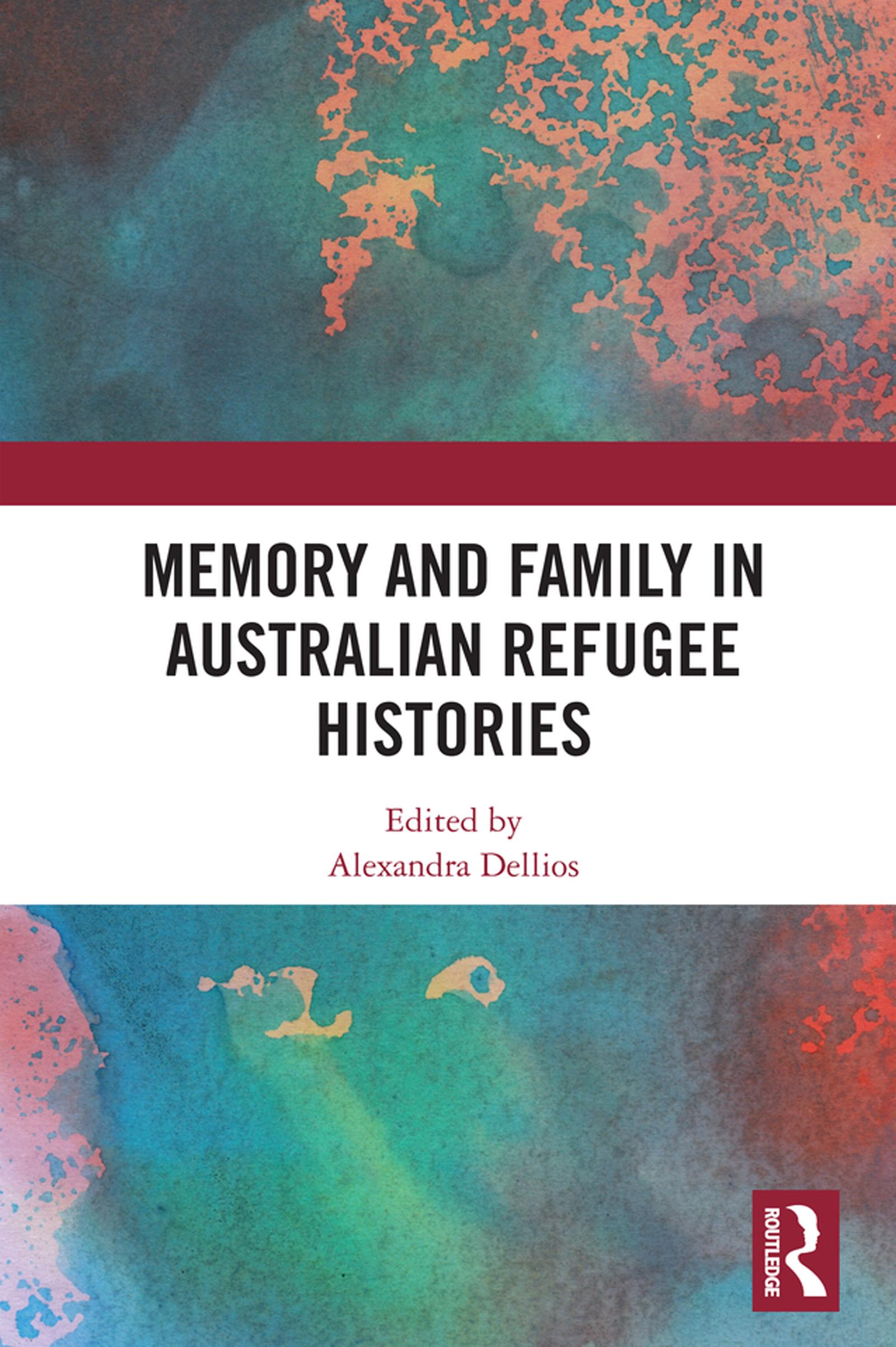
This book revisits Australian histories of refugee arrivals and settlement – with a particular focus on family and family life. It brings together new empirical research, and methodologies in memory and oral history, to offer multilayered histories of people seeking refuge in the 20th century.
Engaging with histories of refugees and ‘family’, and how these histories intersect with aspects of memory studies — including oral history, public storytelling, family history, and museum exhibitions and objects — the book moves away from a focus on individual adults and towards multilayered and rich histories of groups with a variety of intersectional affiliations. The contributions consider the conflicting layers of meaning built up around racialised and de-racialised refugee groups throughout the 20th century, and their relationship to structural inequalities, their shifting socio-economic positions, and the changing racial and religious categories of inclusion and exclusion employed by dominant institutions. As the contributors to this book suggest, ‘family’ functions as a means to revisit or research histories of mobility and refuge. This focus on ‘family’ illuminates intimate aspects of a history and the emotions it contains and enables – complicating the passive victim stereotype often applied to refugees.
As interest in refugee ‘integration’ continues to rise as a result of increasingly vociferous identity politics and rising right-wing rhetoric, this book offers readers new insights into the intersections between family and memory, and the potential avenues this might open up for considering refugee studies in a more intimate way. This book was originally published as a special issue of Immigrants & Minorities.
Before Memmo my notes were scattered across PDFs. Now a workspace pulls everything into one place — I see exactly what's still left to study.
Memmo's summaries are gold before exams. I don't have to re-read 800 pages two weeks before — just the important parts.
The AI chat has saved me the night before an exam more than once. I just keep asking until I get it — no waiting on a study group to reply.
The quizzes hit exactly what I need to know. Memmo tracks what I get stuck on — so I only practice what's worth it.
Flashcards with spaced repetition are magic. Memmo knows when I'm about to forget something and brings it back.
The AI podcasts are my favorite. I listen on my way to school and get a recap without sitting at a computer.

Handbok i kvalitativa metoder
281 kr

Hållbar utveckling: en introduktion för ingenjörer och andra problemlösare
334 kr

Brymans Samhällsvetenskapliga metoder
390 kr

Projektledning
491 kr

Den orättvisa hälsan: om socioekonomiska skillnader i hälsa och livslängd
326 kr

Vetenskapsteori för nybörjare
196 kr

Organizational Leadership
429 kr

På väg mot läraryrket
172 kr

Det sociala livet i skolan: Socialpsykologiska perspektiv
253 kr

Betygsättningens didaktik
151 kr

Personality
402 kr

Studying Leadership
404 kr

Managing Innovation
477 kr

Introduktion till samhällsvetenskaplig metod
347 kr

The Psychology of Sex and Gender
698 kr

Evidens och kunskap för socialt arbete
207 kr

Introduction to Leadership
605 kr