
Before Memmo my notes were scattered across PDFs. Now a workspace pulls everything into one place — I see exactly what's still left to study.
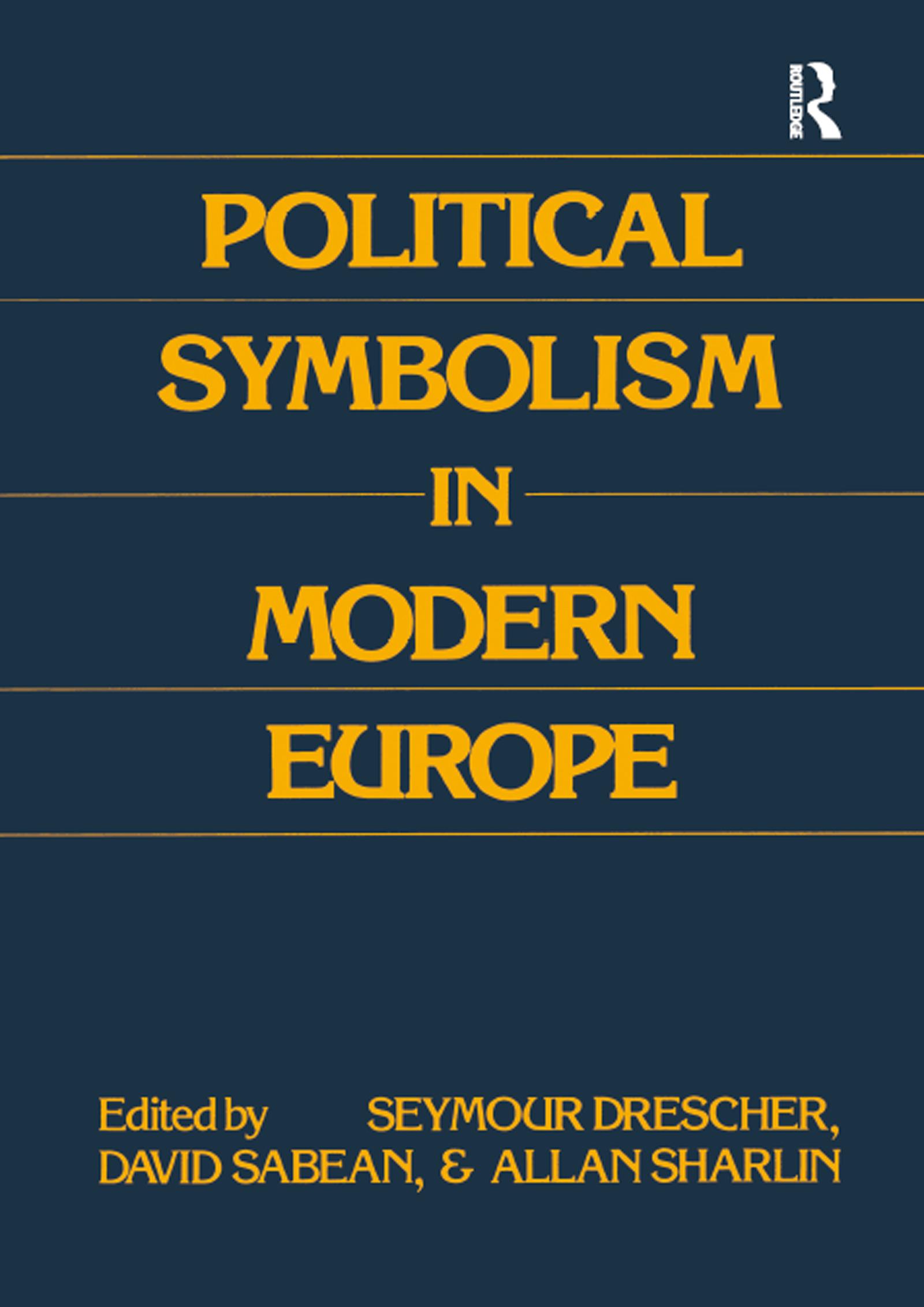
By collectively concentrating on the theme of political symbolism in modern Europe, the contributors to this volume have chosen to honor a revered teacher and colleague by developing a set of variations on one of his primary scholarly concerns. The essays deal with familiar domains in the history of European culture: religion, science, philosophy, theater, popular culture, and social ideologies. They attempt to focus on their individual subjects as studies of the ways in which the terms of cultural discourse have been shaped and elaborated by social position and the inherently political nature of such discourse. The essays also trace attempts to capture assent or compliance to particular world views which have had profound cultural and political consequences. Many es-says deal with the vocabularies of strategically located elites con-sciously or unconsciously shap-ing discourse to enhance their role in the Eruopean social hierar-chy. Others turn to the problem of the dynamics of symbolic recep-tion and reception by popular au-diences. A third group of thematic essays deals with case studies of world views dominated by political metaphors of group identityand differentiation which became dominant in Western Europe to-ward the end of the nineteenth century—class, nation, sex, age, and race.
The essays in the volume deal with: George Mosse and political symbolism; the medical model of cultural crisis in fin de siecle France; cultural uses of "fatigue" in the nineteenth century; Mar-burg neo-Kantian thought and German popular culture; the Ostjude as a cultural symbol in German anti-Semitism; the func-tion of myth and symbol in Georges Sorel; feminism and eugenics in Edwardian England; Darwinism and the working class in Germany; science and religion in early modern Europe; popular theater and socialism in fin de siecle France; political symbolism in the paintings of the German war of liberation; generational discourse in pre-World War I France; and cultural implications of national-socialist religion.
Before Memmo my notes were scattered across PDFs. Now a workspace pulls everything into one place — I see exactly what's still left to study.
Memmo's summaries are gold before exams. I don't have to re-read 800 pages two weeks before — just the important parts.
The AI chat has saved me the night before an exam more than once. I just keep asking until I get it — no waiting on a study group to reply.
The quizzes hit exactly what I need to know. Memmo tracks what I get stuck on — so I only practice what's worth it.
Flashcards with spaced repetition are magic. Memmo knows when I'm about to forget something and brings it back.
The AI podcasts are my favorite. I listen on my way to school and get a recap without sitting at a computer.

Handbok i kvalitativa metoder
281 kr

Hållbar utveckling: en introduktion för ingenjörer och andra problemlösare
334 kr

Brymans Samhällsvetenskapliga metoder
390 kr

Projektledning
491 kr

Den orättvisa hälsan: om socioekonomiska skillnader i hälsa och livslängd
326 kr

Vetenskapsteori för nybörjare
196 kr

Organizational Leadership
429 kr

På väg mot läraryrket
172 kr

Det sociala livet i skolan: Socialpsykologiska perspektiv
253 kr

Betygsättningens didaktik
151 kr

Personality
402 kr

Studying Leadership
404 kr

Managing Innovation
449 kr

Introduktion till samhällsvetenskaplig metod
347 kr

The Psychology of Sex and Gender
698 kr

Evidens och kunskap för socialt arbete
207 kr

Introduction to Leadership
605 kr