
Before Memmo my notes were scattered across PDFs. Now a workspace pulls everything into one place — I see exactly what's still left to study.
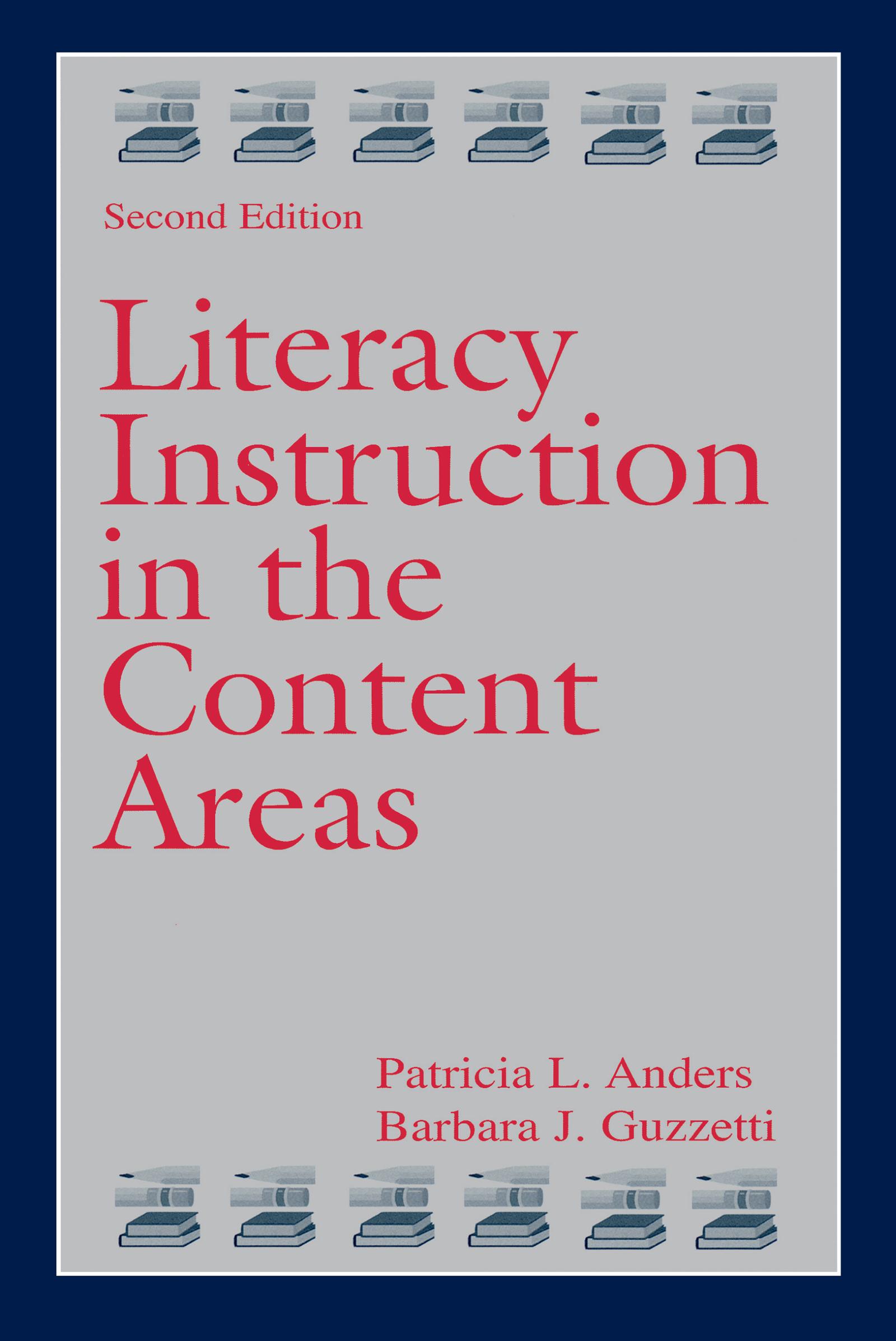
Like its predecessor, Literacy Instruction in the Content Areas, Second Edition is written for undergraduate, graduate, and in-service teachers who want to integrate literacy processes into their content area instruction. In addition to extensive updating of earlier material, this new edition extends its coverage to include new chapters on adolescents' out-of-school literacy experiences and their in-school preferences, digital resources for content learning, and considerations for the reading specialist. In doing so, however, the authors have tried to maintain the brevity, stylistic clarity, and classroom focus of the earlier volume.
Key features of this important new book include:
*Teaching Flexibility. Although written with the needs of pre-service teachers in mind, theory and research are treated in sufficient depth to make the book suitable for graduate courses and for teacher study groups. It is also appropriate for secondary reading specialists or literacy coaches responsible for establishing or maintaining a school-wide literacy program.
*Changes in New Edition. All chapters have been reorganized and most of the text rewritten. In addition, new chapters not usually included in content area reading texts were added. These cover: 1) adolescents' out-of-school literacy experiences and in-school preferences; 2) digital resources for content learning; and 3) considerations for the reading specialist.
*Socio-Cultural Perspective. Like other volumes in the Literacy Teaching Series, the perspective of this one is socio-cultural and constructivist. It recognizes that classroom teaching and learning are closely intertwined with surrounding school and community cultures as well as the culture and language of the subject being studied. Likewise, literacy is not simply a matter of reading and writing but involves using multiple literacies to negotiate and construct meaning.
*Practical Orientation. Although supporting theory and research are included in all chapters, instructional strategies with illustrative examples from practicing teachers are included in most chapters. Each chapter concludes with "Application Activities" and "From Our Professional Library" references.
Before Memmo my notes were scattered across PDFs. Now a workspace pulls everything into one place — I see exactly what's still left to study.
Memmo's summaries are gold before exams. I don't have to re-read 800 pages two weeks before — just the important parts.
The AI chat has saved me the night before an exam more than once. I just keep asking until I get it — no waiting on a study group to reply.
The quizzes hit exactly what I need to know. Memmo tracks what I get stuck on — so I only practice what's worth it.
Flashcards with spaced repetition are magic. Memmo knows when I'm about to forget something and brings it back.
The AI podcasts are my favorite. I listen on my way to school and get a recap without sitting at a computer.

Handbok i kvalitativa metoder
281 kr

Hållbar utveckling: en introduktion för ingenjörer och andra problemlösare
334 kr

Brymans Samhällsvetenskapliga metoder
390 kr

Projektledning
491 kr

Den orättvisa hälsan: om socioekonomiska skillnader i hälsa och livslängd
326 kr

Vetenskapsteori för nybörjare
196 kr

Organizational Leadership
429 kr

På väg mot läraryrket
172 kr

Det sociala livet i skolan: Socialpsykologiska perspektiv
253 kr

Betygsättningens didaktik
151 kr

Personality
402 kr

Studying Leadership
404 kr

Managing Innovation
477 kr

Introduktion till samhällsvetenskaplig metod
347 kr

The Psychology of Sex and Gender
698 kr

Evidens och kunskap för socialt arbete
207 kr

Introduction to Leadership
605 kr