
Before Memmo my notes were scattered across PDFs. Now a workspace pulls everything into one place — I see exactly what's still left to study.
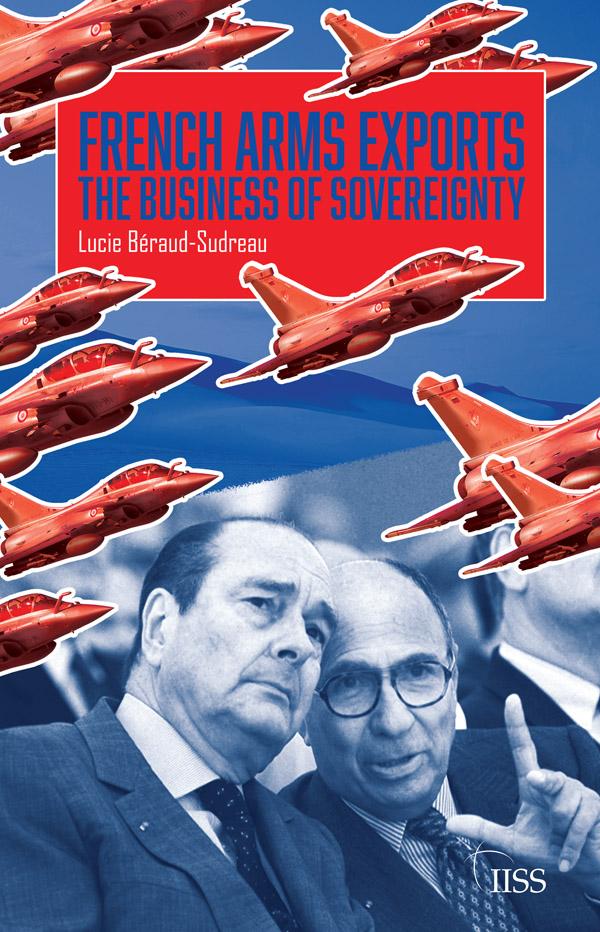
From De Gaulle onwards, France’s strategic independence has been predicated on self-sufficiency in modern weapons. To achieve and maintain the requisite defence-industrial base, in the context of limited domestic orders, Paris sought to promote the export of its arms. During the Cold War, this underpinned but was also an expression of France’s determination to resist bipolar domination. France offered customers around the world an alternative to reliance on one superpower or the other; and in doing so it generated the revenue to support an extensive domestic arms industry. The end of the Cold War ushered in fundamental changes, however: Western defence spending shrank and the global market was turned upside down. While France’s arms-export policy was less affected by human-rights concerns than other democracies, it was not immune to pressures stemming from the consolidation of Europe’s defence-industrial base and the increased interest of the EU in regulating the arms trade.
This Adelphi book considers how France has responded to changing political and market circumstances in the way that it promotes and controls the export of weapons. It examines the rationale for considering a liberal arms-export policy as essential to French independence, and the institutional arrangements that underpinned this. It tracks the dramatic changes in the global arms market since 1990, in terms of demand and market competition, and charts the response of the French government to these changes. The book underlines how the French machinery of government, as a directing force behind the defence industry, has been resistant to the notion of export restraint – even in the case of sales to authoritarian regimes. However, it argues that France now faces a dilemma over whether to continue with a long-successful course, or to moderate its independence through greater collaboration to bolster European integration and better compete globally.
Before Memmo my notes were scattered across PDFs. Now a workspace pulls everything into one place — I see exactly what's still left to study.
Memmo's summaries are gold before exams. I don't have to re-read 800 pages two weeks before — just the important parts.
The AI chat has saved me the night before an exam more than once. I just keep asking until I get it — no waiting on a study group to reply.
The quizzes hit exactly what I need to know. Memmo tracks what I get stuck on — so I only practice what's worth it.
Flashcards with spaced repetition are magic. Memmo knows when I'm about to forget something and brings it back.
The AI podcasts are my favorite. I listen on my way to school and get a recap without sitting at a computer.

Handbok i kvalitativa metoder
281 kr

Hållbar utveckling: en introduktion för ingenjörer och andra problemlösare
334 kr

Brymans Samhällsvetenskapliga metoder
390 kr

Projektledning
491 kr

Den orättvisa hälsan: om socioekonomiska skillnader i hälsa och livslängd
326 kr

Organizational Leadership
429 kr

Vetenskapsteori för nybörjare
196 kr

På väg mot läraryrket
172 kr

Det sociala livet i skolan: Socialpsykologiska perspektiv
253 kr

Betygsättningens didaktik
151 kr

Personality
402 kr

Studying Leadership
404 kr

Managing Innovation
477 kr

Introduktion till samhällsvetenskaplig metod
347 kr

The Psychology of Sex and Gender
698 kr

Evidens och kunskap för socialt arbete
207 kr

Introduction to Leadership
605 kr