
Before Memmo my notes were scattered across PDFs. Now a workspace pulls everything into one place — I see exactly what's still left to study.
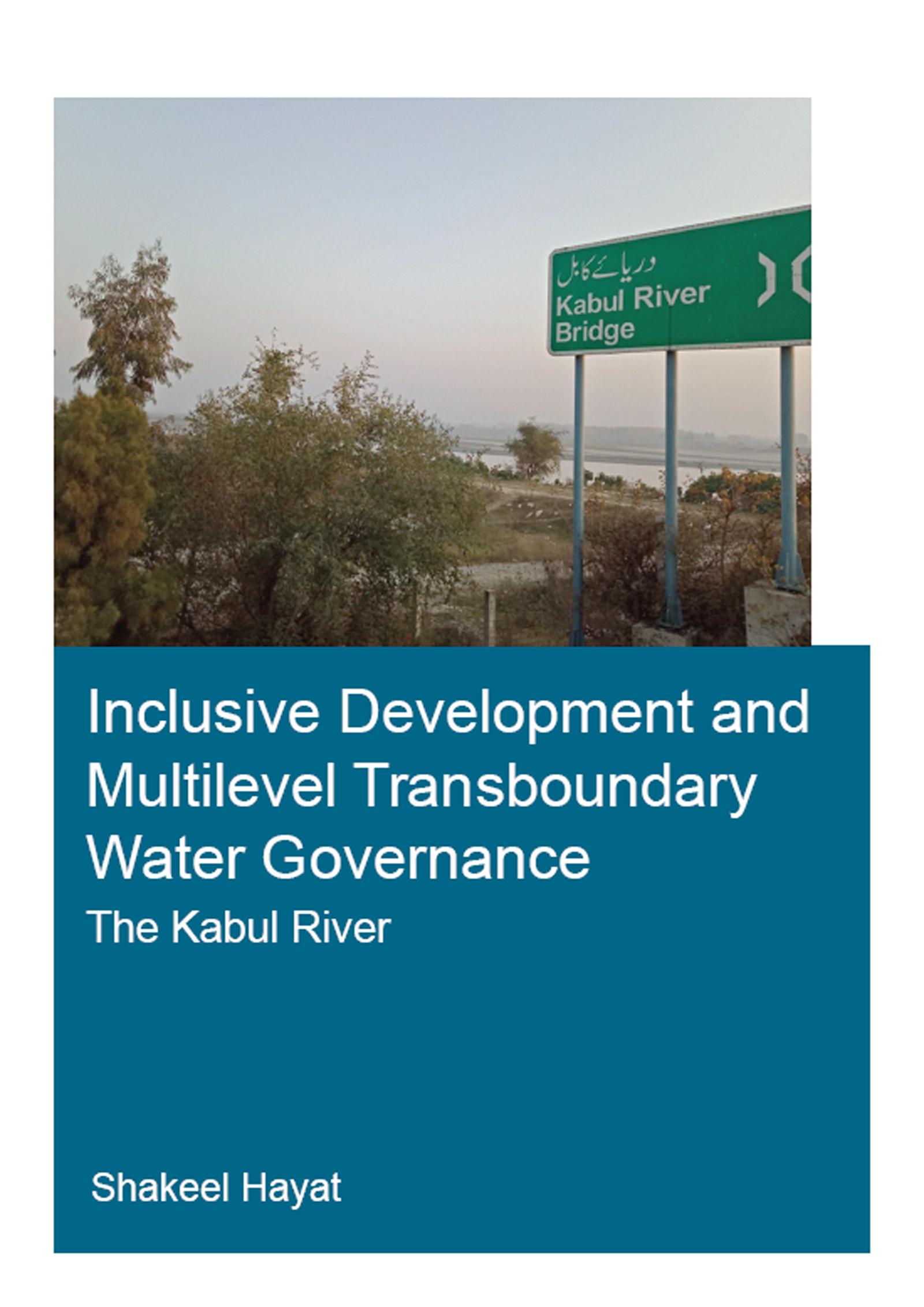
The four decades long ideological-based insurgencies and conflict in the Kabul River Basin (KRB) have seriously hampered the relations and foreign policies of both Afghanistan and Pakistan. Consequently, it restricts them to solve various bilateral issues including transboundary waters. This lack of cooperation over shared water resources is one of the barriers to achieve inclusive and sustainable development. Additionally, it has contributed to the prevailing anarchic situation where each country does what it wants. The absence of a formal water-sharing mechanism coupled with poor water management practices within both the riparian counties are resulting various flow and administration-related challenges. Moreover, these challenges are further exacerbated by regional changes in social, political, environmental and economic systems. The scholarly literature suggests that an analytical transboundary water governance framework is essential to address the challenges of water politicisation and securitisation, quality degradation and quantity reduction. Additionally, the literature rarely integrates (a) a multi-level approach, (b) an institutional approach (c) an inclusive development approach, or (d) accounts for the uses of different types of water and their varied ecosystem services for improved transboundary water governance. To enhance human wellbeing and achieve inclusive and sustainable development in the KRB this research indicates that it is essential to: (1) defrost frozen collaboration; (2) bypass border dispute; (3) use biodiversity and ecosystem services approach; (4) address existing and potential natural and anthropogenic challenges; (5) remove contradictions in the policy environment; (6) combat resource limits and dependence by promoting collaboration on long-term cost effective solutions; and (7) enhance knowledge and dialogue on inclusive development.
Before Memmo my notes were scattered across PDFs. Now a workspace pulls everything into one place — I see exactly what's still left to study.
Memmo's summaries are gold before exams. I don't have to re-read 800 pages two weeks before — just the important parts.
The AI chat has saved me the night before an exam more than once. I just keep asking until I get it — no waiting on a study group to reply.
The quizzes hit exactly what I need to know. Memmo tracks what I get stuck on — so I only practice what's worth it.
Flashcards with spaced repetition are magic. Memmo knows when I'm about to forget something and brings it back.
The AI podcasts are my favorite. I listen on my way to school and get a recap without sitting at a computer.

Handbok i kvalitativa metoder
281 kr

Hållbar utveckling: en introduktion för ingenjörer och andra problemlösare
334 kr

Brymans Samhällsvetenskapliga metoder
390 kr

Projektledning
491 kr

Den orättvisa hälsan: om socioekonomiska skillnader i hälsa och livslängd
326 kr

Organizational Leadership
429 kr

Vetenskapsteori för nybörjare
196 kr

På väg mot läraryrket
172 kr

Det sociala livet i skolan: Socialpsykologiska perspektiv
253 kr

Betygsättningens didaktik
151 kr

Personality
402 kr

Studying Leadership
404 kr

Managing Innovation
477 kr

Introduktion till samhällsvetenskaplig metod
347 kr

The Psychology of Sex and Gender
698 kr

Evidens och kunskap för socialt arbete
207 kr

Introduction to Leadership
605 kr