
Before Memmo my notes were scattered across PDFs. Now a workspace pulls everything into one place — I see exactly what's still left to study.
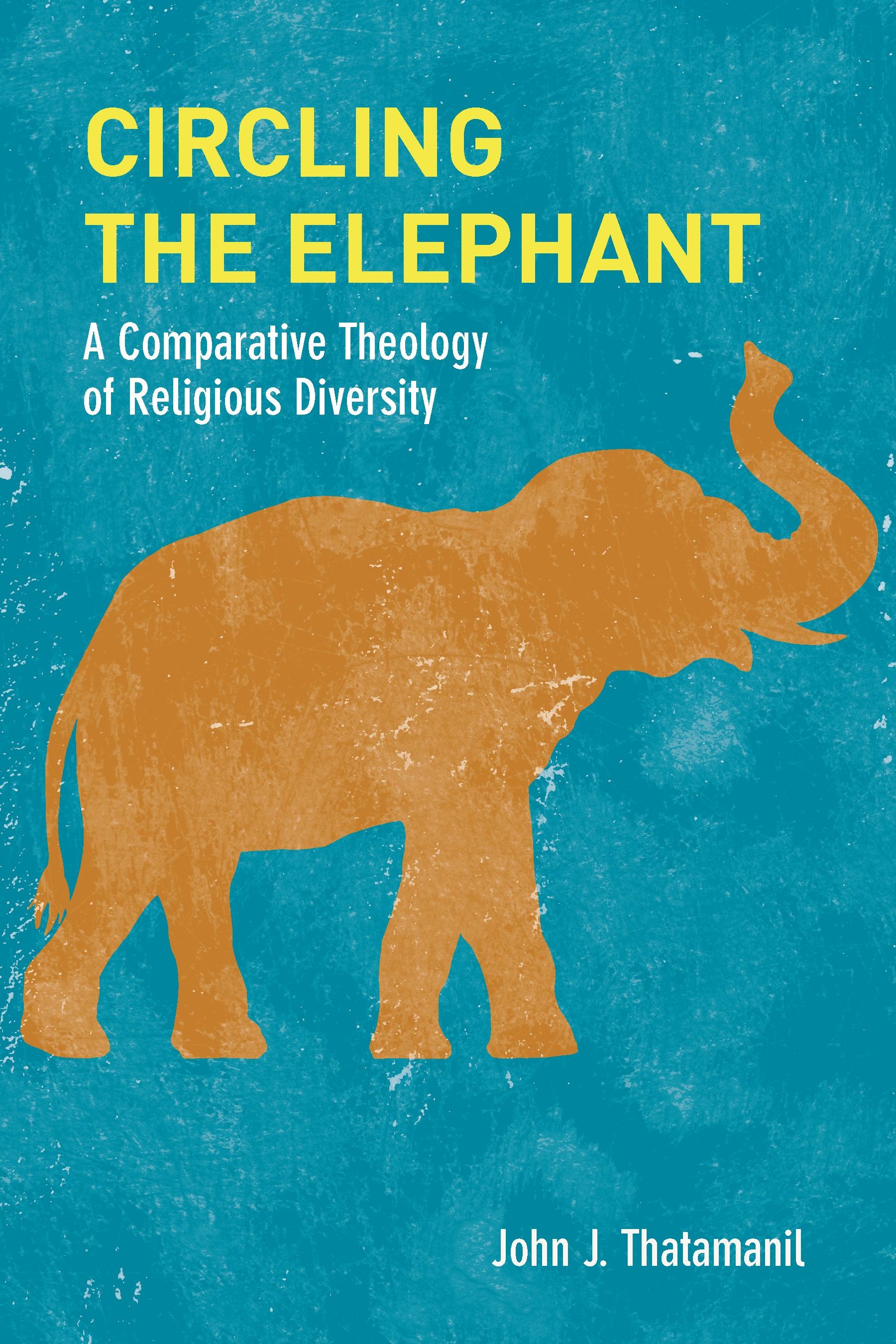
Christian theologians have for some decades affirmed that they have no monopoly on encounters with God or ultimate reality and that other religions also have access to religious truth and transformation. If that is the case, the time has come for Christians not only to learn about but also from their religious neighbors. Circling the Elephant affirms that the best way to be truly open to the mystery of the infinite is to move away from defensive postures of religious isolationism and self-sufficiency and to move, in vulnerability and openness, toward the mystery of the neighbor.
Employing the ancient Indian allegory of the elephant and blind(folded) men, John J. Thatamanil argues for the integration of three often-separated theological projects: theologies of religious diversity (the work of accounting for why there are so many different understandings of the elephant), comparative theology (the venture of walking over to a different side of the elephant), and constructive theology (the endeavor of re-describing the elephant in light of the other two tasks).
Circling the Elephant also offers an analysis of why we have fallen short in the past. Interreligious learning has been obstructed by problematic ideas about “religion” and “religions,” Thatamanil argues, while also pointing out the troubling resonances between reified notions of “religion” and “race.” He contests these notions and offers a new theory of the religious that makes interreligious learning both possible and desirable.
Christians have much to learn from their religious neighbors, even about such central features of Christian theology as Christ and the Trinity. This book envisions religious diversity as a promise, not a problem, and proposes a new theology of religious diversity that opens the door to robust interreligious learning and Christian transformation through encountering the other.
Before Memmo my notes were scattered across PDFs. Now a workspace pulls everything into one place — I see exactly what's still left to study.
Memmo's summaries are gold before exams. I don't have to re-read 800 pages two weeks before — just the important parts.
The AI chat has saved me the night before an exam more than once. I just keep asking until I get it — no waiting on a study group to reply.
The quizzes hit exactly what I need to know. Memmo tracks what I get stuck on — so I only practice what's worth it.
Flashcards with spaced repetition are magic. Memmo knows when I'm about to forget something and brings it back.
The AI podcasts are my favorite. I listen on my way to school and get a recap without sitting at a computer.

Handbok i kvalitativa metoder
281 kr

Hållbar utveckling: en introduktion för ingenjörer och andra problemlösare
334 kr

Brymans Samhällsvetenskapliga metoder
390 kr

Projektledning
491 kr

Den orättvisa hälsan: om socioekonomiska skillnader i hälsa och livslängd
326 kr

Organizational Leadership
429 kr

Vetenskapsteori för nybörjare
196 kr

På väg mot läraryrket
172 kr

Det sociala livet i skolan: Socialpsykologiska perspektiv
253 kr

Betygsättningens didaktik
151 kr

Personality
402 kr

Studying Leadership
404 kr

Managing Innovation
477 kr

Introduktion till samhällsvetenskaplig metod
347 kr

The Psychology of Sex and Gender
698 kr

Evidens och kunskap för socialt arbete
207 kr

Introduction to Leadership
605 kr