
Before Memmo my notes were scattered across PDFs. Now a workspace pulls everything into one place — I see exactly what's still left to study.
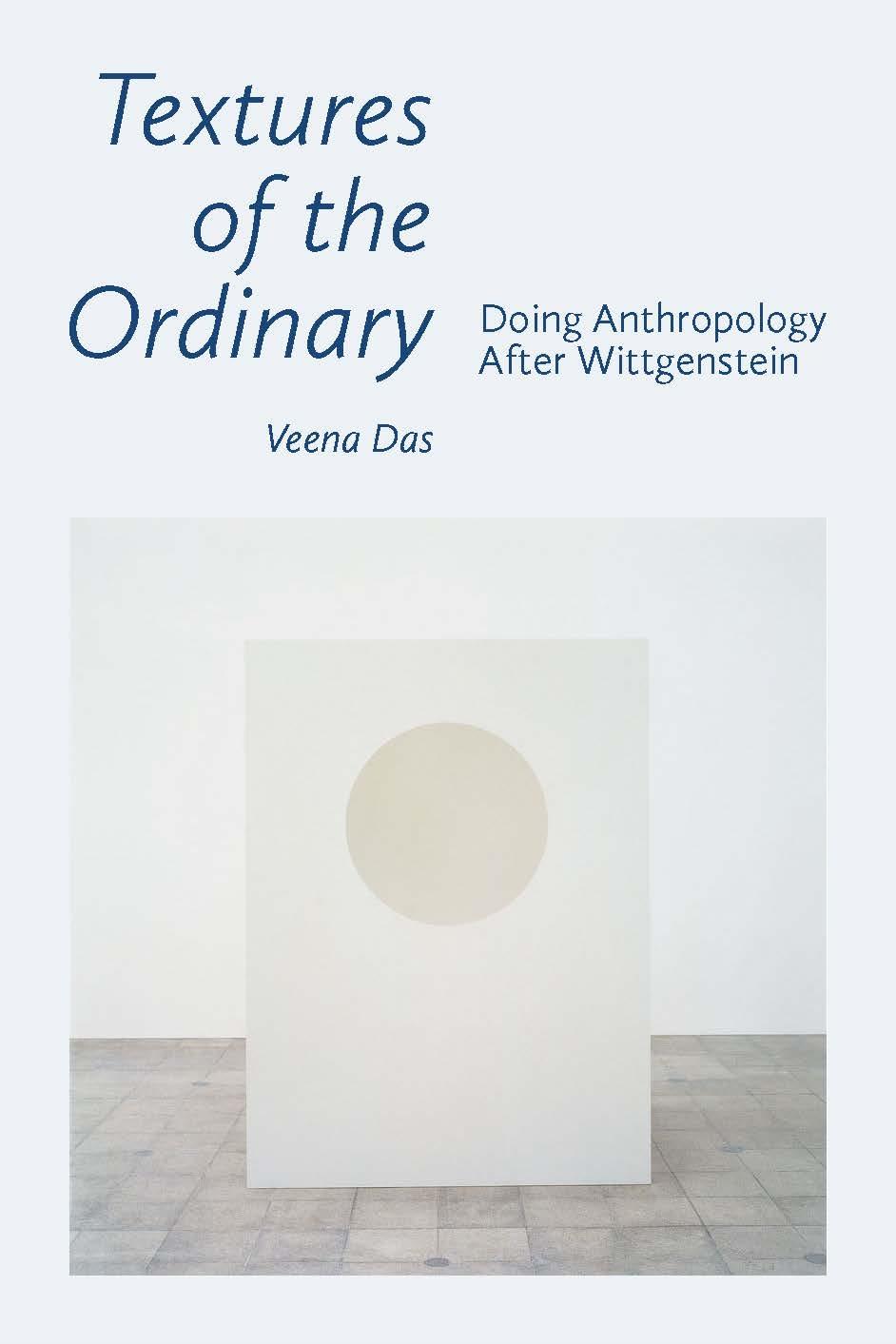
How might we speak of human life amid violence, deprivation, or disease so intrusive as to put the idea of the human into question? How can scholarship and advocacy address new forms of war or the slow, corrosive violence that belie democracy's promise to mitigate human suffering? To Veena Das, the answers to these question lie not in foundational ideas about human nature but in a close attention to the diverse ways in which the natural and the social mutually absorb each other on a daily basis.
Textures of the Ordinary shows how anthropology finds a companionship with philosophy in the exploration of everyday life. Based on two decades of ethnographic work among low-income urban families in India, Das shows how the notion of texture aligns ethnography with the anthropological tone in Wittgenstein and Cavell, as well as in literary texts.
Das shows that doing anthropology after Wittgenstein does not consist in taking over a new set of terms such as forms of life, language games, or private language from Wittgenstein’s philosophy. Instead, we must learn to see what eludes us in the everyday precisely because it is before our eyes. The book shows different routes of return to the everyday as it is corroded not only by catastrophic events but also by repetitive and routine violence within everyday life itself. As an alternative to normative ethics, this book develops ordinary ethics as attentiveness to the other and as the ability of small acts of care to stand up to horrific violence.
Textures of the Ordinary offers a model of thinking in which concepts and experience are shown to be mutually vulnerable. With questions returned to repeatedly throughout the text and over a lifetime, this book is an intellectually intimate invitation into the ordinary, that which is most simple yet most difficult to perceive in our lives.
Before Memmo my notes were scattered across PDFs. Now a workspace pulls everything into one place — I see exactly what's still left to study.
Memmo's summaries are gold before exams. I don't have to re-read 800 pages two weeks before — just the important parts.
The AI chat has saved me the night before an exam more than once. I just keep asking until I get it — no waiting on a study group to reply.
The quizzes hit exactly what I need to know. Memmo tracks what I get stuck on — so I only practice what's worth it.
Flashcards with spaced repetition are magic. Memmo knows when I'm about to forget something and brings it back.
The AI podcasts are my favorite. I listen on my way to school and get a recap without sitting at a computer.

Handbok i kvalitativa metoder
281 kr

Hållbar utveckling: en introduktion för ingenjörer och andra problemlösare
334 kr

Brymans Samhällsvetenskapliga metoder
390 kr

Projektledning
491 kr

Den orättvisa hälsan: om socioekonomiska skillnader i hälsa och livslängd
326 kr

Organizational Leadership
429 kr

Vetenskapsteori för nybörjare
196 kr

På väg mot läraryrket
172 kr

Det sociala livet i skolan: Socialpsykologiska perspektiv
253 kr

Betygsättningens didaktik
151 kr

Personality
402 kr

Studying Leadership
404 kr

Managing Innovation
477 kr

Introduktion till samhällsvetenskaplig metod
347 kr

The Psychology of Sex and Gender
698 kr

Evidens och kunskap för socialt arbete
207 kr

Introduction to Leadership
605 kr