
Before Memmo my notes were scattered across PDFs. Now a workspace pulls everything into one place — I see exactly what's still left to study.
Winner: AAIS First Book Prize
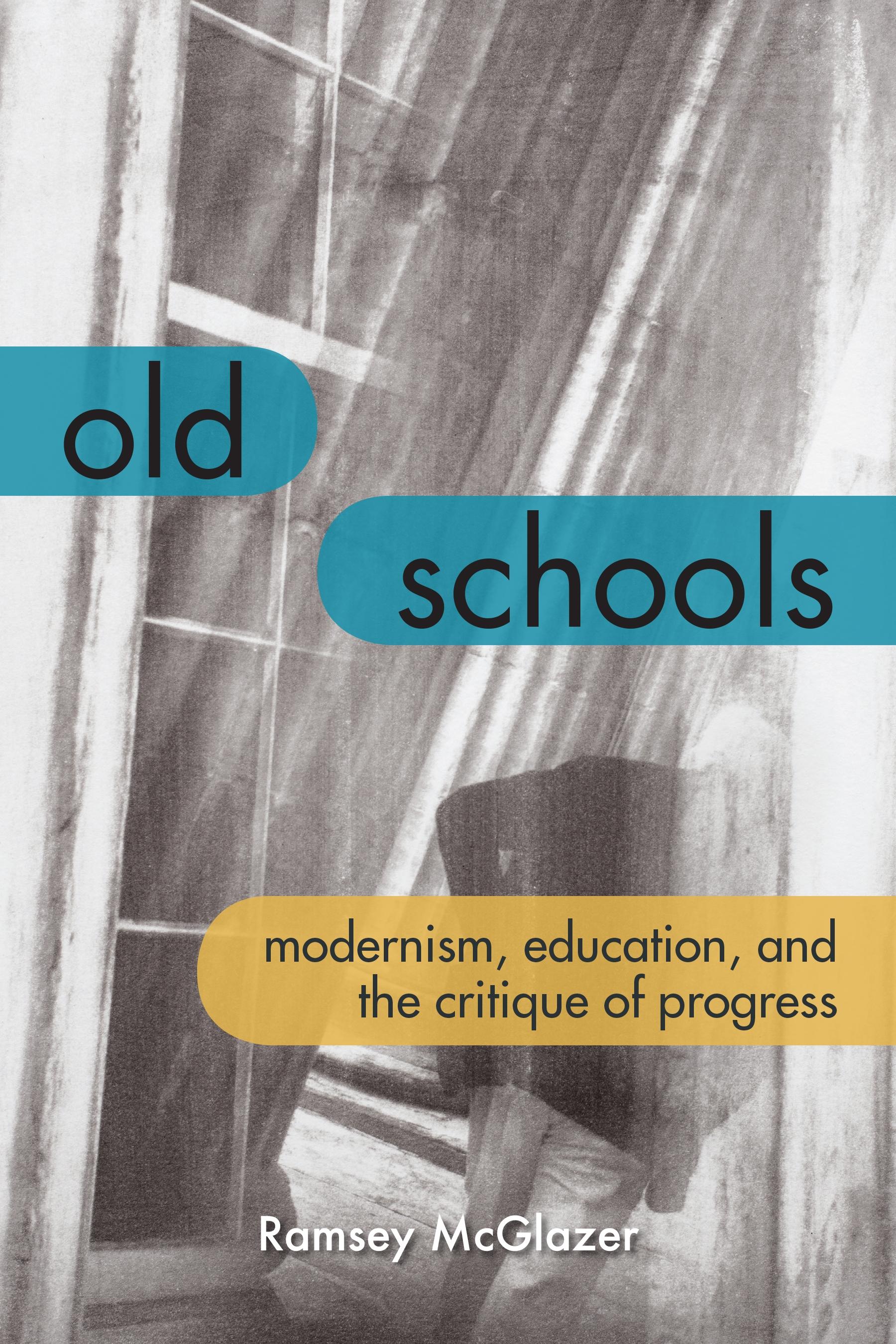
Old Schools marks out a modernist countertradition. The book makes sense of an apparent anachronism in twentieth-century literature and cinema: a fascination with outmoded, paradigmatically pre-modern educational forms that persists long after they are displaced in progressive pedagogical theories.
Advocates of progressive education turned against Latin in particular. The dead language—taught through time-tested means including memorization, recitation, copying out, and other forms of repetition and recall—needed to be updated or eliminated, reformers argued, so that students could breathe free and become modern, achieving a break with convention and constraint.
Yet McGlazer’s remarkable book reminds us that progressive education was championed not only by political progressives, but also by Fascists in Italy, where it was an object of Gramsci’s critique. Building on Gramsci’s pages on the Latin class, McGlazer shows how figures in various cultural vanguards, from Victorian Britain to 1970s Brazil, returned to and reimagined the old school.
Strikingly, the works that McGlazer considers valorize this school’s outmoded techniques even at their most cumbersome and conventional. Like the Latin class to which they return, these works produce constraints that feel limiting but that, by virtue of that limitation, invite valuable resistance. As they turn grammar drills into verse and repetitious lectures into voiceovers, they find unlikely resources for critique in the very practices that progressive reformers sought to clear away.
Registering the past’s persistence even while they respond to the mounting pressures of modernization, writers and filmmakers from Pater to Joyce to Pasolini retain what might look like retrograde attachments—to tradition, transmission, scholastic rites, and repetitive forms. But the counter-progressive pedagogies that they devise repeat the past to increasingly radical effect. Old Schools teaches us that this kind of repetition can enable the change that it might seem to impede.
Before Memmo my notes were scattered across PDFs. Now a workspace pulls everything into one place — I see exactly what's still left to study.
Memmo's summaries are gold before exams. I don't have to re-read 800 pages two weeks before — just the important parts.
The AI chat has saved me the night before an exam more than once. I just keep asking until I get it — no waiting on a study group to reply.
The quizzes hit exactly what I need to know. Memmo tracks what I get stuck on — so I only practice what's worth it.
Flashcards with spaced repetition are magic. Memmo knows when I'm about to forget something and brings it back.
The AI podcasts are my favorite. I listen on my way to school and get a recap without sitting at a computer.

Handbok i kvalitativa metoder
281 kr

Hållbar utveckling: en introduktion för ingenjörer och andra problemlösare
334 kr

Brymans Samhällsvetenskapliga metoder
390 kr

Projektledning
491 kr

Den orättvisa hälsan: om socioekonomiska skillnader i hälsa och livslängd
326 kr

Organizational Leadership
429 kr

Vetenskapsteori för nybörjare
196 kr

På väg mot läraryrket
172 kr

Det sociala livet i skolan: Socialpsykologiska perspektiv
253 kr

Betygsättningens didaktik
151 kr

Personality
402 kr

Studying Leadership
404 kr

Managing Innovation
477 kr

Introduktion till samhällsvetenskaplig metod
347 kr

The Psychology of Sex and Gender
698 kr

Evidens och kunskap för socialt arbete
207 kr

Introduction to Leadership
605 kr