
Before Memmo my notes were scattered across PDFs. Now a workspace pulls everything into one place — I see exactly what's still left to study.
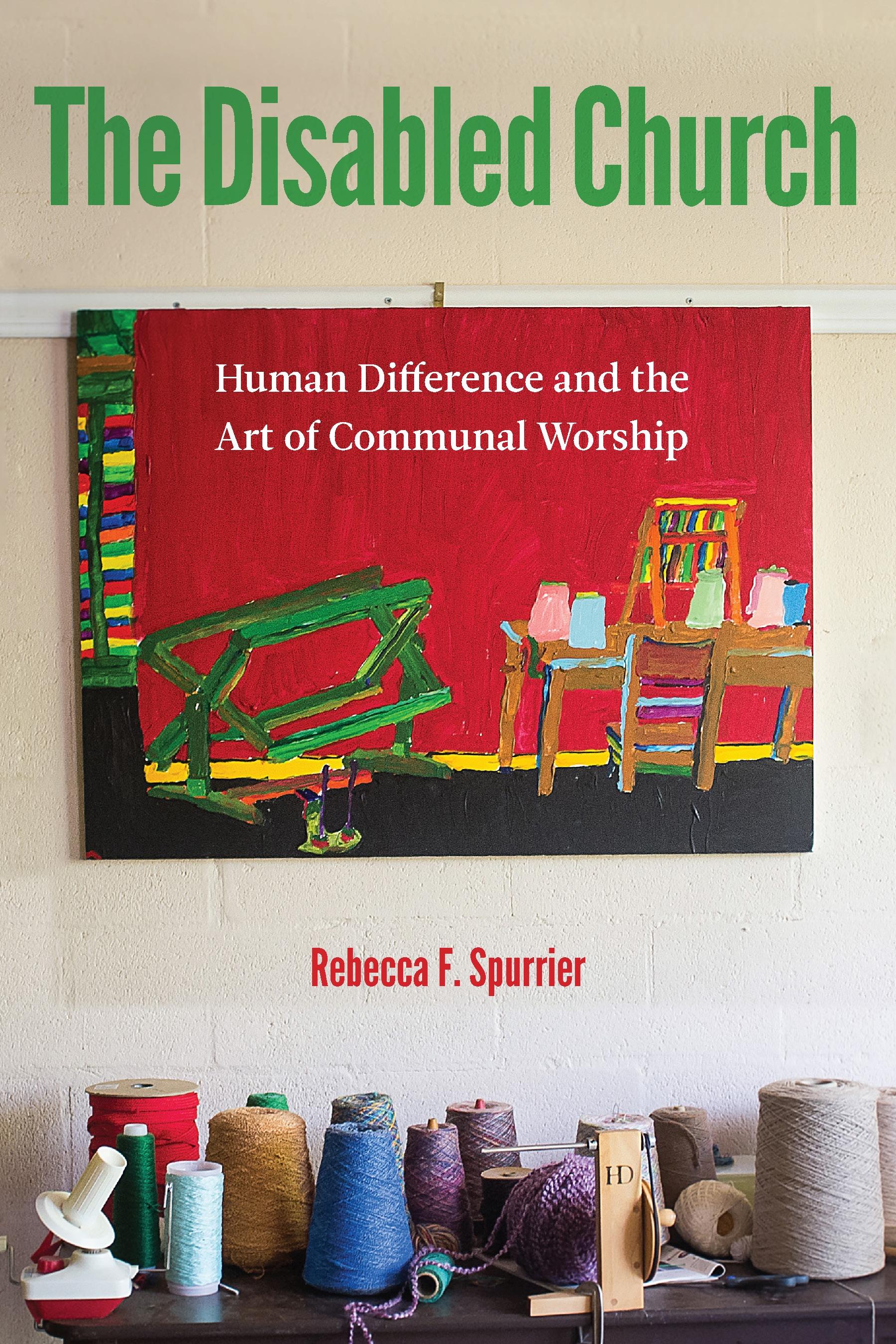
How do communities consent to difference? How do they recognize and create the space and time necessary for the differences and disabilities of those who constitute them? Christian congregations often make assumptions about the shared abilities, practices, and experiences that are necessary for communal worship. The author of this provocative new book takes a hard look at these assumptions through a detailed ethnographic study of an unusual religious community where more than half the congregants live with diagnoses of mental illness, many coming to the church from personal care homes or independent living facilities. Here, people’s participation in worship disrupts and extends the formal orders of worship. Whenever one worships God at Sacred Family Church, there is someone who is doing it differently.
Here, the author argues, the central elements and the participation in the symbols of Christian worship raise questions rather than supply clear markers of unity, prompting the question, What do you need in order to have a church that assumes difference at its heart?
Based on three years of ethnographic research, The Disabled Church describes how the Sacred Family community, comprising people with very different mental abilities, backgrounds, and resources, sustains and embodies a common religious identity. It explores how an ethic of difference is both helped and hindered by a church’s embodied theology. Paying careful attention to how these congregants improvise forms of access to a common liturgy, this book offers a groundbreaking theology of worship that engages both the fragility and beauty revealed by difference within the church. As liturgy requires consent to difference rather than coercion, an aesthetic approach to differences within Christian liturgy provides a frame for congregations and Christian liturgists to pay attention to the differences and disabilities of worshippers. This book creates a distinctive conversation between critical disability studies, liturgical aesthetics, and ethnographic theology, offering an original perspective on the relationship between beauty and disability within Christian communities. Here is a transformational theological aesthetics of Christian liturgy that prioritizes human difference and argues for the importance of the Disabled Church.
Before Memmo my notes were scattered across PDFs. Now a workspace pulls everything into one place — I see exactly what's still left to study.
Memmo's summaries are gold before exams. I don't have to re-read 800 pages two weeks before — just the important parts.
The AI chat has saved me the night before an exam more than once. I just keep asking until I get it — no waiting on a study group to reply.
The quizzes hit exactly what I need to know. Memmo tracks what I get stuck on — so I only practice what's worth it.
Flashcards with spaced repetition are magic. Memmo knows when I'm about to forget something and brings it back.
The AI podcasts are my favorite. I listen on my way to school and get a recap without sitting at a computer.

Handbok i kvalitativa metoder
281 kr

Hållbar utveckling: en introduktion för ingenjörer och andra problemlösare
334 kr

Brymans Samhällsvetenskapliga metoder
390 kr

Projektledning
491 kr

Den orättvisa hälsan: om socioekonomiska skillnader i hälsa och livslängd
326 kr

Organizational Leadership
429 kr

Vetenskapsteori för nybörjare
196 kr

På väg mot läraryrket
172 kr

Det sociala livet i skolan: Socialpsykologiska perspektiv
253 kr

Betygsättningens didaktik
151 kr

Personality
402 kr

Studying Leadership
404 kr

Managing Innovation
477 kr

Introduktion till samhällsvetenskaplig metod
347 kr

The Psychology of Sex and Gender
698 kr

Evidens och kunskap för socialt arbete
207 kr

Introduction to Leadership
605 kr