
Before Memmo my notes were scattered across PDFs. Now a workspace pulls everything into one place — I see exactly what's still left to study.
Habit rules our lives. And yet climate change and the catastrophic future it portends, makes it clear that we cannot go on like this.
Our habits are integral to narratives of the good life, to social norms and expectations, as well as to economic reality. Such shared shapes are vital. Yet while many of our individual habits seem perfectly reasonable, when aggregated together they spell disaster. Beyond consumerism, other forms of life and patterns of dwelling are clearly possible. But how can we get there from here? Who precisely is the ‘we’ that our habits have created, and who else might we be?
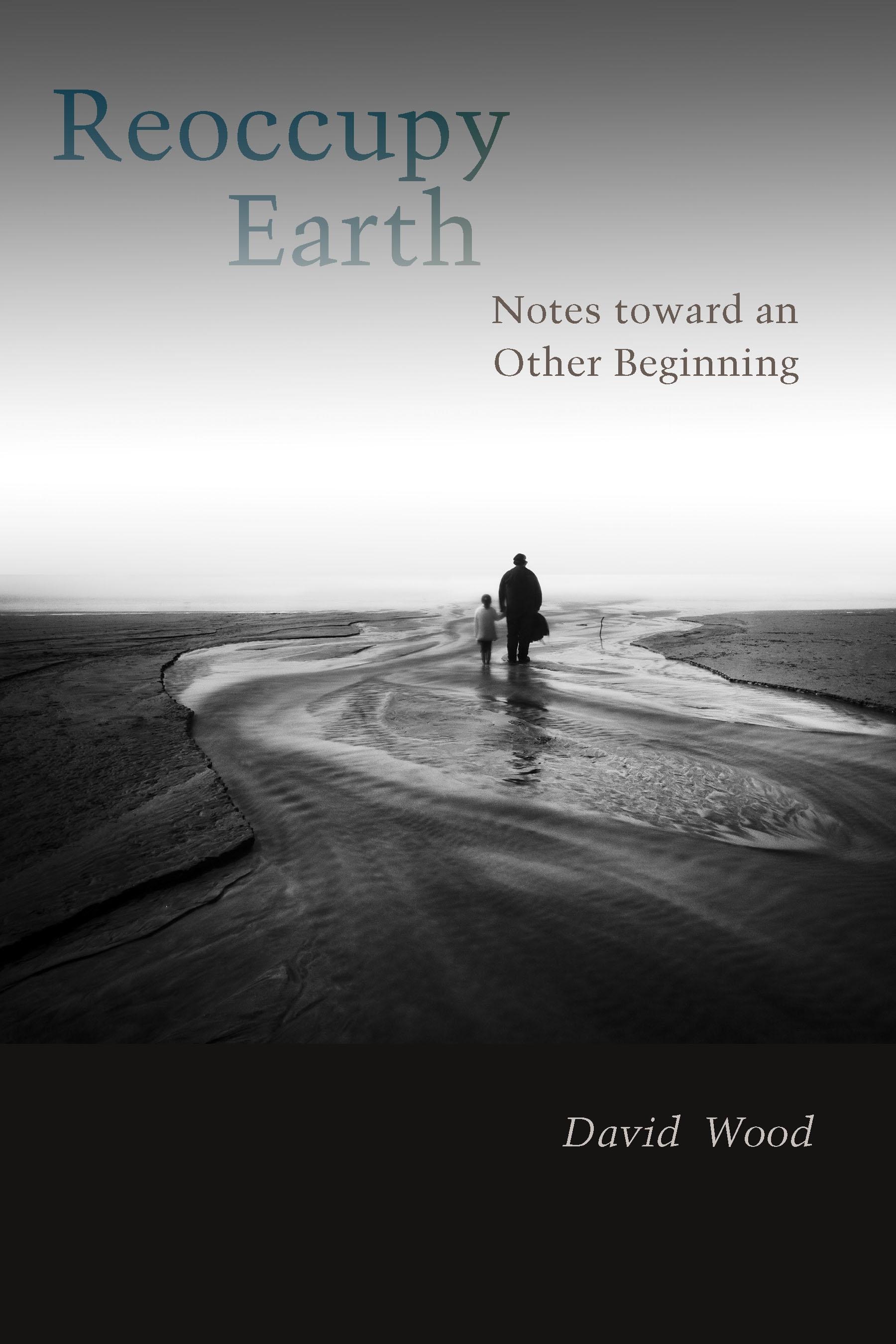
Philosophy is about emancipation—from illusions, myths, and oppression. In Reoccupy Earth, the noted philosopher David Wood shows how an approach to philosophy attuned to our ecological existence can suspend the taken-for-granted and open up alternative forms of earthly dwelling. Sharing the earth, as we do, raises fundamental questions about space and time, place and history, territory and embodiment—questions that philosophy cannot directly answer but can help us to frame and to work out for ourselves. Deconstruction exposes all manner of exclusion, violence to the other, and silent subordination. Phenomenology and Whitehead’s process philosophy offer further resources for an ecological imagination.
Bringing an uncommon lucidity, directness, and even practicality to sophisticated philosophical questions, Wood plots experiential pathways that disrupt our habitual existence and challenge our everyday complacency. In walking us through a range of reversals, transformations, and estrangements that thinking ecologically demands of us, Wood shows how living responsibly with the earth means affirming the ways in which we are vulnerable, receptive, and dependent, and the need for solidarity all round.
If we take seriously values like truth, justice, and compassion we must be willing to contemplate that the threat we pose to the earth might demand our own species’ demise. Yet we have the capacity to live responsibly. In an unfashionable but spirited defense of an enlightened anthropocentrism, Wood argues that to deserve the privileges of Reason we must demonstrably deploy it through collective sustainable agency. Only in this way can we reinhabit the earth.
Before Memmo my notes were scattered across PDFs. Now a workspace pulls everything into one place — I see exactly what's still left to study.
Memmo's summaries are gold before exams. I don't have to re-read 800 pages two weeks before — just the important parts.
The AI chat has saved me the night before an exam more than once. I just keep asking until I get it — no waiting on a study group to reply.
The quizzes hit exactly what I need to know. Memmo tracks what I get stuck on — so I only practice what's worth it.
Flashcards with spaced repetition are magic. Memmo knows when I'm about to forget something and brings it back.
The AI podcasts are my favorite. I listen on my way to school and get a recap without sitting at a computer.

Handbok i kvalitativa metoder
281 kr

Hållbar utveckling: en introduktion för ingenjörer och andra problemlösare
334 kr

Brymans Samhällsvetenskapliga metoder
390 kr

Projektledning
491 kr

Den orättvisa hälsan: om socioekonomiska skillnader i hälsa och livslängd
326 kr

Organizational Leadership
429 kr

Vetenskapsteori för nybörjare
196 kr

På väg mot läraryrket
172 kr

Det sociala livet i skolan: Socialpsykologiska perspektiv
253 kr

Betygsättningens didaktik
151 kr

Personality
402 kr

Studying Leadership
404 kr

Managing Innovation
477 kr

Introduktion till samhällsvetenskaplig metod
347 kr

The Psychology of Sex and Gender
698 kr

Evidens och kunskap för socialt arbete
207 kr

Introduction to Leadership
605 kr