
Before Memmo my notes were scattered across PDFs. Now a workspace pulls everything into one place — I see exactly what's still left to study.
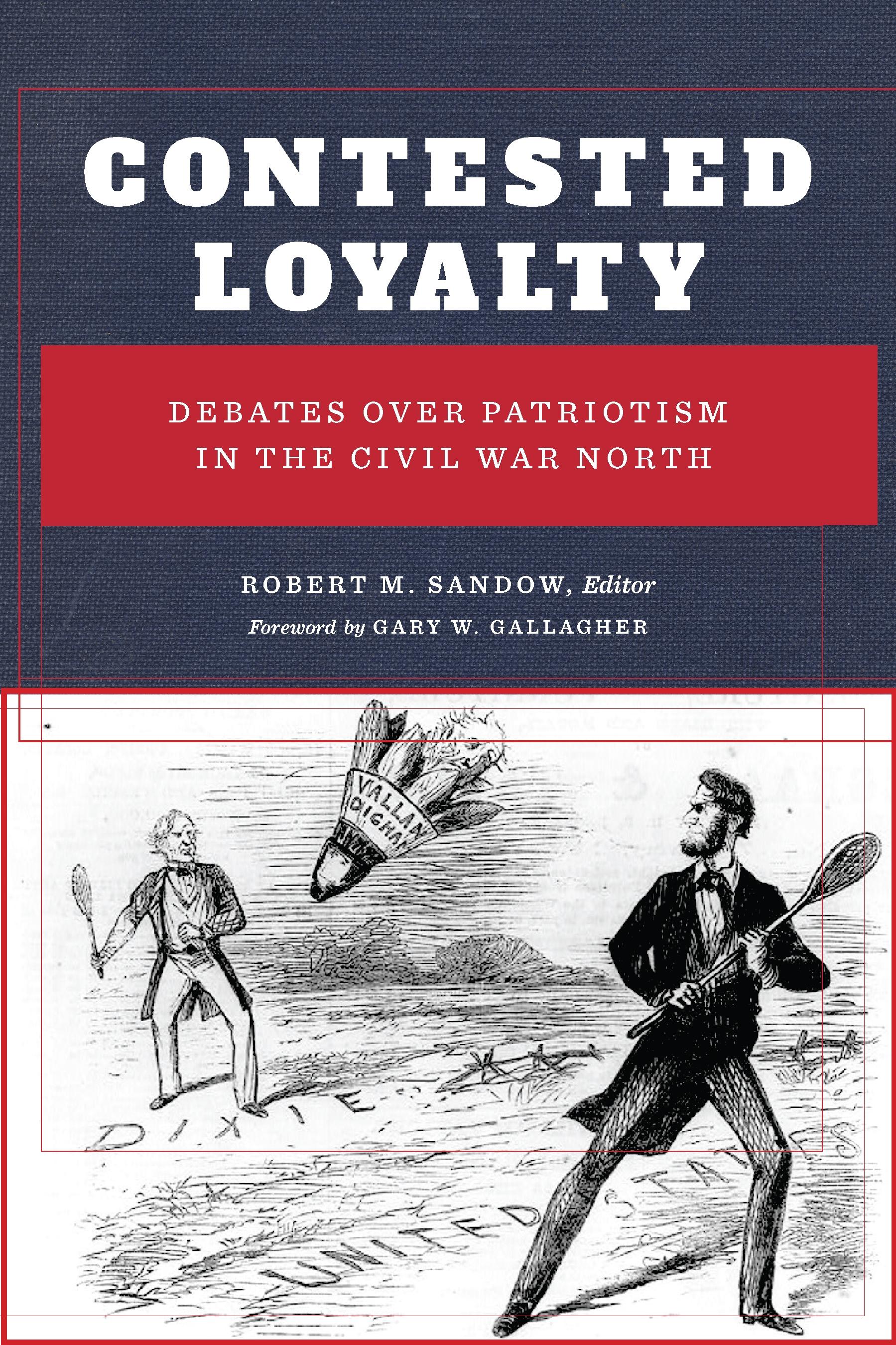
Embroiled in the Civil War, northerners wrote and spoke with frequency about the subject of loyalty. The word was common in newspaper articles, political pamphlets, and speeches, appeared on flags, broadsides, and prints, was written into diaries and letters and the stationary they appeared on, and even found its way into sermons. Its ubiquity suggests that loyalty was an important concept…but what did it mean to those who used it? Contested Loyalty examines the significance of loyalty across fault lines of gender, social class, and education, race and ethnicity, and political or religious affiliation. These differing vantage points reveal the complicated ways in which loyalties were defined, prioritized, acted upon, and related.
While most of the scholarly work on Civil War Era nationalism has focused on southern identity and Confederate nationhood, the essays in Contested Loyalty examine the variable, fluid constructions of these concepts in the north. Essays explore the limitations and incomplete nature of national loyalty and how disparate groups struggled to control its meaning. The authors move beyond the narrow partisan debate over Democratic dissent to examine other challenges to and competing interpretations of national loyalty.
Today’s leading and emerging scholars examine loyalty through: the frame of politics at the state and national level; the viewpoints of college educated men as well as the women they courted; the attitudes of northern Protestant churches on issues of patriotism and loyalty; working class men and women in military industries; how employers could use the language of loyalty to take away the rights of workers; and the meaning of loyalty in contexts of race and ethnicity.
The Union cause was a powerful ideology committing millions of citizens, in the ranks and at home, to a long and bloody war. But loyalty to the Union cause imperfectly explains how citizens reacted to the traumas of war or the ways in which conflicting loyalties played out in everyday life. The essays in this collection point us down the path of greater understanding.
Before Memmo my notes were scattered across PDFs. Now a workspace pulls everything into one place — I see exactly what's still left to study.
Memmo's summaries are gold before exams. I don't have to re-read 800 pages two weeks before — just the important parts.
The AI chat has saved me the night before an exam more than once. I just keep asking until I get it — no waiting on a study group to reply.
The quizzes hit exactly what I need to know. Memmo tracks what I get stuck on — so I only practice what's worth it.
Flashcards with spaced repetition are magic. Memmo knows when I'm about to forget something and brings it back.
The AI podcasts are my favorite. I listen on my way to school and get a recap without sitting at a computer.

Handbok i kvalitativa metoder
281 kr

Hållbar utveckling: en introduktion för ingenjörer och andra problemlösare
334 kr

Brymans Samhällsvetenskapliga metoder
390 kr

Projektledning
491 kr

Den orättvisa hälsan: om socioekonomiska skillnader i hälsa och livslängd
326 kr

Vetenskapsteori för nybörjare
196 kr

Organizational Leadership
429 kr

På väg mot läraryrket
172 kr

Det sociala livet i skolan: Socialpsykologiska perspektiv
253 kr

Betygsättningens didaktik
151 kr

Personality
402 kr

Studying Leadership
404 kr

Managing Innovation
477 kr

Introduktion till samhällsvetenskaplig metod
347 kr

The Psychology of Sex and Gender
698 kr

Evidens och kunskap för socialt arbete
207 kr

Introduction to Leadership
605 kr