
Before Memmo my notes were scattered across PDFs. Now a workspace pulls everything into one place — I see exactly what's still left to study.
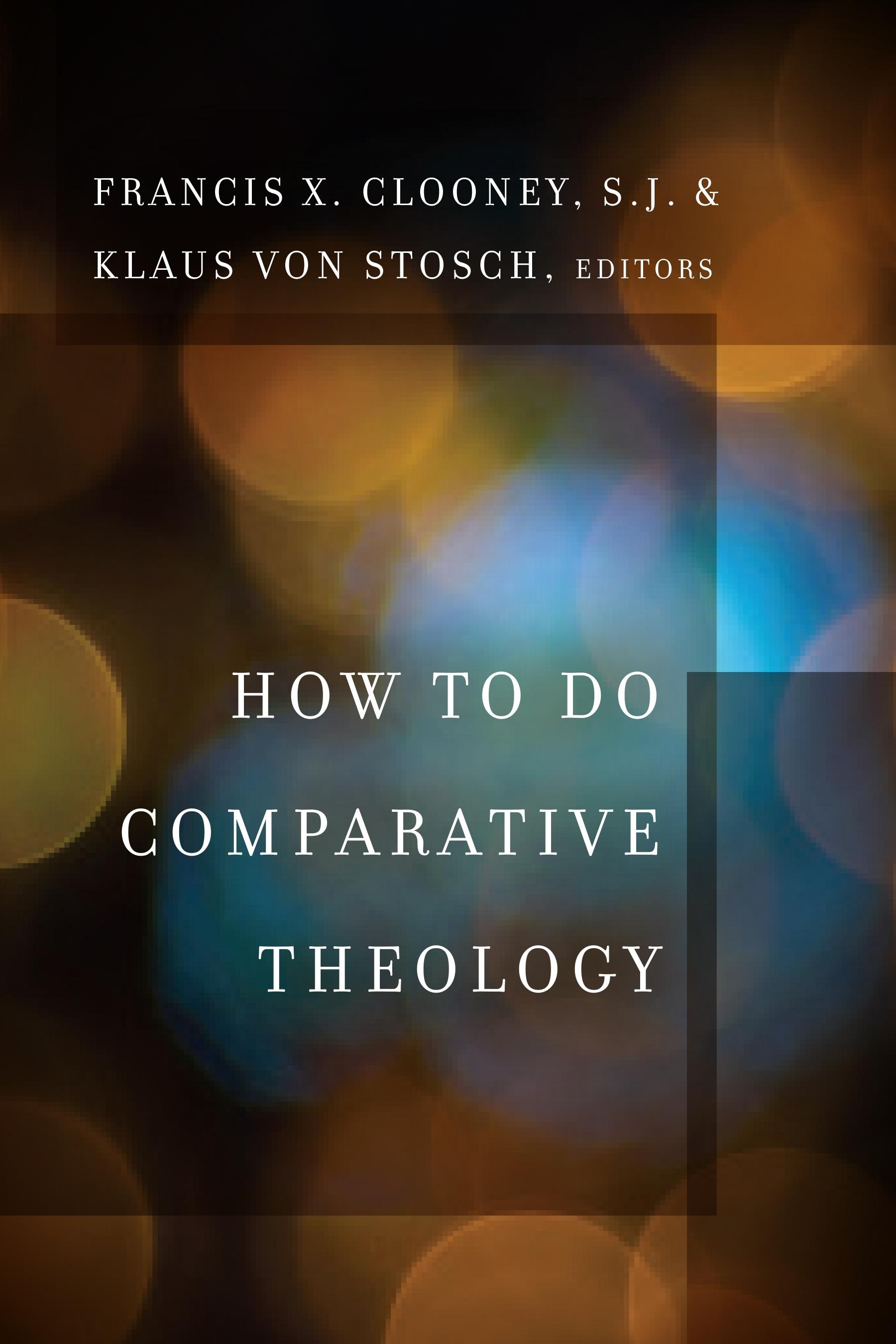
For a generation and more, the contribution of Christian theology to interreligious understanding has been a subject of debate. Some think of theological perspectives are of themselves inherently too narrow to support interreligious learning, and argue for an approach that is neutral or, on a more popular level, grounded simply open-minded direct experience. In response, comparative theology argues that theology, as faith seeking understanding, offers a vital perspective and a way of advancing interreligious dialogue, aided rather than hindered by commitments; theological perspectives can both complement and step beyond the study of religions by methods detached and merely neutral. Thus comparative theology has been successful in persuading many that interreligious learning from one faith perspective to another is both possible and worthwhile, and so the work of comparative theology has become more recognized and established globally. With this success there has come to the fore new challenges regarding method: How does one do comparative theological work in a way that is theologically grounded, genuinely open to learning from the other, sophisticated in pursuing comparisons, and fruitful on both the academic and practical levels?
How To Do Comparative Theology therefore contributes to the maturation of method in the field of comparative theological studies, learning across religious borders, by bringing together essays drawing on different Christian traditions of learning, Judaism and Islam, Hinduism and Buddhism, the wisdom of senior scholars, and also insights from a younger generation of scholars who have studied theology and religion in new ways, and are more attuned to the language of the “spiritual but not religious.” The essays in this volume show great diversity in method, and also—over and again and from many angles—coherence in intent, a commitment to one learning from the other, and a confidence that one’s home tradition benefits from fair and unhampered learning from other and very different spiritual and religious traditions. It therefore shows the diversity and coherence of comparative theology as an emerging discipline today.
Before Memmo my notes were scattered across PDFs. Now a workspace pulls everything into one place — I see exactly what's still left to study.
Memmo's summaries are gold before exams. I don't have to re-read 800 pages two weeks before — just the important parts.
The AI chat has saved me the night before an exam more than once. I just keep asking until I get it — no waiting on a study group to reply.
The quizzes hit exactly what I need to know. Memmo tracks what I get stuck on — so I only practice what's worth it.
Flashcards with spaced repetition are magic. Memmo knows when I'm about to forget something and brings it back.
The AI podcasts are my favorite. I listen on my way to school and get a recap without sitting at a computer.

Handbok i kvalitativa metoder
281 kr

Hållbar utveckling: en introduktion för ingenjörer och andra problemlösare
334 kr

Brymans Samhällsvetenskapliga metoder
390 kr

Projektledning
491 kr

Den orättvisa hälsan: om socioekonomiska skillnader i hälsa och livslängd
326 kr

Organizational Leadership
429 kr

Vetenskapsteori för nybörjare
196 kr

På väg mot läraryrket
172 kr

Det sociala livet i skolan: Socialpsykologiska perspektiv
253 kr

Betygsättningens didaktik
151 kr

Personality
402 kr

Studying Leadership
404 kr

Managing Innovation
477 kr

Introduktion till samhällsvetenskaplig metod
347 kr

The Psychology of Sex and Gender
698 kr

Evidens och kunskap för socialt arbete
207 kr

Introduction to Leadership
605 kr