
Before Memmo my notes were scattered across PDFs. Now a workspace pulls everything into one place — I see exactly what's still left to study.
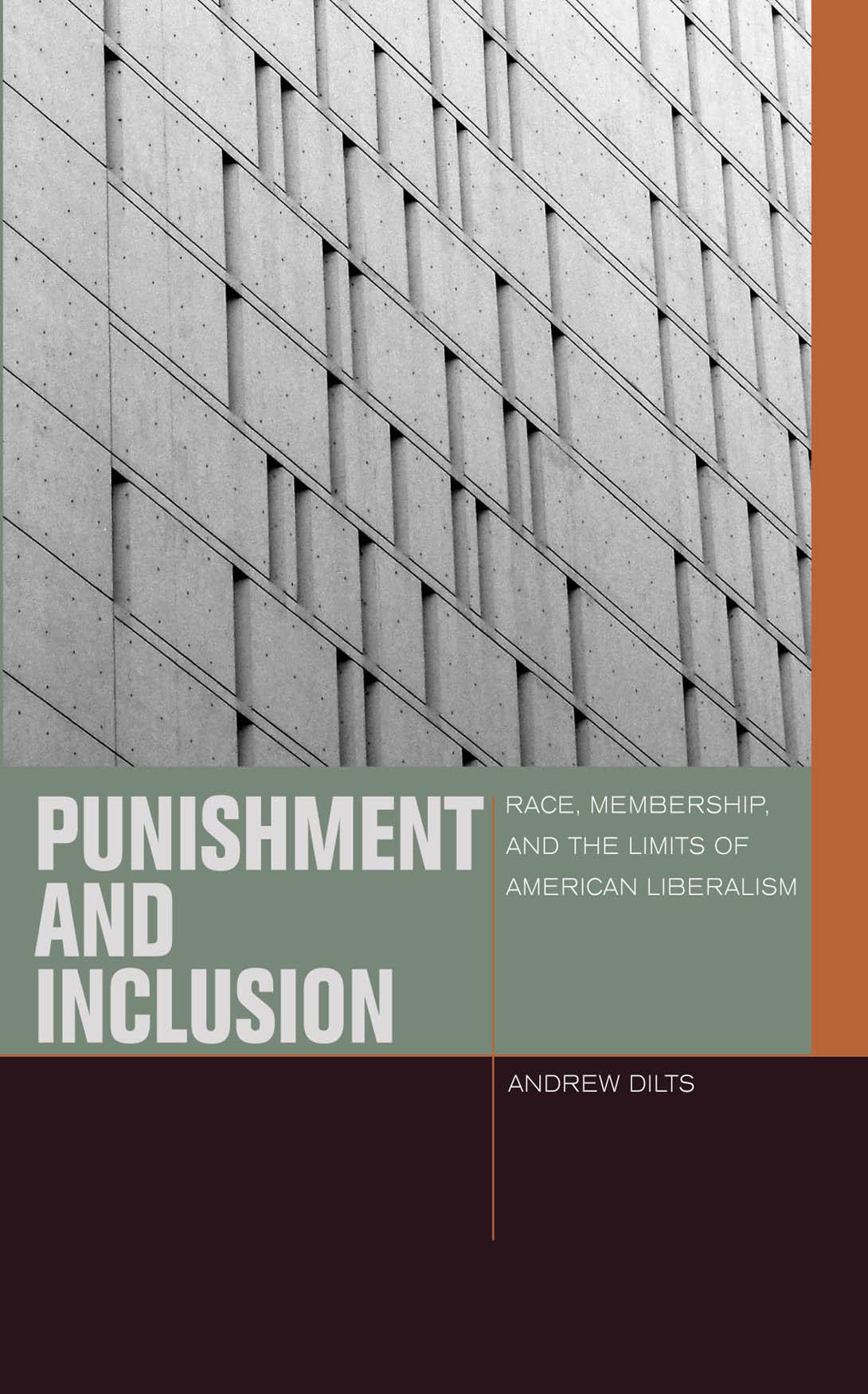
At the start of the twenty-first century, 1 percent of the U.S. population is behind bars. An additional 3 percent is on parole or probation. In all but two states, incarcerated felons cannot vote, and in three states felon disenfranchisement is for life. More than 5 million adult Americans cannot vote because of a felony-class criminal conviction, meaning that more than 2 percent of otherwise eligible voters are stripped of their political rights. Nationally, fully a third of the disenfranchised are African American, effectively disenfranchising 8 percent of all African Americans in the United States. In Alabama, Kentucky, and Florida, one in every five adult African Americans cannot vote.
Punishment and Inclusion gives a theoretical and historical account of this pernicious practice of felon disenfranchisement, drawing widely on early modern political philosophy, continental and postcolonial political thought, critical race theory, feminist philosophy, disability theory, critical legal studies, and archival research into state constitutional conventions. It demonstrates that the history of felon disenfranchisement, rooted in postslavery restrictions on suffrage and the contemporaneous emergence of the modern “American” penal system, reveals the deep connections between two political institutions often thought to be separate, showing the work of membership done by the criminal punishment system and the work of punishment done by the electoral franchise.
Felon disenfranchisement is a symptom of the tension that persists in democratic politics between membership and punishment. This book shows how this tension is managed via the persistence of white supremacy in contemporary regimes of punishment and governance.
Before Memmo my notes were scattered across PDFs. Now a workspace pulls everything into one place — I see exactly what's still left to study.
Memmo's summaries are gold before exams. I don't have to re-read 800 pages two weeks before — just the important parts.
The AI chat has saved me the night before an exam more than once. I just keep asking until I get it — no waiting on a study group to reply.
The quizzes hit exactly what I need to know. Memmo tracks what I get stuck on — so I only practice what's worth it.
Flashcards with spaced repetition are magic. Memmo knows when I'm about to forget something and brings it back.
The AI podcasts are my favorite. I listen on my way to school and get a recap without sitting at a computer.

Handbok i kvalitativa metoder
281 kr

Hållbar utveckling: en introduktion för ingenjörer och andra problemlösare
334 kr

Brymans Samhällsvetenskapliga metoder
390 kr

Projektledning
491 kr

Den orättvisa hälsan: om socioekonomiska skillnader i hälsa och livslängd
326 kr

Vetenskapsteori för nybörjare
196 kr

Organizational Leadership
429 kr

På väg mot läraryrket
172 kr

Det sociala livet i skolan: Socialpsykologiska perspektiv
253 kr

Betygsättningens didaktik
151 kr

Personality
402 kr

Studying Leadership
404 kr

Managing Innovation
477 kr

Introduktion till samhällsvetenskaplig metod
347 kr

The Psychology of Sex and Gender
698 kr

Evidens och kunskap för socialt arbete
207 kr

Introduction to Leadership
605 kr