
Before Memmo my notes were scattered across PDFs. Now a workspace pulls everything into one place — I see exactly what's still left to study.
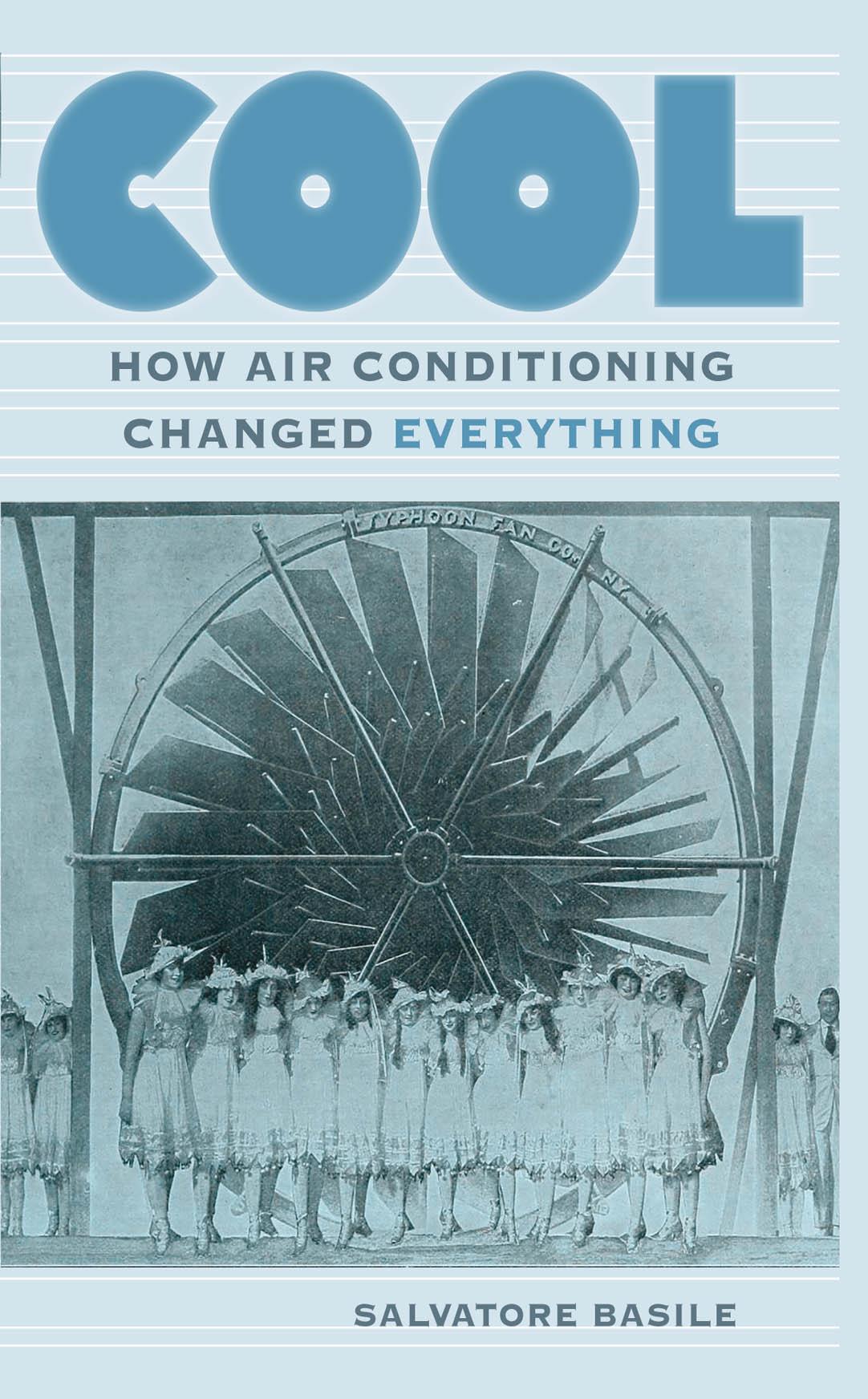
It’s a contraption that makes the lists of “Greatest Inventions Ever”; at the same time, it’s accused of causing global disaster. It has changed everything from architecture to people’s food habits to their voting patterns, to even the way big business washes its windows. It has saved countless lives . . . while causing countless deaths. Most of us are glad it’s there. But we don’t know how, or when, it got there.
It’s air conditioning.
For thousands of years, humankind attempted to do something about the slow torture of hot weather. Everything was tried: water power, slave power, electric power, ice made from steam engines and cold air made from deadly chemicals, “zephyrifers,” refrigerated beds, ventilation amateurs and professional air-sniffers. It wasn’t until 1902 when an engineer barely out of college developed the “Apparatus for Treating Air”—a machine that could actually cool the indoors—and everyone assumed it would instantly change the world.
That wasn’t the case. There was a time when people “ignored” hot weather while reading each day’s list of heat-related deaths, women wore furs in the summertime, heatstroke victims were treated with bloodletting . . . and the notion of a machine to cool the air was considered preposterous, even sinful.
The story of air conditioning is actually two stories: the struggle to perfect a cooling device, and the effort to convince people that they actually needed such a thing. With a cast of characters ranging from Leonardo da Vinci and Richard Nixon to Felix the Cat, Cool showcases the myriad reactions to air conditioning— some of them dramatic, many others comical and wonderfully inconsistent—as it was developed and presented to the world. Here is a unique perspective on air conditioning’s fascinating history: how we rely so completely on it today, and how it might change radically tomorrow.
Before Memmo my notes were scattered across PDFs. Now a workspace pulls everything into one place — I see exactly what's still left to study.
Memmo's summaries are gold before exams. I don't have to re-read 800 pages two weeks before — just the important parts.
The AI chat has saved me the night before an exam more than once. I just keep asking until I get it — no waiting on a study group to reply.
The quizzes hit exactly what I need to know. Memmo tracks what I get stuck on — so I only practice what's worth it.
Flashcards with spaced repetition are magic. Memmo knows when I'm about to forget something and brings it back.
The AI podcasts are my favorite. I listen on my way to school and get a recap without sitting at a computer.

Handbok i kvalitativa metoder
281 kr

Hållbar utveckling: en introduktion för ingenjörer och andra problemlösare
334 kr

Brymans Samhällsvetenskapliga metoder
390 kr

Projektledning
491 kr

Den orättvisa hälsan: om socioekonomiska skillnader i hälsa och livslängd
326 kr

Organizational Leadership
429 kr

Vetenskapsteori för nybörjare
196 kr

På väg mot läraryrket
172 kr

Det sociala livet i skolan: Socialpsykologiska perspektiv
253 kr

Betygsättningens didaktik
151 kr

Personality
402 kr

Studying Leadership
404 kr

Managing Innovation
477 kr

Introduktion till samhällsvetenskaplig metod
347 kr

The Psychology of Sex and Gender
698 kr

Evidens och kunskap för socialt arbete
207 kr

Introduction to Leadership
605 kr