
Before Memmo my notes were scattered across PDFs. Now a workspace pulls everything into one place — I see exactly what's still left to study.
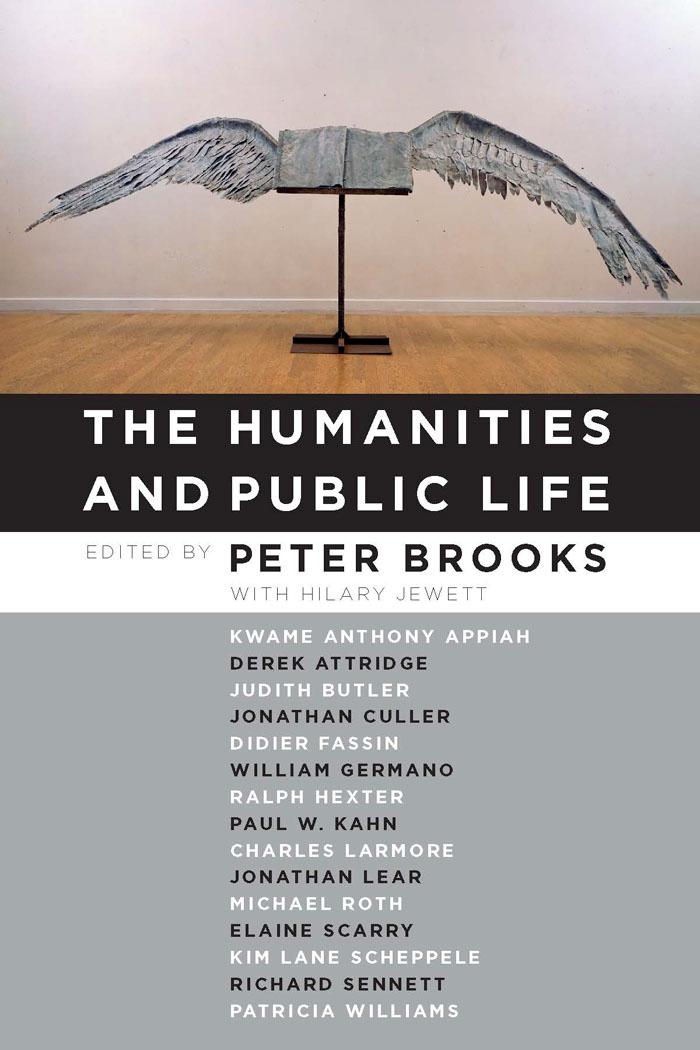
This book tests the proposition that the humanities can, and at their best do, represent a commitment to ethical reading. And that this commitment, and the training and discipline of close reading that underlie it, represent something that the humanities need to bring to other fields: to professional training and to public life.
What leverage does reading, of the attentive sort practiced in the interpretive humanities, give you on life? Does such reading represent or produce an ethics? The question was posed for many in the humanities by the “Torture Memos” released by the Justice Department a few years ago, presenting arguments that justified the use of torture by the U.S. government with the most twisted, ingenious, perverse, and unethical interpretation of legal texts. No one trained in the rigorous analysis of poetry could possibly engage in such bad-faith interpretation without professional conscience intervening to say: This is not possible.
Teaching the humanities appears to many to be an increasingly disempowered profession—and status—within American culture. Yet training in the ability to read critically the messages with which society, politics, and culture bombard us may be more necessary than ever in a world in which the manipulation of minds and hearts
is more and more what running the world is all about.
This volume brings together a group of distinguished scholars and intellectuals to debate the public role and importance of the humanities. Their exchange suggests that Shelley was not wrong to insist that poets are the unacknowledged legislators of mankind: Cultural change carries everything in its wake. The attentive interpretive reading practiced in the humanities ought to be an export commodity to other fields and to take its place in the public sphere.
Before Memmo my notes were scattered across PDFs. Now a workspace pulls everything into one place — I see exactly what's still left to study.
Memmo's summaries are gold before exams. I don't have to re-read 800 pages two weeks before — just the important parts.
The AI chat has saved me the night before an exam more than once. I just keep asking until I get it — no waiting on a study group to reply.
The quizzes hit exactly what I need to know. Memmo tracks what I get stuck on — so I only practice what's worth it.
Flashcards with spaced repetition are magic. Memmo knows when I'm about to forget something and brings it back.
The AI podcasts are my favorite. I listen on my way to school and get a recap without sitting at a computer.

Handbok i kvalitativa metoder
281 kr

Hållbar utveckling: en introduktion för ingenjörer och andra problemlösare
334 kr

Brymans Samhällsvetenskapliga metoder
390 kr

Projektledning
491 kr

Den orättvisa hälsan: om socioekonomiska skillnader i hälsa och livslängd
326 kr

Organizational Leadership
429 kr

Vetenskapsteori för nybörjare
196 kr

På väg mot läraryrket
172 kr

Det sociala livet i skolan: Socialpsykologiska perspektiv
253 kr

Betygsättningens didaktik
151 kr

Personality
402 kr

Studying Leadership
404 kr

Managing Innovation
477 kr

Introduktion till samhällsvetenskaplig metod
347 kr

The Psychology of Sex and Gender
698 kr

Evidens och kunskap för socialt arbete
207 kr

Introduction to Leadership
605 kr