
Before Memmo my notes were scattered across PDFs. Now a workspace pulls everything into one place — I see exactly what's still left to study.
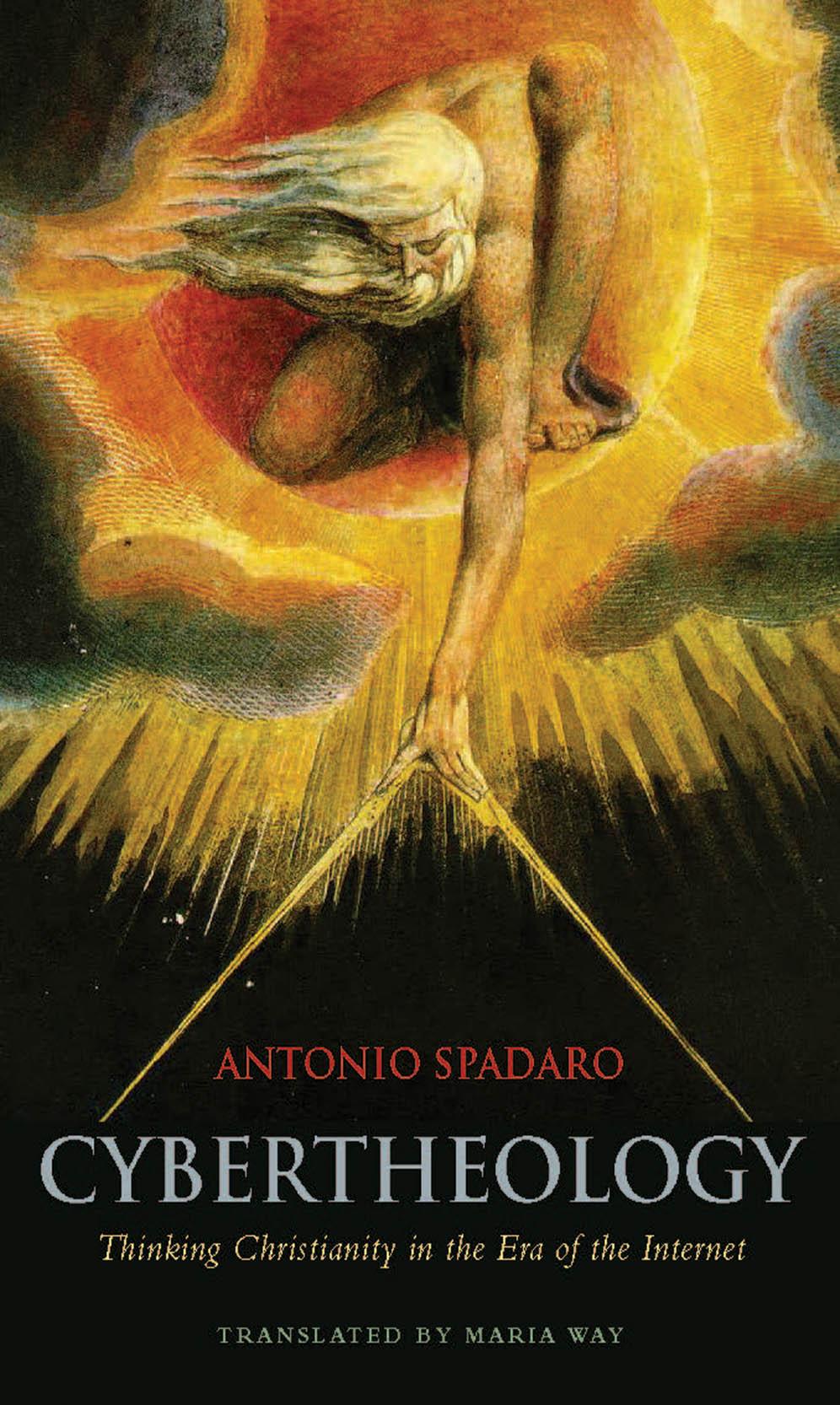
Because the Internet has changed and is changing the ways in which we think and act, it must also be changing the ways in which we think Christianity and its theology. Cybertheology is the first book to explore this process from a Catholic point of view. Drawing on the theoretical work of authors such as Marshall McLuhan, Peter Levy, and Teilhard de Chardin, it questions how technologies redefine not only the ways in which we do things but also our being and therefore the way we perceive reality, the world, others, and God. “Does the digital revolution affect faith in any sense?” Spadaro asks. His answer is an emphatic Yes. But how, then, are we to live well in the age of the Internet?
Spadaro delves deeply into various dimensions of the impact of the Net on the Church and its organization, on our understanding of revelation, grace, liturgy, the sacraments, and other classical theological themes. He rightly points out that the digital environment is not merely an external instrument that facilitates human communication or a purely virtual world, but part of the daily experience of many people, a new “anthropological space” that is reshaping the way we think, know, and express ourselves. Naturally, this calls for a new understanding of faith so that it makes sense to people who live and work in the digital media environment. In developing the notion of cybertheology, Spadaro seeks to propose an intelligence of faith (intellectus fidei) in the era of the Internet.
The book’s chapters include reflections on man the decoder and the search engines of God, networked existence and the mystical body, hacker ethics and Christian vision, sacraments and “virtual presence,” and the theological challenges of collective intelligence.
Before Memmo my notes were scattered across PDFs. Now a workspace pulls everything into one place — I see exactly what's still left to study.
Memmo's summaries are gold before exams. I don't have to re-read 800 pages two weeks before — just the important parts.
The AI chat has saved me the night before an exam more than once. I just keep asking until I get it — no waiting on a study group to reply.
The quizzes hit exactly what I need to know. Memmo tracks what I get stuck on — so I only practice what's worth it.
Flashcards with spaced repetition are magic. Memmo knows when I'm about to forget something and brings it back.
The AI podcasts are my favorite. I listen on my way to school and get a recap without sitting at a computer.

Handbok i kvalitativa metoder
281 kr

Hållbar utveckling: en introduktion för ingenjörer och andra problemlösare
334 kr

Brymans Samhällsvetenskapliga metoder
390 kr

Projektledning
491 kr

Den orättvisa hälsan: om socioekonomiska skillnader i hälsa och livslängd
326 kr

Vetenskapsteori för nybörjare
196 kr

Organizational Leadership
429 kr

På väg mot läraryrket
172 kr

Det sociala livet i skolan: Socialpsykologiska perspektiv
253 kr

Betygsättningens didaktik
151 kr

Personality
402 kr

Studying Leadership
404 kr

Managing Innovation
477 kr

Introduktion till samhällsvetenskaplig metod
347 kr

The Psychology of Sex and Gender
698 kr

Evidens och kunskap för socialt arbete
207 kr

Introduction to Leadership
605 kr