
Before Memmo my notes were scattered across PDFs. Now a workspace pulls everything into one place — I see exactly what's still left to study.
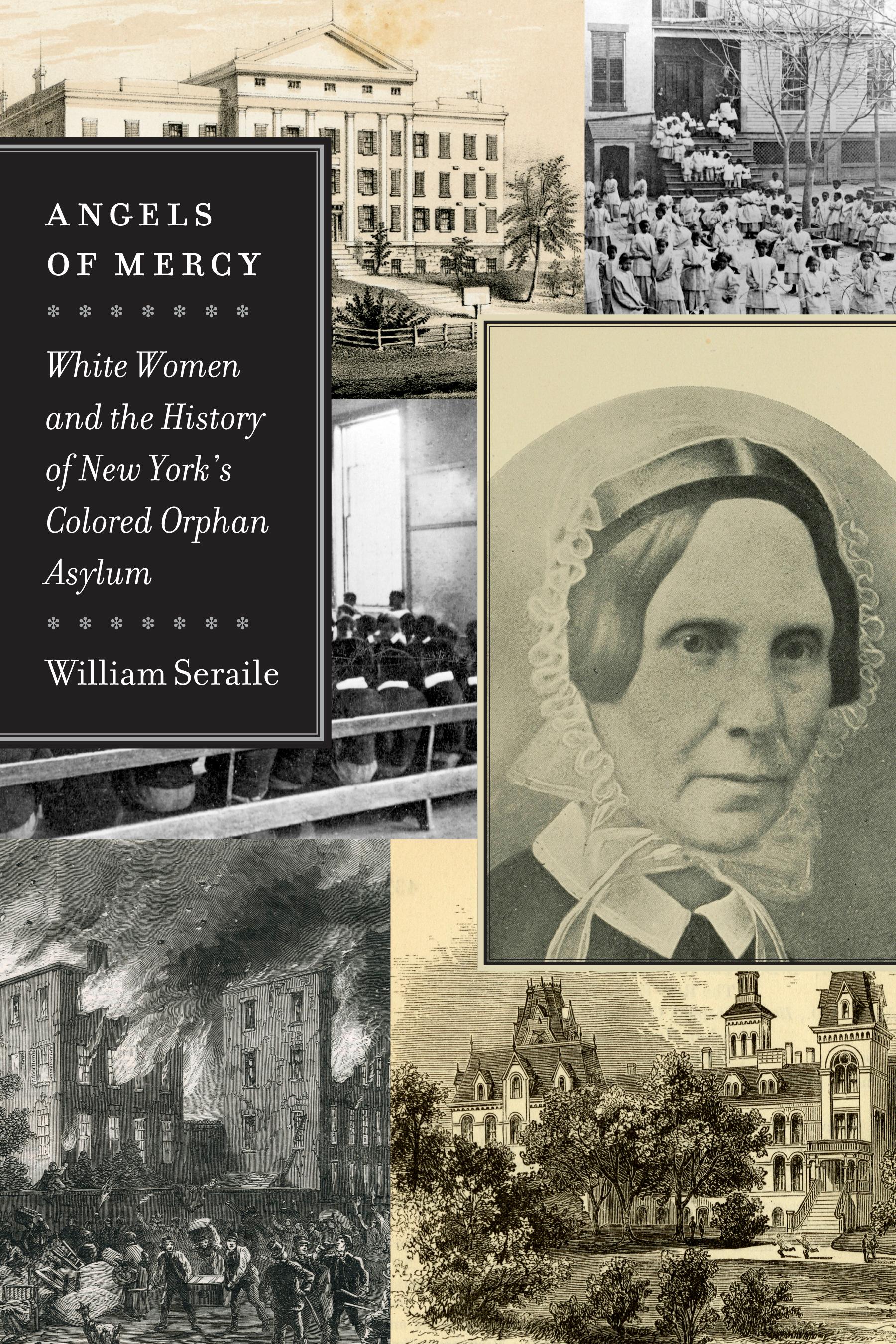
William Seraile uncovers the history of the colored orphan asylum, founded in New York City in 1836 as the nation’s first orphanage for African American children. It is a remarkable institution that is still in the forefront aiding children. Although no longer an orphanage, in its current incarnation as Harlem-Dowling West Side Center for Children and Family Services it maintains the principles of the women who organized it nearly 200 years ago.
The agency weathered three wars, two major financial panics, a devastating fire during the 1863 Draft Riots, several epidemics, waves of racial prejudice, and severe financial difficulties to care for orphaned, neglected, and delinquent children. Eventually financial support would come from some of New York’s finest families, including the Jays, Murrays, Roosevelts, Macys, and Astors.
While the white female managers and their male advisers were dedicated to uplifting these black children, the evangelical, mainly Quaker founding managers also exhibited the extreme paternalistic views endemic at the time, accepting the advice or support of the African American community only grudgingly. It was frank criticism in 1913 from W. E. B. Du Bois that highlighted the conflict between the orphanage and the community it served, and it wasn’t until 1939 that it hired the first black trustee.
More than 15,000 children were raised in the orphanage, and throughout its history letters and visits have revealed that hundreds if not thousands of “old boys and girls” looked back with admiration and respect at the home that nurtured them throughout their formative years.
Weaving together African American history with a unique history of New York City, this is not only a painstaking study of a previously unsung institution of black history but a unique window onto complex racial dynamics during a period when many failed to recognize equality among all citizens as a worthy purpose.
Before Memmo my notes were scattered across PDFs. Now a workspace pulls everything into one place — I see exactly what's still left to study.
Memmo's summaries are gold before exams. I don't have to re-read 800 pages two weeks before — just the important parts.
The AI chat has saved me the night before an exam more than once. I just keep asking until I get it — no waiting on a study group to reply.
The quizzes hit exactly what I need to know. Memmo tracks what I get stuck on — so I only practice what's worth it.
Flashcards with spaced repetition are magic. Memmo knows when I'm about to forget something and brings it back.
The AI podcasts are my favorite. I listen on my way to school and get a recap without sitting at a computer.

Handbok i kvalitativa metoder
281 kr

Hållbar utveckling: en introduktion för ingenjörer och andra problemlösare
334 kr

Brymans Samhällsvetenskapliga metoder
390 kr

Projektledning
491 kr

Den orättvisa hälsan: om socioekonomiska skillnader i hälsa och livslängd
326 kr

Vetenskapsteori för nybörjare
196 kr

Organizational Leadership
429 kr

På väg mot läraryrket
172 kr

Det sociala livet i skolan: Socialpsykologiska perspektiv
253 kr

Betygsättningens didaktik
151 kr

Personality
402 kr

Studying Leadership
404 kr

Managing Innovation
477 kr

Introduktion till samhällsvetenskaplig metod
347 kr

The Psychology of Sex and Gender
698 kr

Evidens och kunskap för socialt arbete
207 kr

Introduction to Leadership
605 kr