
Before Memmo my notes were scattered across PDFs. Now a workspace pulls everything into one place — I see exactly what's still left to study.
The title of this book translates one of the many ways in which Lucretius names the basic matter from which the world is made in De rerum natura. In Lucretius, and in the strain of thought followed in this study, matter is always in motion, always differing from itself and yet always also made of the same stuff. From the pious Lucy Hutchinson’s all but complete translation of the Roman epic poem to Margaret Cavendish’s repudiation of atomism (but not of its fundamental problematic of sameness and difference), a central concern of this book is
how a thoroughgoing materialism can be read alongside other strains in the thought of the early modern period, particularly Christianity.
A chapter moves from Milton’s monism to his angels and their insistent corporeality. Milton’s angels have sex, and, throughout, this study emphasizes the consequences for thinking about sexuality offered by Lucretian materialism. Sameness of matter is not simply a question of same-sex sex, and the relations of atoms in Cavendish and Hutchinson are replicated in the terms in which they imagine marriages of partners who are also their doubles. Likewise, Spenser’s knights in the 1590 Faerie Queene pursue the virtues of Holiness, Temperance, and Chastity in quests that take the reader on a path of askesis of the kind that Lucretius
recommends and that Foucault studied in the final volumes of his history of sexuality.
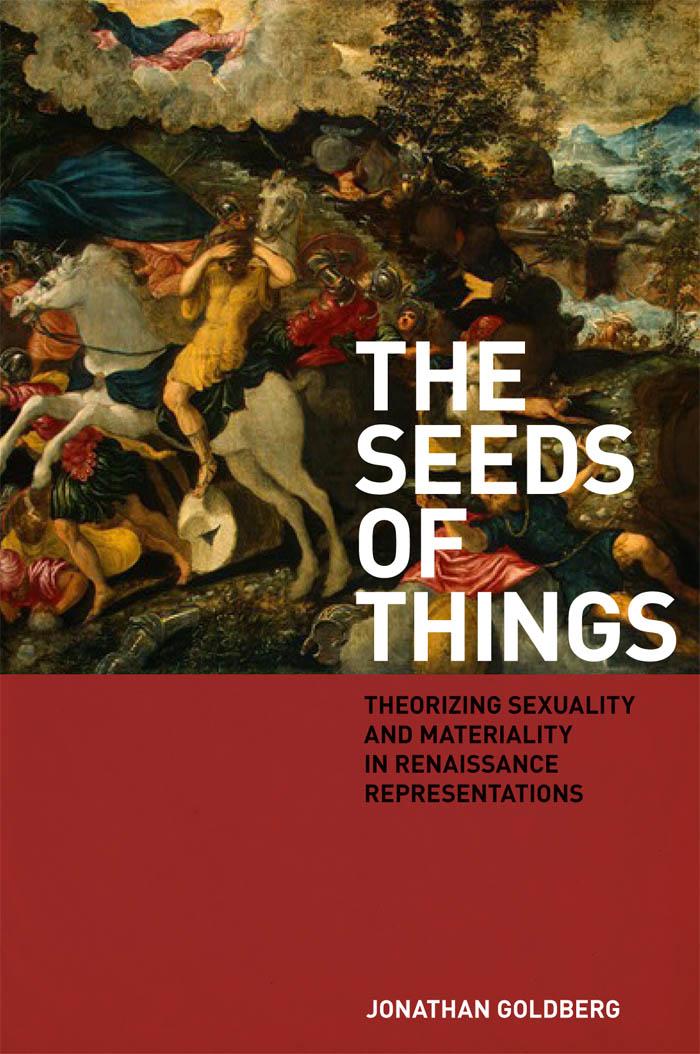
Although English literature is the book’s main concern, it first contemplates relations between Lucretian matter and Pauline flesh by way of Tintoretto’s painting The Conversion of St. Paul. Theoretical issues raised in the work of Agamben and Badiou, among others, lead to a chapter that takes up the role that Lucretius has played in theory, from Bergson and Marx to Foucault and Deleuze.
This study should be of concern to students of religion, philosophy, gender, and sexuality, especially as they impinge on questions of representation.
Before Memmo my notes were scattered across PDFs. Now a workspace pulls everything into one place — I see exactly what's still left to study.
Memmo's summaries are gold before exams. I don't have to re-read 800 pages two weeks before — just the important parts.
The AI chat has saved me the night before an exam more than once. I just keep asking until I get it — no waiting on a study group to reply.
The quizzes hit exactly what I need to know. Memmo tracks what I get stuck on — so I only practice what's worth it.
Flashcards with spaced repetition are magic. Memmo knows when I'm about to forget something and brings it back.
The AI podcasts are my favorite. I listen on my way to school and get a recap without sitting at a computer.

Handbok i kvalitativa metoder
281 kr

Hållbar utveckling: en introduktion för ingenjörer och andra problemlösare
334 kr

Brymans Samhällsvetenskapliga metoder
390 kr

Projektledning
491 kr

Den orättvisa hälsan: om socioekonomiska skillnader i hälsa och livslängd
326 kr

Organizational Leadership
429 kr

Vetenskapsteori för nybörjare
196 kr

På väg mot läraryrket
172 kr

Det sociala livet i skolan: Socialpsykologiska perspektiv
253 kr

Betygsättningens didaktik
151 kr

Personality
402 kr

Studying Leadership
404 kr

Managing Innovation
477 kr

Introduktion till samhällsvetenskaplig metod
347 kr

The Psychology of Sex and Gender
698 kr

Evidens och kunskap för socialt arbete
207 kr

Introduction to Leadership
605 kr