
Before Memmo my notes were scattered across PDFs. Now a workspace pulls everything into one place — I see exactly what's still left to study.
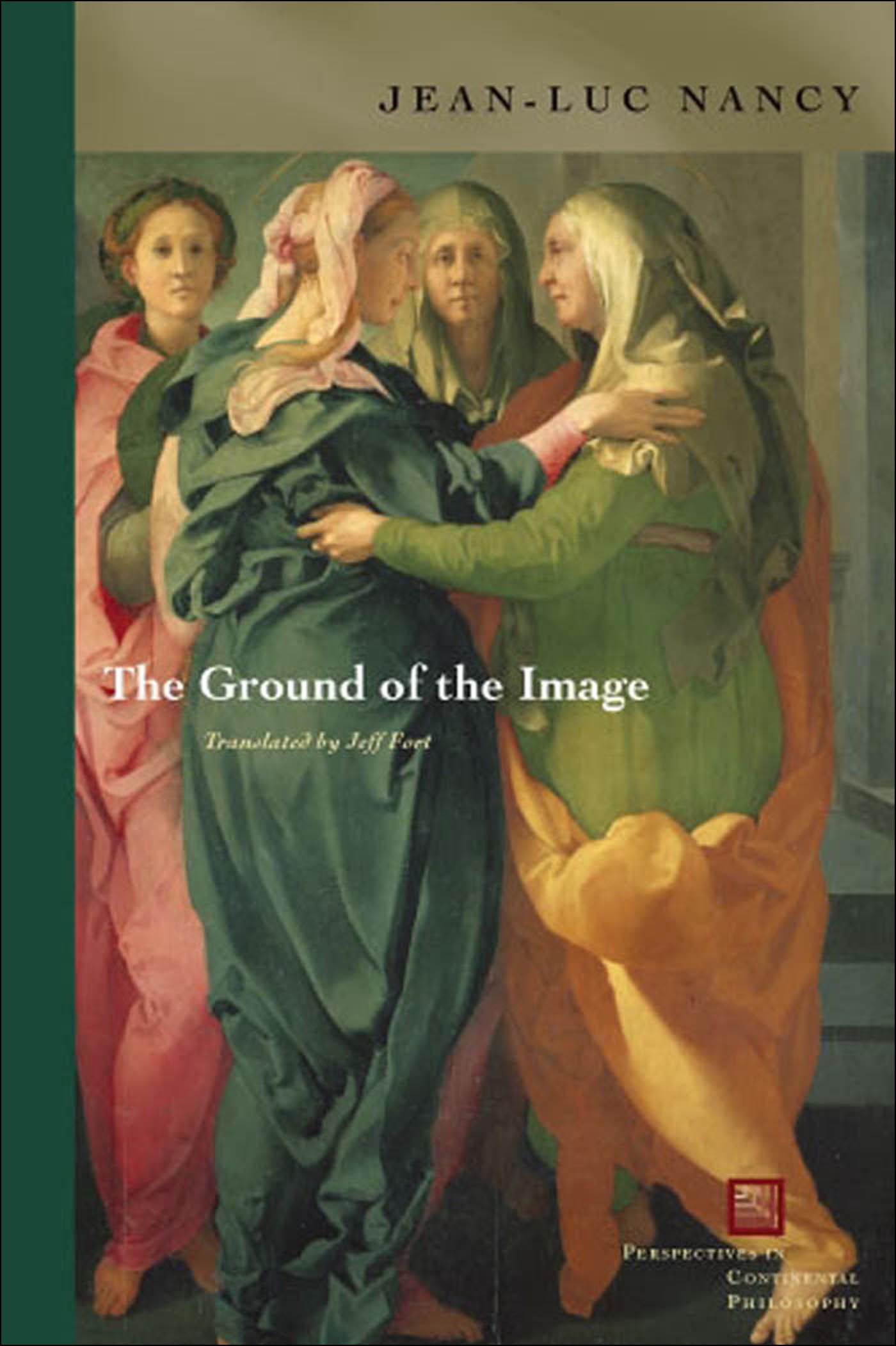
If anything marks the image, it is a deep ambivalence. Denounced as superficial, illusory, and groundless, images are at the same time attributed with exorbitant power and assigned a privileged relation to truth. Mistrusted by philosophy, forbidden and embraced by religions, manipulated as “spectacle” and proliferated in the media, images never cease to present their multiple aspects, their paradoxes, their flat but receding spaces.
What is this power that lies in the depths and recesses of an image—which is always only an impenetrable surface? What secrets are concealed in the ground or in the figures of an image—which never does anything but show just exactly what it is and nothing else? How does the immanence of images open onto their unimaginable others, their imageless origin?
In this collection of writings on images and visual art, Jean-Luc Nancy explores such questions through an extraordinary range of references. From Renaissance painting and landscape to photography and video, from the image of Roman death masks to the language of silent film, from Cleopatra to Kant and Heidegger, Nancy pursues a reflection on visuality that goes far beyond the many disciplines with which it intersects. He offers insights into the religious, cultural, political, art historical, and philosophical aspects of the visual relation, treating such vexed problems as the connection between image and violence, the sacred status of images, and, in a profound and important essay, the forbidden representation of the Shoah. In the background of all these investigations lies a preoccupation with finitude, the unsettling forces envisaged by the images that confront us, the limits that bind us to them, the death that stares back at us from their frozen traits and distant intimacies.
In these vibrant and complex essays, a central figure in European philosophy continues to work through some of the most important questions of our time.
Before Memmo my notes were scattered across PDFs. Now a workspace pulls everything into one place — I see exactly what's still left to study.
Memmo's summaries are gold before exams. I don't have to re-read 800 pages two weeks before — just the important parts.
The AI chat has saved me the night before an exam more than once. I just keep asking until I get it — no waiting on a study group to reply.
The quizzes hit exactly what I need to know. Memmo tracks what I get stuck on — so I only practice what's worth it.
Flashcards with spaced repetition are magic. Memmo knows when I'm about to forget something and brings it back.
The AI podcasts are my favorite. I listen on my way to school and get a recap without sitting at a computer.

Handbok i kvalitativa metoder
281 kr

Hållbar utveckling: en introduktion för ingenjörer och andra problemlösare
334 kr

Brymans Samhällsvetenskapliga metoder
390 kr

Projektledning
491 kr

Den orättvisa hälsan: om socioekonomiska skillnader i hälsa och livslängd
326 kr

Vetenskapsteori för nybörjare
196 kr

Organizational Leadership
429 kr

På väg mot läraryrket
172 kr

Det sociala livet i skolan: Socialpsykologiska perspektiv
253 kr

Betygsättningens didaktik
151 kr

Personality
402 kr

Studying Leadership
404 kr

Managing Innovation
477 kr

Introduktion till samhällsvetenskaplig metod
347 kr

The Psychology of Sex and Gender
698 kr

Evidens och kunskap för socialt arbete
207 kr

Introduction to Leadership
605 kr