
Before Memmo my notes were scattered across PDFs. Now a workspace pulls everything into one place — I see exactly what's still left to study.
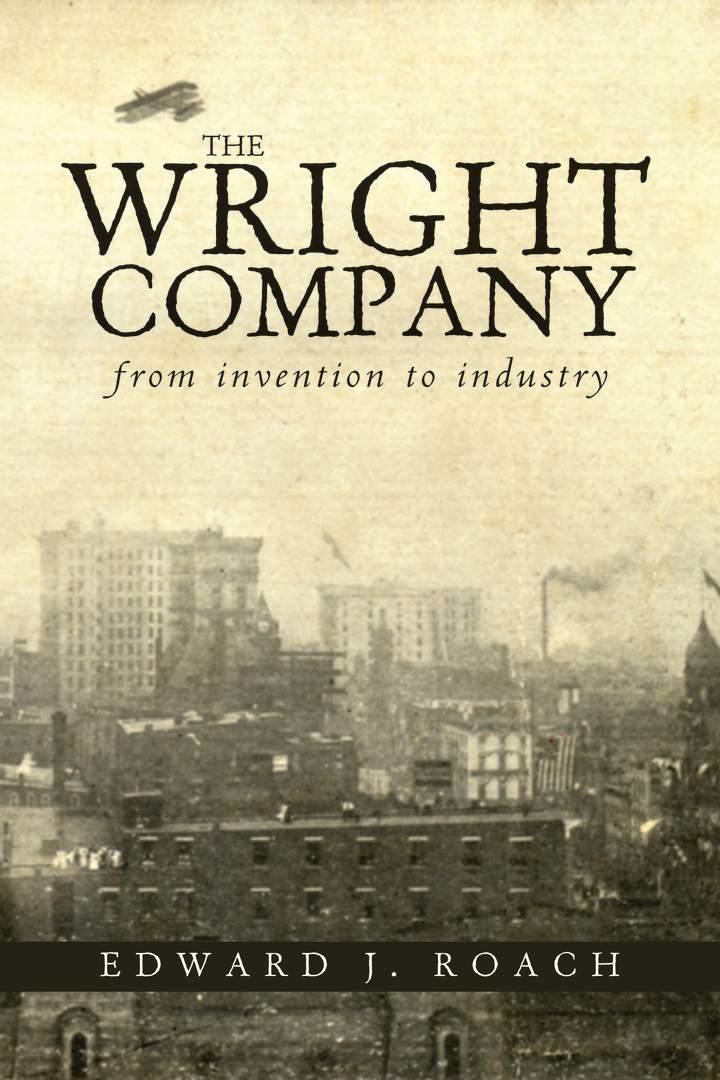
Fresh from successful flights before royalty in Europe, and soon after thrilling hundreds of thousands of people by flying around the Statue of Liberty, in the fall of 1909 Wilbur and Orville Wright decided the time was right to begin manufacturing their airplanes for sale. Backed by Wall Street tycoons, including August Belmont, Cornelius Vanderbilt III, and Andrew Freedman, the brothers formed the Wright Company. The Wright Company trained hundreds of early aviators at its flight schools, including Roy Brown, the Canadian pilot credited with shooting down Manfred von Richtofen—the “Red Baron”—during the First World War; and Hap Arnold, the commander of the U.S. Army Air Forces during the Second World War. Pilots with the company’s exhibition department thrilled crowds at events from Winnipeg to Boston, Corpus Christi to Colorado Springs. Cal Rodgers flew a Wright Company airplane in pursuit of the $50,000 Hearst Aviation Prize in 1911.
But all was not well in Dayton, a city that hummed with industry, producing cash registers, railroad cars, and many other products. The brothers found it hard to transition from running their own bicycle business to being corporate executives responsible for other people’s money. Their dogged pursuit of enforcement of their 1906 patent—especially against Glenn Curtiss and his company—helped hold back the development of the U.S. aviation industry. When Orville Wright sold the company in 1915, more than three years after his brother’s death, he was a comfortable man—but his company had built only 120 airplanes at its Dayton factory and Wright Company products were not in the U.S. arsenal as war continued in Europe.
Edward Roach provides a fascinating window into the legendary Wright Company, its place in Dayton, its management struggles, and its effects on early U.S. aviation.
Before Memmo my notes were scattered across PDFs. Now a workspace pulls everything into one place — I see exactly what's still left to study.
Memmo's summaries are gold before exams. I don't have to re-read 800 pages two weeks before — just the important parts.
The AI chat has saved me the night before an exam more than once. I just keep asking until I get it — no waiting on a study group to reply.
The quizzes hit exactly what I need to know. Memmo tracks what I get stuck on — so I only practice what's worth it.
Flashcards with spaced repetition are magic. Memmo knows when I'm about to forget something and brings it back.
The AI podcasts are my favorite. I listen on my way to school and get a recap without sitting at a computer.

Handbok i kvalitativa metoder
281 kr

Hållbar utveckling: en introduktion för ingenjörer och andra problemlösare
334 kr

Brymans Samhällsvetenskapliga metoder
390 kr

Projektledning
491 kr

Den orättvisa hälsan: om socioekonomiska skillnader i hälsa och livslängd
326 kr

Vetenskapsteori för nybörjare
196 kr

Organizational Leadership
429 kr

På väg mot läraryrket
172 kr

Det sociala livet i skolan: Socialpsykologiska perspektiv
253 kr

Betygsättningens didaktik
151 kr

Personality
402 kr

Studying Leadership
404 kr

Managing Innovation
477 kr

Introduktion till samhällsvetenskaplig metod
347 kr

The Psychology of Sex and Gender
698 kr

Evidens och kunskap för socialt arbete
207 kr

Introduction to Leadership
605 kr