
Before Memmo my notes were scattered across PDFs. Now a workspace pulls everything into one place — I see exactly what's still left to study.
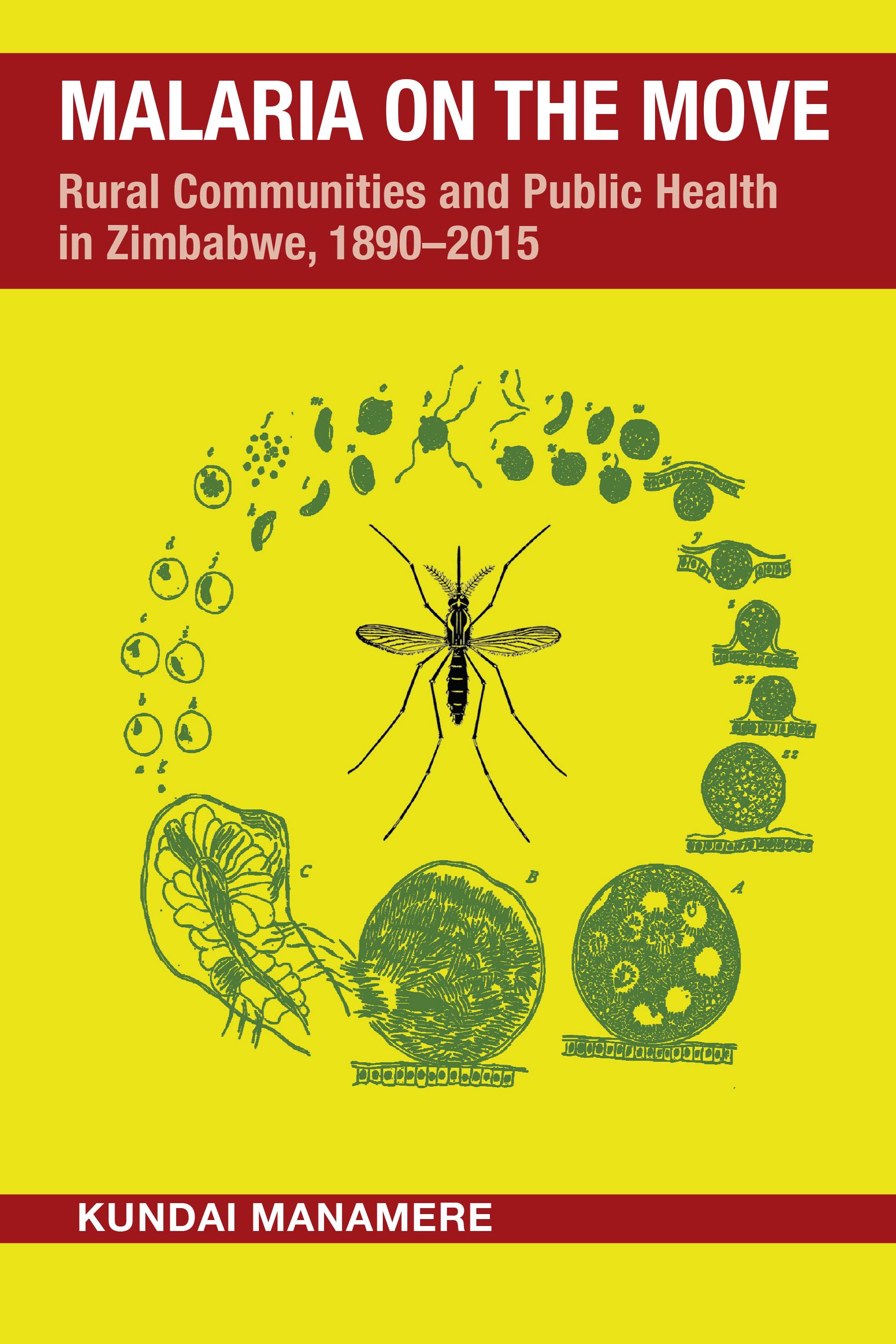
Malaria on the Move explores the socioeconomic aspects of endemic malaria in the southeastern lowveld of Zimbabwe. The book provides a historical analysis of malaria control and eradication programs in Rhodesia and independent Zimbabwe from the late nineteenth century to 2015. Kundai Manamere draws connections between malaria epidemiology and human mobility relating to large- and small-scale farming, labor migration, colonial displacement, war, and rural-to-urban movements. She examines how circular labor migration and rural travel influence the risk of malaria for individuals and communities and shows how migration and travel have spread the disease and impeded control efforts. More importantly, the book demonstrates that the need to travel for work is an indicator of a local hierarchy of priorities. It reaffirms the urgent need for partners in malaria control to consider local socioeconomic factors in the design and implementation of intervention programs. The inclusion of local contexts, perspectives, and voices in formulating national and global public health policies and interventions is critical to addressing public noncooperation.
To date, biomedical studies of malaria outnumber socioeconomic and political studies of the disease. Manamere advocates for a multipronged approach that goes beyond standard scientific research methods. Her approach incorporates how socioeconomic considerations of recipient communities influence malaria epidemiology, local perceptions of the disease, and responses to interventions. This context is particularly important for understanding why malaria has remained a global health challenge and why so many interventions have failed. Scientifically, malaria is a disease of the landscape, and its ecological complexity poses challenges to its eradication. Yet biological and ecological landscapes are not exclusive factors in the spread of disease; as Manamere demonstrates, the socioeconomic environment is equally important.
Before Memmo my notes were scattered across PDFs. Now a workspace pulls everything into one place — I see exactly what's still left to study.
Memmo's summaries are gold before exams. I don't have to re-read 800 pages two weeks before — just the important parts.
The AI chat has saved me the night before an exam more than once. I just keep asking until I get it — no waiting on a study group to reply.
The quizzes hit exactly what I need to know. Memmo tracks what I get stuck on — so I only practice what's worth it.
Flashcards with spaced repetition are magic. Memmo knows when I'm about to forget something and brings it back.
The AI podcasts are my favorite. I listen on my way to school and get a recap without sitting at a computer.

Handbok i kvalitativa metoder
281 kr

Hållbar utveckling: en introduktion för ingenjörer och andra problemlösare
334 kr

Brymans Samhällsvetenskapliga metoder
390 kr

Projektledning
491 kr

Den orättvisa hälsan: om socioekonomiska skillnader i hälsa och livslängd
326 kr

Organizational Leadership
429 kr

Vetenskapsteori för nybörjare
196 kr

På väg mot läraryrket
172 kr

Det sociala livet i skolan: Socialpsykologiska perspektiv
253 kr

Betygsättningens didaktik
151 kr

Personality
402 kr

Studying Leadership
404 kr

Managing Innovation
477 kr

Introduktion till samhällsvetenskaplig metod
347 kr

The Psychology of Sex and Gender
698 kr

Evidens och kunskap för socialt arbete
207 kr

Introduction to Leadership
605 kr