
Before Memmo my notes were scattered across PDFs. Now a workspace pulls everything into one place — I see exactly what's still left to study.
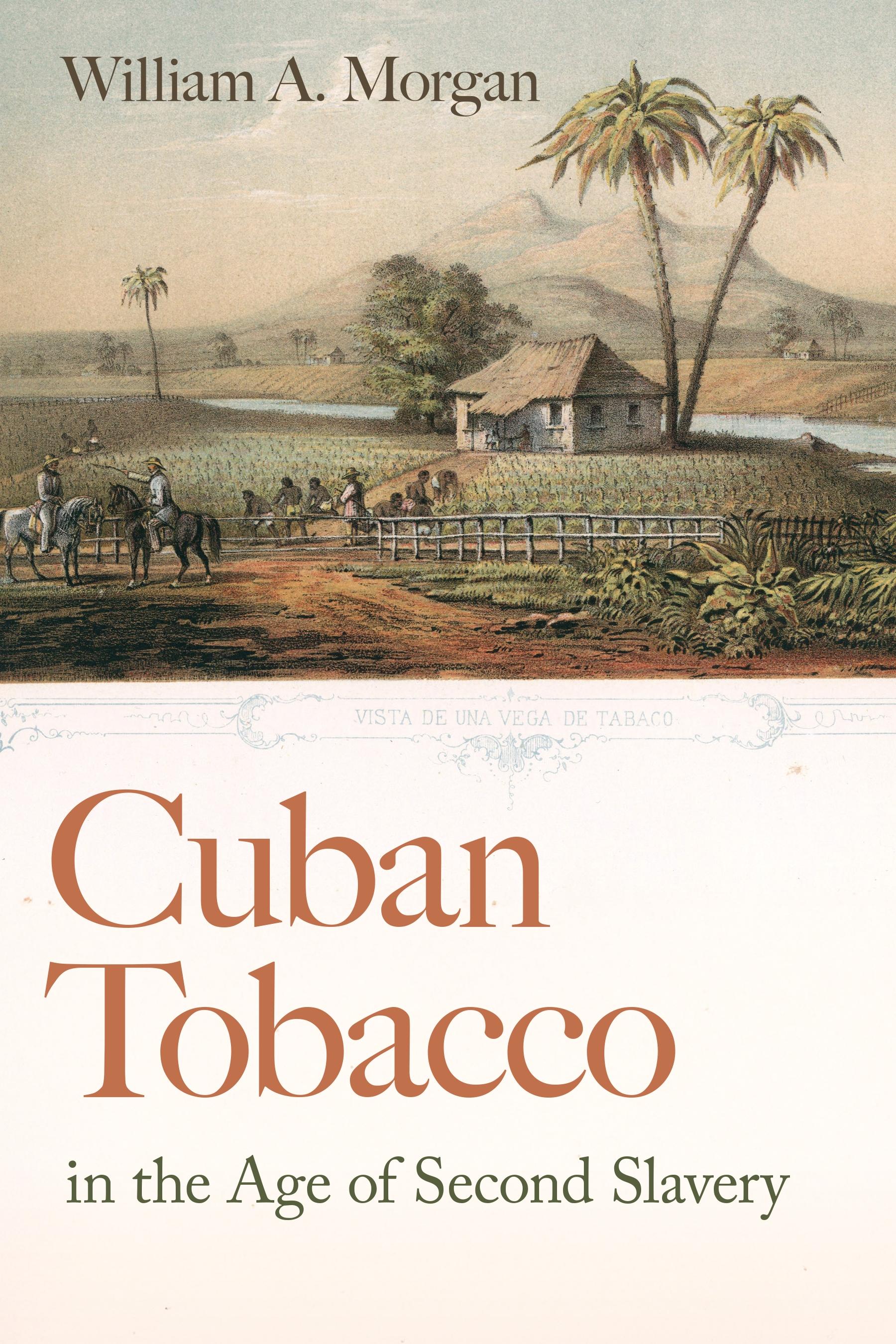
By 1865, more than 750,000 enslaved Africans had arrived in Cuba, making it the leading Spanish American slave colony and the epicenter of slavery in the Atlantic. At the height of the global tobacco economy, tens of thousands of these slaves labored in Pinar del Río, Cuba—a region devoted exclusively to tobacco cultivation. These enslaved people were responsible for exporting a record fourteen million pounds of raw tobacco per year, leaving one contemporary writer to argue that no agricultural economy produced more value, in proportion to the capital and labor employed, than tobacco. While tobacco was second only to sugar in export significance and in the number of rural enslaved, tobacco was unequivocally as dependent on enslaved labor as the more infamous export. Despite Cuba being one of the first-introduced and last-abolished slave societies in the Atlantic world, this slave economy remains largely ignored, existing outside the considerable and recent scholarship on the region.
Cuban Tobacco in the Age of Second Slavery directly refutes the myth of tobacco as a small-scale, family, and free-labor crop promoted by both contemporary and current scholarship. It also rejects the prevailing use of sugar as the model for epitomizing Cuban slavery—a paradigm that obscures the full measure of diversity in this region and era. Arguing tobacco was more counterpart than counterpoint to sugar, Cuban Tobacco in the Age of Second Slavery focuses on the development of tobacco as a plantation economy—and the exponential increase in forced labor supporting it—to suggest an alternative narrative in understanding both Cuban and Atlantic slavery in this period.
Before Memmo my notes were scattered across PDFs. Now a workspace pulls everything into one place — I see exactly what's still left to study.
Memmo's summaries are gold before exams. I don't have to re-read 800 pages two weeks before — just the important parts.
The AI chat has saved me the night before an exam more than once. I just keep asking until I get it — no waiting on a study group to reply.
The quizzes hit exactly what I need to know. Memmo tracks what I get stuck on — so I only practice what's worth it.
Flashcards with spaced repetition are magic. Memmo knows when I'm about to forget something and brings it back.
The AI podcasts are my favorite. I listen on my way to school and get a recap without sitting at a computer.

Handbok i kvalitativa metoder
281 kr

Hållbar utveckling: en introduktion för ingenjörer och andra problemlösare
334 kr

Brymans Samhällsvetenskapliga metoder
390 kr

Projektledning
491 kr

Den orättvisa hälsan: om socioekonomiska skillnader i hälsa och livslängd
326 kr

Vetenskapsteori för nybörjare
196 kr

Organizational Leadership
429 kr

På väg mot läraryrket
172 kr

Det sociala livet i skolan: Socialpsykologiska perspektiv
253 kr

Betygsättningens didaktik
151 kr

Personality
402 kr

Studying Leadership
404 kr

Managing Innovation
477 kr

Introduktion till samhällsvetenskaplig metod
347 kr

The Psychology of Sex and Gender
698 kr

Evidens och kunskap för socialt arbete
207 kr

Introduction to Leadership
605 kr