
Before Memmo my notes were scattered across PDFs. Now a workspace pulls everything into one place — I see exactly what's still left to study.
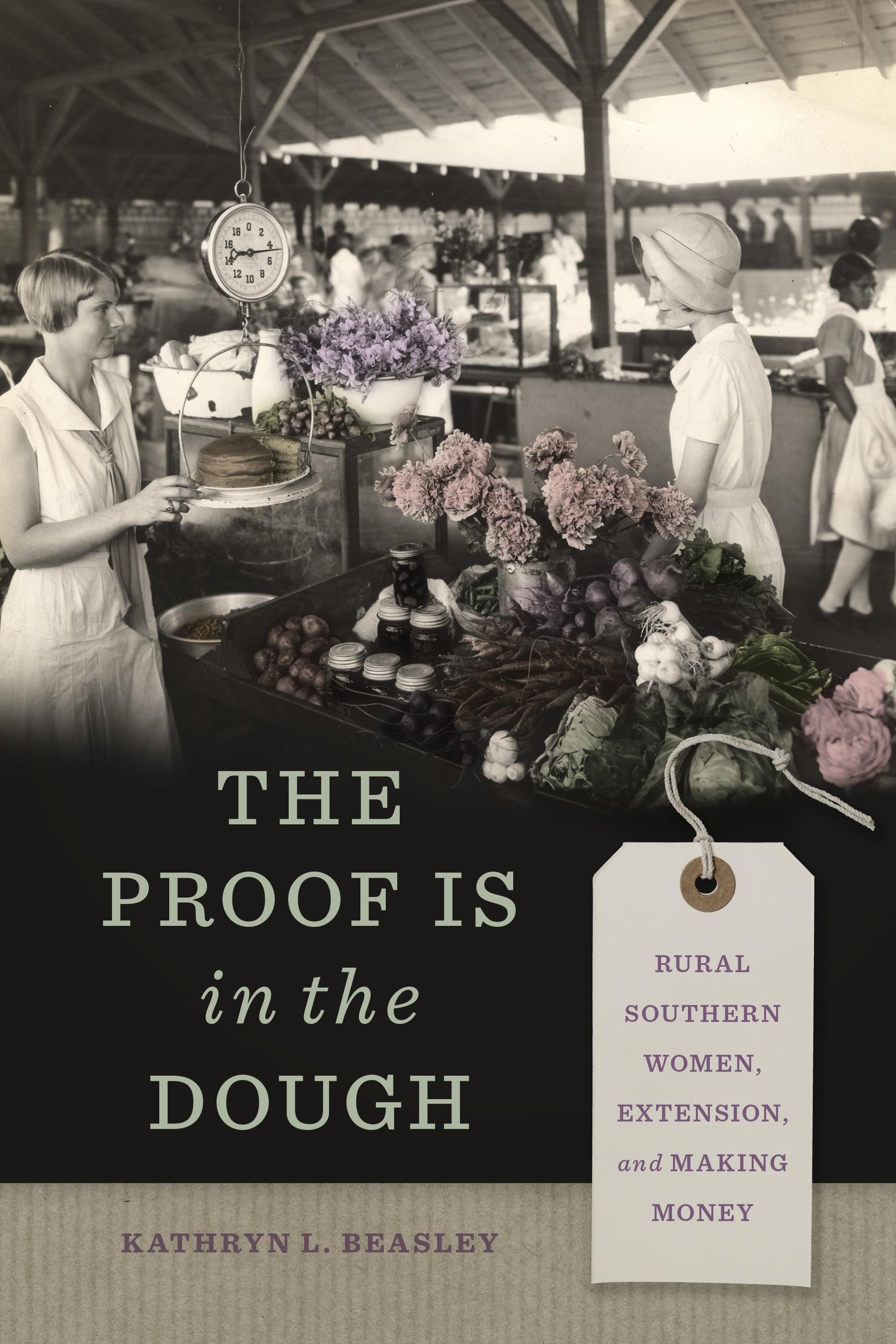
The Proof Is in the Dough examines how rural white and African American women in Alabama and Florida used the Cooperative Extension Service’s home demonstration programming between 1914 and 1929 as a means to earn extra income. Kathryn L. Beasley explores an area of rural women’s history that has not been closely examined—that is, how rural American women involved with home demonstration used the skills they learned as a way to better themselves economically. Furthermore, Beasley traces how this extra income allowed these women to shape their own producing and consuming habits.
While most home demonstration programming during the Progressive Era and 1920s focused on ways to save money—among other objectives—rural women in Alabama and Florida used different strategies to earn more money and gain some economic independence. Beasley’s research shows how Alabama and Florida’s rural women exercised their own determination and resourcefulness to create ways to economically sustain themselves by using food, tangible items, handicrafts, small businesses, and more to their advantage.
However, while there were similarities in how these rural women earned extra money, the states in which they lived differed in important agricultural ways. Florida offered a wider variety of growing and environmental seasons and, as a result, a larger diversity of crops. By taking a comparative approach—both Florida versus Alabama and Black versus white—Beasley details the unique and innovative ways that rural southern women applied their considerable agricultural and domestic skills to improve their lives and the lives of their families. In so doing, she also reveals how disposable income helped establish ideas of empowerment and financial independence in the years before the economic struggles of the 1930s.
Before Memmo my notes were scattered across PDFs. Now a workspace pulls everything into one place — I see exactly what's still left to study.
Memmo's summaries are gold before exams. I don't have to re-read 800 pages two weeks before — just the important parts.
The AI chat has saved me the night before an exam more than once. I just keep asking until I get it — no waiting on a study group to reply.
The quizzes hit exactly what I need to know. Memmo tracks what I get stuck on — so I only practice what's worth it.
Flashcards with spaced repetition are magic. Memmo knows when I'm about to forget something and brings it back.
The AI podcasts are my favorite. I listen on my way to school and get a recap without sitting at a computer.

Handbok i kvalitativa metoder
281 kr

Hållbar utveckling: en introduktion för ingenjörer och andra problemlösare
334 kr

Brymans Samhällsvetenskapliga metoder
390 kr

Projektledning
491 kr

Den orättvisa hälsan: om socioekonomiska skillnader i hälsa och livslängd
326 kr

Organizational Leadership
429 kr

Vetenskapsteori för nybörjare
196 kr

På väg mot läraryrket
172 kr

Det sociala livet i skolan: Socialpsykologiska perspektiv
253 kr

Betygsättningens didaktik
151 kr

Personality
402 kr

Studying Leadership
404 kr

Managing Innovation
477 kr

Introduktion till samhällsvetenskaplig metod
347 kr

The Psychology of Sex and Gender
698 kr

Evidens och kunskap för socialt arbete
207 kr

Introduction to Leadership
605 kr