
Before Memmo my notes were scattered across PDFs. Now a workspace pulls everything into one place — I see exactly what's still left to study.
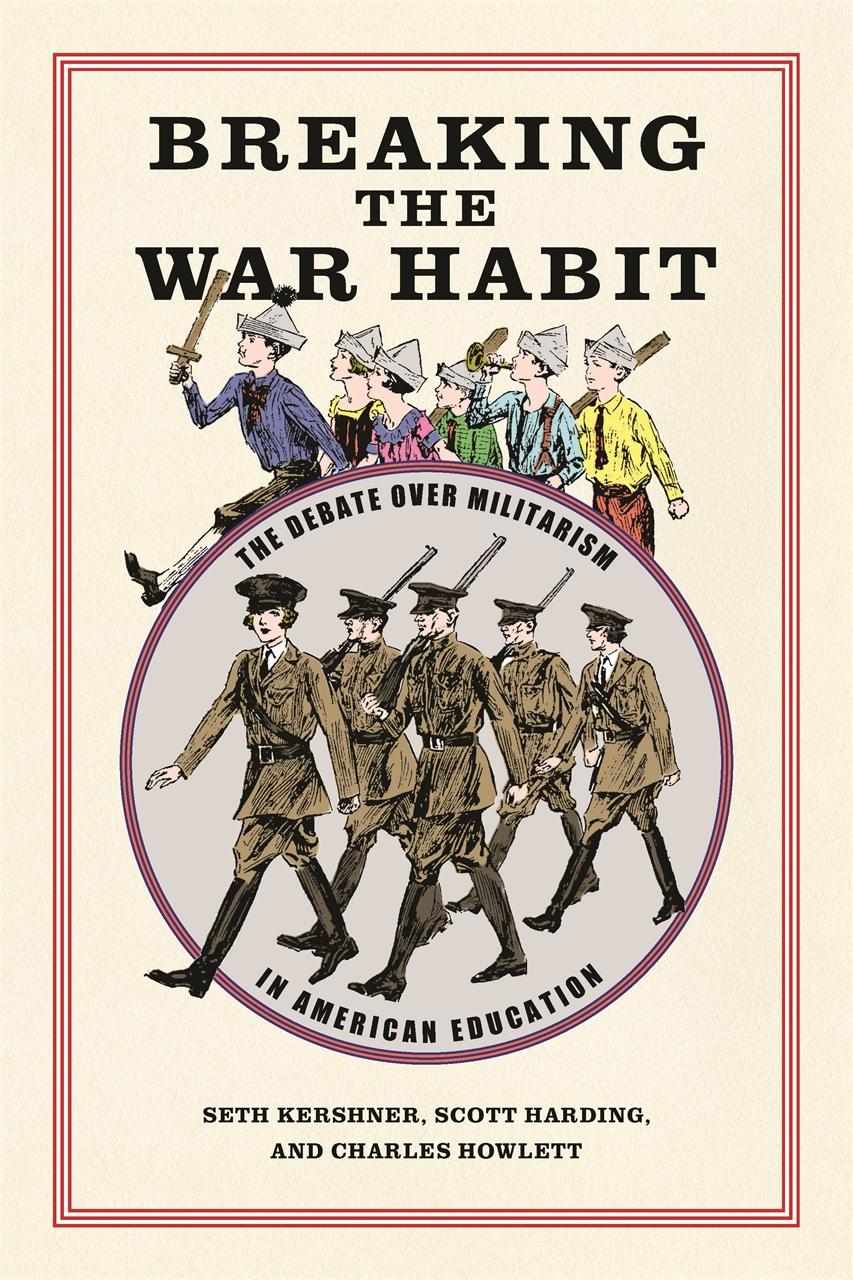
The Pentagon currently spends around $1.4 billion per year on recruiting and hundreds of millions annually on other marketing initiatives intended to convince the public to enlist—costly efforts to ensure a steady stream of new soldiers. The most important part of this effort is the Pentagon’s decades-long drive to win over the teenage mind by establishing a beachhead in American high schools and colleges.
Breaking the War Habit provides an original consideration of the militarization of schools in the United States and explores the prolonged battle to prevent the military from infiltrating and influencing public education. Focused on the Junior Reserve
Officer Training Corps (JROTC) in high schools and the Reserve Officer Training Corps (ROTC) in higher education, the authors expose the pervasive influence and economic leverage bestowed on the military as it recruits children and youth.
Breaking the War Habit highlights those who have resisted the privileged status of the military and successfully challenged its position on campuses across the country. A “scrappy band of activists,” the Committee on Militarism in Education (CME) initiated this work following World War I, publicizing the rise of school militarism and its implications. For two decades, CME’s activism shaped public debate over the meaning of militarism in U.S. society and education settings, resulting in numerous victories against ROTC and JROTC programs. The authors also explore how, since the mid-1970s, military “counter-recruiters” have contested military recruiters’ largely unchecked access to high school students, raising awareness of a “school-to-military pipeline” that concentrates recruitment in urban (predominantly Black and low-income) regions.
Before Memmo my notes were scattered across PDFs. Now a workspace pulls everything into one place — I see exactly what's still left to study.
Memmo's summaries are gold before exams. I don't have to re-read 800 pages two weeks before — just the important parts.
The AI chat has saved me the night before an exam more than once. I just keep asking until I get it — no waiting on a study group to reply.
The quizzes hit exactly what I need to know. Memmo tracks what I get stuck on — so I only practice what's worth it.
Flashcards with spaced repetition are magic. Memmo knows when I'm about to forget something and brings it back.
The AI podcasts are my favorite. I listen on my way to school and get a recap without sitting at a computer.

Handbok i kvalitativa metoder
281 kr

Hållbar utveckling: en introduktion för ingenjörer och andra problemlösare
334 kr

Brymans Samhällsvetenskapliga metoder
390 kr

Projektledning
491 kr

Den orättvisa hälsan: om socioekonomiska skillnader i hälsa och livslängd
326 kr

Organizational Leadership
429 kr

Vetenskapsteori för nybörjare
196 kr

På väg mot läraryrket
172 kr

Det sociala livet i skolan: Socialpsykologiska perspektiv
253 kr

Betygsättningens didaktik
151 kr

Personality
402 kr

Studying Leadership
404 kr

Managing Innovation
477 kr

Introduktion till samhällsvetenskaplig metod
347 kr

The Psychology of Sex and Gender
698 kr

Evidens och kunskap för socialt arbete
207 kr

Introduction to Leadership
605 kr