
Before Memmo my notes were scattered across PDFs. Now a workspace pulls everything into one place — I see exactly what's still left to study.
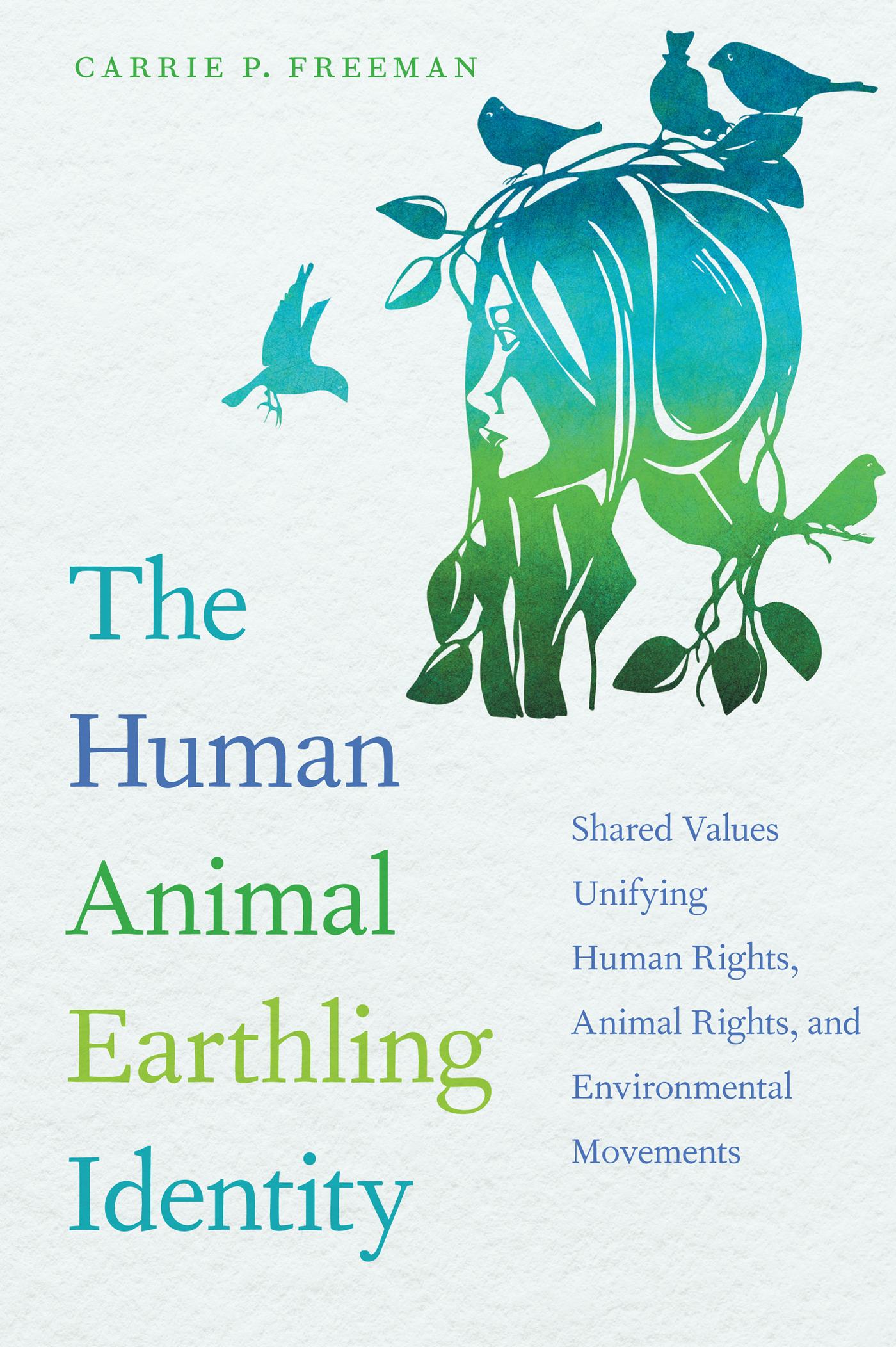
With The Human Animal Earthling Identity Carrie P. Freeman asks us to reconsider the devastating division we have created between the human and animal conditions, leading to mass exploitation, injustice, and extinction. As a remedy, Freeman believes social movements should collectively foster a cultural shift in human identity away from an egoistic anthropocentrism (human-centered outlook) and toward a universal altruism (species-centered ethic), so people may begin to see themselves more broadly as “human animal earthlings.”
To formulate the basis for this identity shift, Freeman examines overlapping values (supporting life, fairness, responsibility, and unity) that are common in global rights declarations and in the current campaign messages of sixteen global social movement organizations that work on human/civil rights, nonhuman animal protection, and/or environmental issues, such as Amnesty International, Human Rights Watch, CARE, People for the Ethical Treatment of Animals, the World Wildlife Fund, the Sea Shepherd Conservation Society, the Nature Conservancy, the Rainforest Action Network, and Greenpeace. She also interviews the leaders of these advocacy groups to gain their insights on how human and nonhuman protection causes can become allies by engaging common opponents and activating shared values and goals on issues such as the climate crisis, enslavement, extinction, pollution, inequality, destructive farming and fishing, and threats to democracy.
Freeman’s analysis of activist discourse considers ethical ideologies on behalf of social justice, animal rights, and environmentalism, using animal rights’ respect for sentient individuals as a bridge connecting human rights to a more holistic valuing of species and ecological systems. Ultimately, Freeman uses her findings to recommend a set of universal values around which all social movements’ campaign messages can collectively cultivate respectful relations between “human animal earthlings,” fellow sentient beings, and the natural world we share.
Before Memmo my notes were scattered across PDFs. Now a workspace pulls everything into one place — I see exactly what's still left to study.
Memmo's summaries are gold before exams. I don't have to re-read 800 pages two weeks before — just the important parts.
The AI chat has saved me the night before an exam more than once. I just keep asking until I get it — no waiting on a study group to reply.
The quizzes hit exactly what I need to know. Memmo tracks what I get stuck on — so I only practice what's worth it.
Flashcards with spaced repetition are magic. Memmo knows when I'm about to forget something and brings it back.
The AI podcasts are my favorite. I listen on my way to school and get a recap without sitting at a computer.

Handbok i kvalitativa metoder
281 kr

Hållbar utveckling: en introduktion för ingenjörer och andra problemlösare
334 kr

Brymans Samhällsvetenskapliga metoder
390 kr

Projektledning
491 kr

Den orättvisa hälsan: om socioekonomiska skillnader i hälsa och livslängd
326 kr

Vetenskapsteori för nybörjare
196 kr

Organizational Leadership
429 kr

På väg mot läraryrket
172 kr

Det sociala livet i skolan: Socialpsykologiska perspektiv
253 kr

Betygsättningens didaktik
151 kr

Personality
402 kr

Studying Leadership
404 kr

Managing Innovation
477 kr

Introduktion till samhällsvetenskaplig metod
347 kr

The Psychology of Sex and Gender
698 kr

Evidens och kunskap för socialt arbete
207 kr

Introduction to Leadership
605 kr