
Before Memmo my notes were scattered across PDFs. Now a workspace pulls everything into one place — I see exactly what's still left to study.
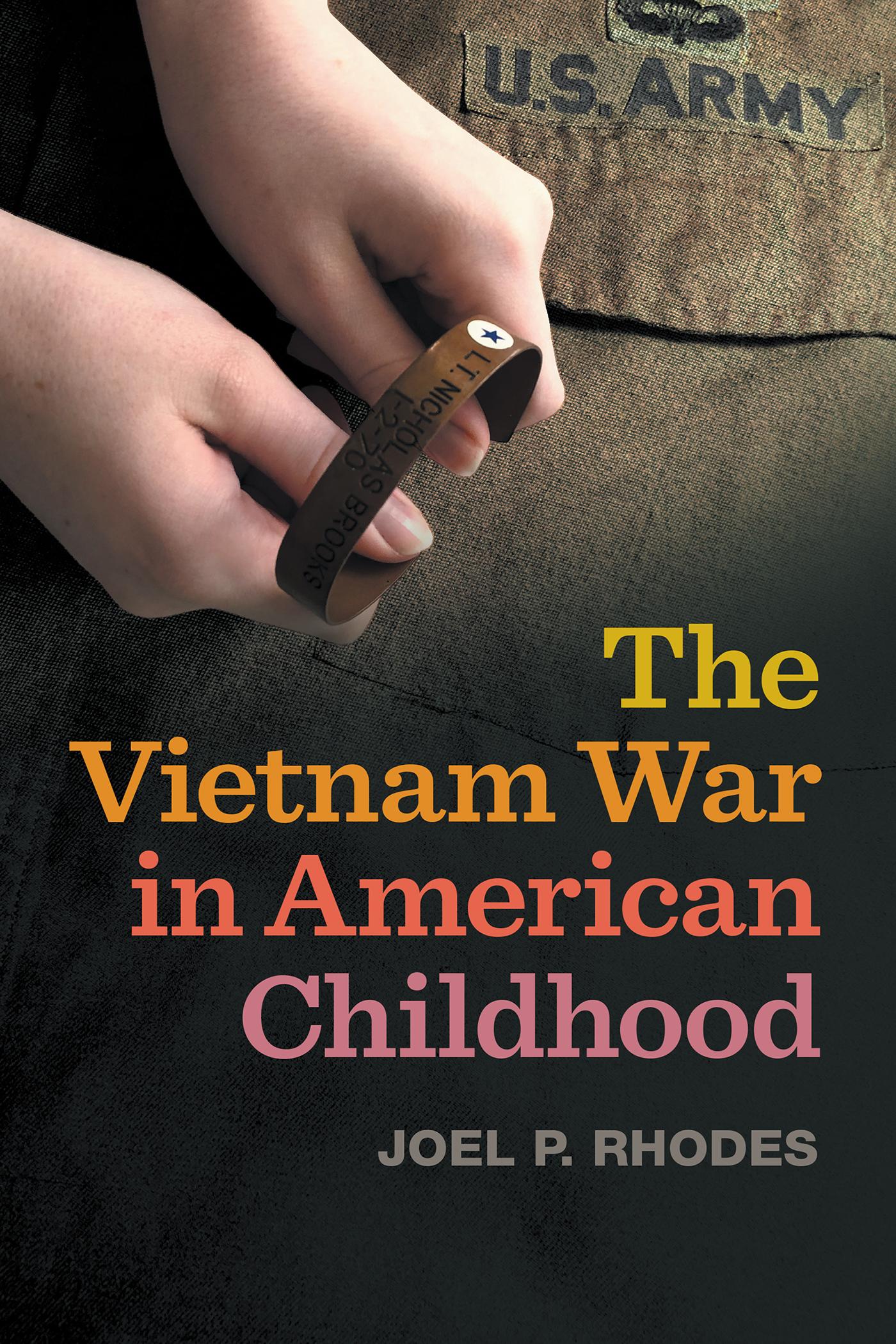
For American children raised exclusively in wartime—that is, a Cold War containing monolithic communism turned hot in the jungles of Southeast Asia—and the first to grow up with televised combat, Vietnam was predominately a mediated experience. Walter Cronkite was the voice of the conflict, and grim, nightly statistics the most recognizable feature. But as involvement grew, Vietnam affected numerous changes in child life, comparable to the childhood impact of previous conflicts—chiefly the Civil War and World War II—whose intensity and duration also dominated American culture. In this protracted struggle that took on the look of permanence from a child’s perspective, adult lives were increasingly militarized, leaving few preadolescents totally insulated. Over the years 1965 to 1973, the vast majority of American children integrated at least some elements of the war into their own routines. Parents, in turn, shaped their children’s perspectives on Vietnam, while the more politicized mothers and fathers exposed them to the bitter polarization the war engendered. The fighting only became truly real insomuch as service in Vietnam called away older community members or was driven home literally when families shared hardships surrounding separation from cousins, brothers, and fathers.
In seeing the Vietnam War through the eyes of preadolescent Americans, Joel P. Rhodes suggests broader developmental implications from being socialized to the political and ethical ambiguity of Vietnam. Youth during World War II retained with clarity into adulthood many of the proscriptive patriotic messages about U.S. rightness, why we fight, heroism, or sacrifice. In contrast, Vietnam tended to breed childhood ambivalence, but not necessarily of the hawk and dove kind. This unique perspective on Vietnam continues to complicate adult notions of militarism and warfare, while generally lowering expectations of American leadership and the presidency.
Before Memmo my notes were scattered across PDFs. Now a workspace pulls everything into one place — I see exactly what's still left to study.
Memmo's summaries are gold before exams. I don't have to re-read 800 pages two weeks before — just the important parts.
The AI chat has saved me the night before an exam more than once. I just keep asking until I get it — no waiting on a study group to reply.
The quizzes hit exactly what I need to know. Memmo tracks what I get stuck on — so I only practice what's worth it.
Flashcards with spaced repetition are magic. Memmo knows when I'm about to forget something and brings it back.
The AI podcasts are my favorite. I listen on my way to school and get a recap without sitting at a computer.

Handbok i kvalitativa metoder
281 kr

Hållbar utveckling: en introduktion för ingenjörer och andra problemlösare
334 kr

Brymans Samhällsvetenskapliga metoder
390 kr

Projektledning
491 kr

Den orättvisa hälsan: om socioekonomiska skillnader i hälsa och livslängd
326 kr

Vetenskapsteori för nybörjare
196 kr

Organizational Leadership
429 kr

På väg mot läraryrket
172 kr

Det sociala livet i skolan: Socialpsykologiska perspektiv
253 kr

Betygsättningens didaktik
151 kr

Personality
402 kr

Studying Leadership
404 kr

Managing Innovation
477 kr

Introduktion till samhällsvetenskaplig metod
347 kr

The Psychology of Sex and Gender
698 kr

Evidens och kunskap för socialt arbete
207 kr

Introduction to Leadership
605 kr