
Before Memmo my notes were scattered across PDFs. Now a workspace pulls everything into one place — I see exactly what's still left to study.
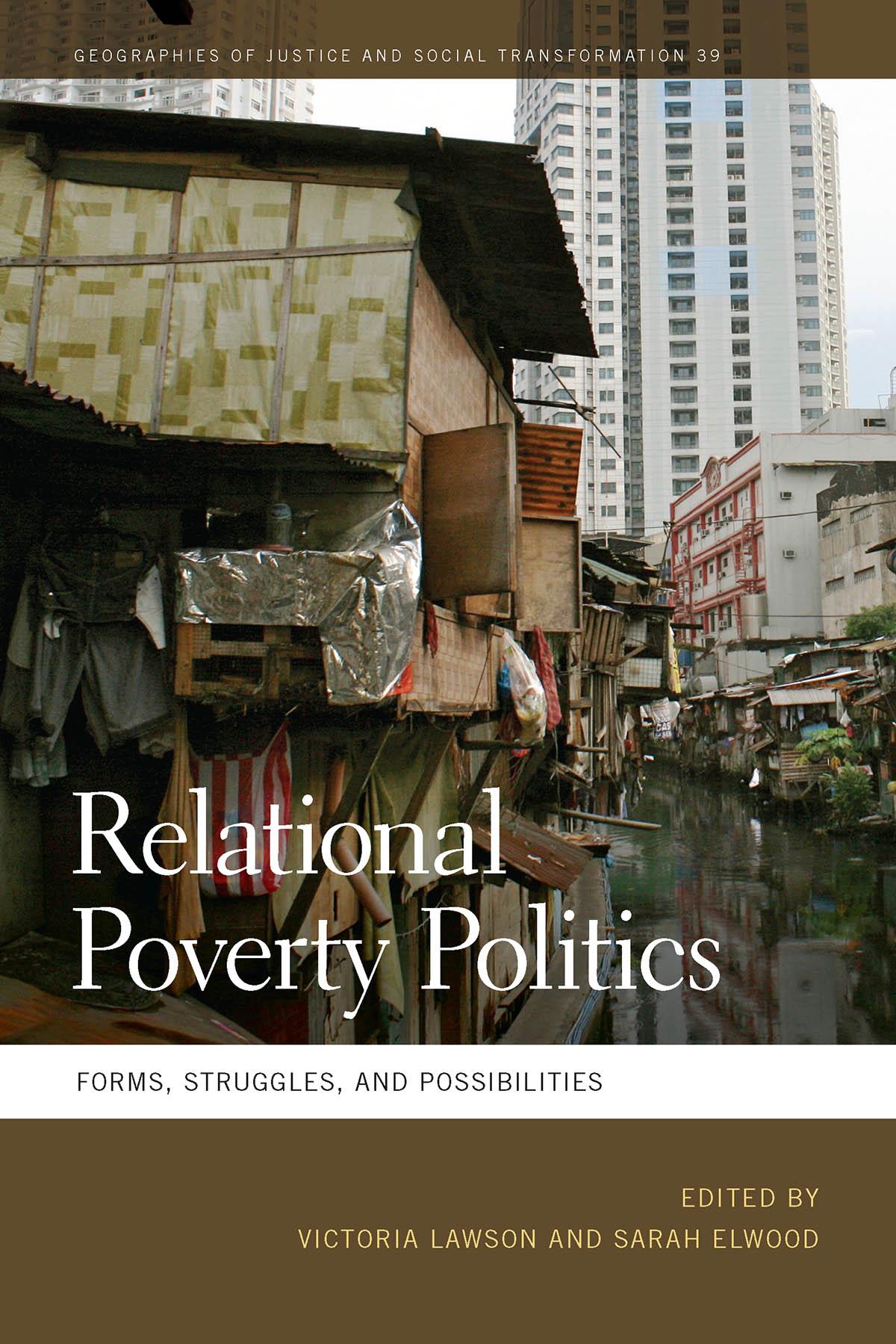
This collection examines the power and transformative potential of movements that fight against poverty and inequality. Broadly, poverty politics are struggles to define who is poor, what it means to be poor, what actions might be taken, and who should act. These movements shape the sociocultural and political economic structures that constitute poverty and privilege as material and social relations. Editors Victoria Lawson and Sarah Elwood focus on the politics of insurgent movements against poverty and inequality in seven countries (Argentina, India, Brazil, South Africa, Thailand, Singapore, and the United States).
The contributors explore theory and practice in alliance politics, resistance movements, the militarized repression of justice movements, global counterpublics, and political theater. These movements reflect the diversity of poverty politics and the relations between bureaucracies and antipoverty movements. They discuss work done by mass and other types of mobilizations across multiple scales; forms of creative and political alliance across axes of difference; expressions and exercises of agency by people named as poor; and the kinds of rights and other claims that are made in different spaces and places.
Relational Poverty Politics advocates for poverty knowledge grounded in relational perspectives that highlight the adversarial relationship of poverty to privilege, as well as the possibility for alliances across different groups. It incorporates current research in the field and demonstrates how relational poverty knowledge is best seen as a model for understanding how theory is derivative of action as much as the other way around. The book lays a foundation for realistic change that can directly attack poverty at its roots.
Contributors: Antonádia Borges, Dia Da Costa, Sarah Elwood, David Boarder Giles, Jim Glassman, Victoria Lawson, Felipe Magalhães, Jeff Maskovsky, Richa Nagar, Genevieve Negrón-Gonzales, LaShawnDa Pittman, Frances Fox Piven, Preeti Sampat, Thomas Swerts, and Junjia Ye.
Before Memmo my notes were scattered across PDFs. Now a workspace pulls everything into one place — I see exactly what's still left to study.
Memmo's summaries are gold before exams. I don't have to re-read 800 pages two weeks before — just the important parts.
The AI chat has saved me the night before an exam more than once. I just keep asking until I get it — no waiting on a study group to reply.
The quizzes hit exactly what I need to know. Memmo tracks what I get stuck on — so I only practice what's worth it.
Flashcards with spaced repetition are magic. Memmo knows when I'm about to forget something and brings it back.
The AI podcasts are my favorite. I listen on my way to school and get a recap without sitting at a computer.

Handbok i kvalitativa metoder
281 kr

Hållbar utveckling: en introduktion för ingenjörer och andra problemlösare
334 kr

Brymans Samhällsvetenskapliga metoder
390 kr

Projektledning
491 kr

Den orättvisa hälsan: om socioekonomiska skillnader i hälsa och livslängd
326 kr

Vetenskapsteori för nybörjare
196 kr

Organizational Leadership
429 kr

På väg mot läraryrket
172 kr

Det sociala livet i skolan: Socialpsykologiska perspektiv
253 kr

Betygsättningens didaktik
151 kr

Personality
402 kr

Studying Leadership
404 kr

Managing Innovation
477 kr

Introduktion till samhällsvetenskaplig metod
347 kr

The Psychology of Sex and Gender
698 kr

Evidens och kunskap för socialt arbete
207 kr

Introduction to Leadership
605 kr