
Before Memmo my notes were scattered across PDFs. Now a workspace pulls everything into one place — I see exactly what's still left to study.
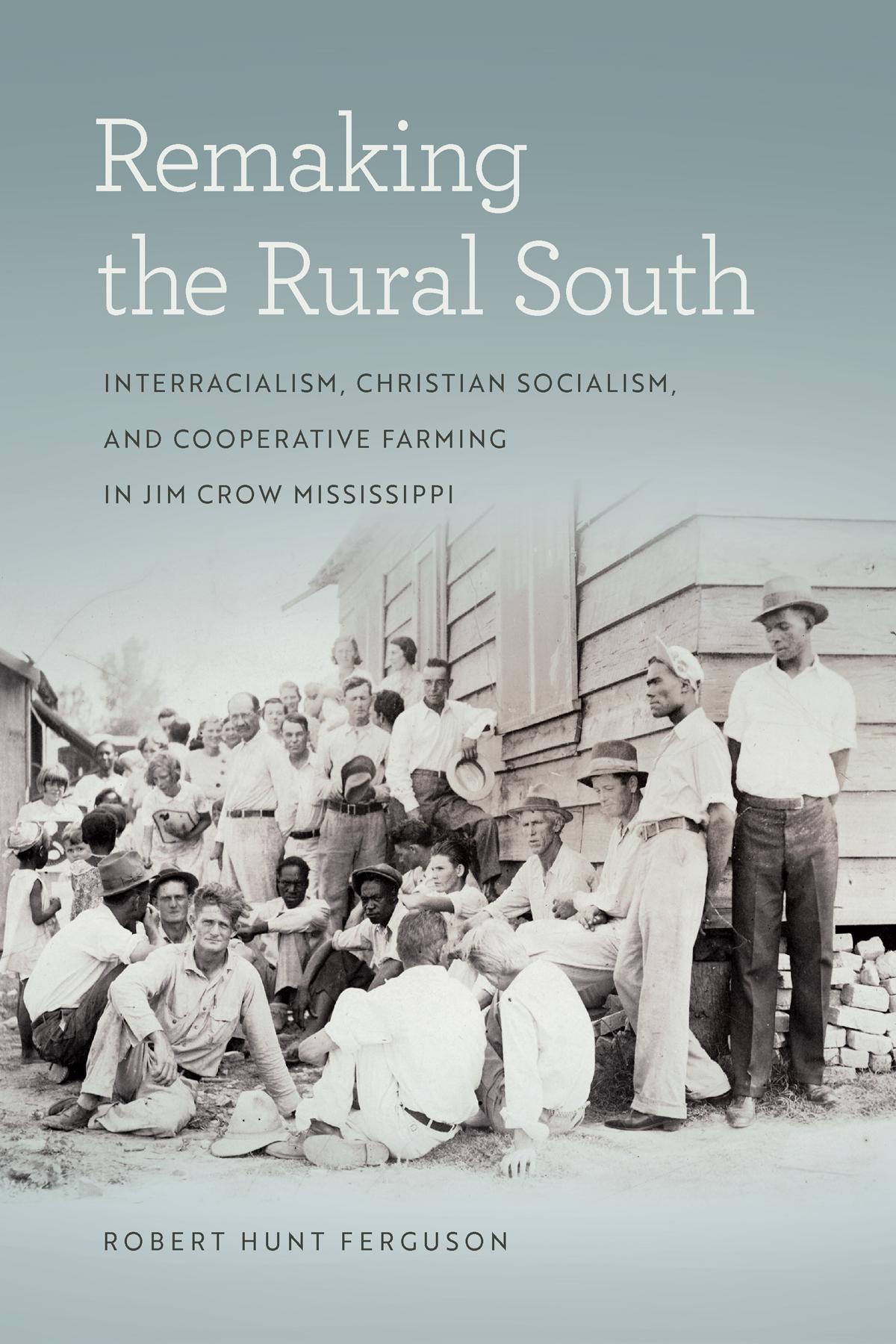
This is the first book-length study of Delta Cooperative Farm (1936–42) and its descendant, Providence Farm (1938–56). The two intentional communities drew on internationalist practices of cooperative communalism and pragmatically challenged Jim Crow segregation and plantation labor. In the winter of 1936, two dozen black and white ex-sharecropping families settled on some two thousand acres in the rural Mississippi Delta, one of the most insular and oppressive regions in the nation. Thus began a twenty-year experiment—across two communities—in interracialism, Christian socialism, cooperative farming, and civil and economic activism.
Robert Hunt Ferguson recalls the genesis of Delta and Providence: how they were modeled after cooperative farms in Japan and Soviet Russia and how they rose in reaction to the exploitation of small- scale, dispossessed farmers. Although the staff, volunteers, and residents were very much everyday people—a mix of Christian socialists, political leftists, union organizers, and sharecroppers—the farms had the backing of such leading figures as philanthropist Sherwood Eddy, who purchased the land, and educator Charles Spurgeon Johnson and theologian Reinhold Niebuhr, who served as trustees. On these farms, residents developed a cooperative economy, operated a desegregated health clinic, held interracial church services and labor union meetings, and managed a credit union. Ferguson tells how a variety of factors related to World War II forced the closing of Delta, while Providence finally succumbed to economic boycotts and outside threats from white racists.
Remaking the Rural South shows how a small group of committed people challenged hegemonic social and economic structures by going about their daily routines. Far from living in a closed society, activists at Delta and Providence engaged in a local movement with national and international roots and consequences.
Before Memmo my notes were scattered across PDFs. Now a workspace pulls everything into one place — I see exactly what's still left to study.
Memmo's summaries are gold before exams. I don't have to re-read 800 pages two weeks before — just the important parts.
The AI chat has saved me the night before an exam more than once. I just keep asking until I get it — no waiting on a study group to reply.
The quizzes hit exactly what I need to know. Memmo tracks what I get stuck on — so I only practice what's worth it.
Flashcards with spaced repetition are magic. Memmo knows when I'm about to forget something and brings it back.
The AI podcasts are my favorite. I listen on my way to school and get a recap without sitting at a computer.

Handbok i kvalitativa metoder
281 kr

Hållbar utveckling: en introduktion för ingenjörer och andra problemlösare
334 kr

Brymans Samhällsvetenskapliga metoder
390 kr

Projektledning
491 kr

Den orättvisa hälsan: om socioekonomiska skillnader i hälsa och livslängd
326 kr

Vetenskapsteori för nybörjare
196 kr

Organizational Leadership
429 kr

På väg mot läraryrket
172 kr

Det sociala livet i skolan: Socialpsykologiska perspektiv
253 kr

Betygsättningens didaktik
151 kr

Personality
402 kr

Studying Leadership
404 kr

Managing Innovation
477 kr

Introduktion till samhällsvetenskaplig metod
347 kr

The Psychology of Sex and Gender
698 kr

Evidens och kunskap för socialt arbete
207 kr

Introduction to Leadership
605 kr