
Before Memmo my notes were scattered across PDFs. Now a workspace pulls everything into one place — I see exactly what's still left to study.
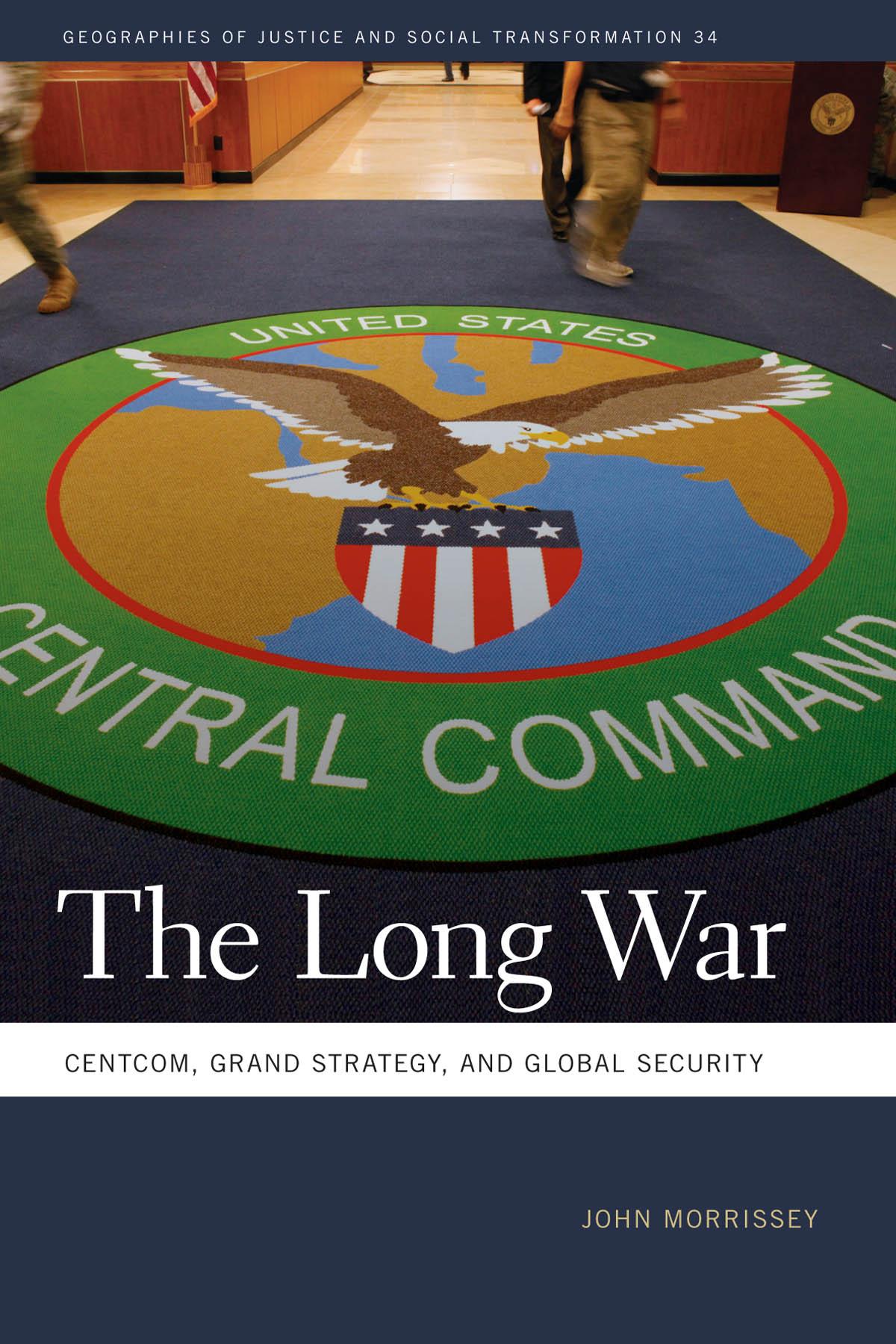
Nowhere has the U.S. military established more bases, lost more troops, or spent more money in the last thirty years than in the Middle East and Central Asia. These regions fall under the purview of United States Central Command (CENTCOM); not coincidentally, they include the most energy-rich places on earth. From its inception, CENTCOM was tasked with the military and economic security of this key strategic area, the safeguarding of commercial opportunities therein, and ultimately the policing of a pivotal yet precarious space in the broader global economy. CENTCOM calls this mission its “Long War.” This book tells the story of that long war: a war underpinned by a range of entangled geopolitical and geoeconomic visions and involving the use of the most devastating Western interventionary violence of our time.
Starting with a historical perspective, John Morrissey explores CENTCOM’s Cold War origins and evolution, before addressing key elements of the command’s grand strategy, including its interventionary rationales and use of the law in war. Engaging a wide range of scholarship on neoliberalism, imperialism, geopolitics, and Orientalism, the book then looks in-depth at the military interventions CENTCOM has spearheaded and critically assesses their consequences in terms of human geography.
Recent books on CENTCOM have focused on command structures, intelligence issues, and interpersonal rivalries. In contrast, The Long War asks critical questions about CENTCOM’s leading role in shaping and enacting U.S. foreign policy over the last thirty years. The book positions CENTCOM pivotally in the story of U.S. global ambition over this period by documenting its efforts to oversee a global security strategy defined in military-economic terms and enabled via specific legal-territorial tactics. This is an important new study on the blurring of war and economic aims on a global scale.
Before Memmo my notes were scattered across PDFs. Now a workspace pulls everything into one place — I see exactly what's still left to study.
Memmo's summaries are gold before exams. I don't have to re-read 800 pages two weeks before — just the important parts.
The AI chat has saved me the night before an exam more than once. I just keep asking until I get it — no waiting on a study group to reply.
The quizzes hit exactly what I need to know. Memmo tracks what I get stuck on — so I only practice what's worth it.
Flashcards with spaced repetition are magic. Memmo knows when I'm about to forget something and brings it back.
The AI podcasts are my favorite. I listen on my way to school and get a recap without sitting at a computer.

Handbok i kvalitativa metoder
281 kr

Hållbar utveckling: en introduktion för ingenjörer och andra problemlösare
334 kr

Brymans Samhällsvetenskapliga metoder
390 kr

Projektledning
491 kr

Den orättvisa hälsan: om socioekonomiska skillnader i hälsa och livslängd
326 kr

Organizational Leadership
429 kr

Vetenskapsteori för nybörjare
196 kr

På väg mot läraryrket
172 kr

Det sociala livet i skolan: Socialpsykologiska perspektiv
253 kr

Betygsättningens didaktik
151 kr

Personality
402 kr

Studying Leadership
404 kr

Managing Innovation
477 kr

Introduktion till samhällsvetenskaplig metod
347 kr

The Psychology of Sex and Gender
698 kr

Evidens och kunskap för socialt arbete
207 kr

Introduction to Leadership
605 kr