
Before Memmo my notes were scattered across PDFs. Now a workspace pulls everything into one place — I see exactly what's still left to study.
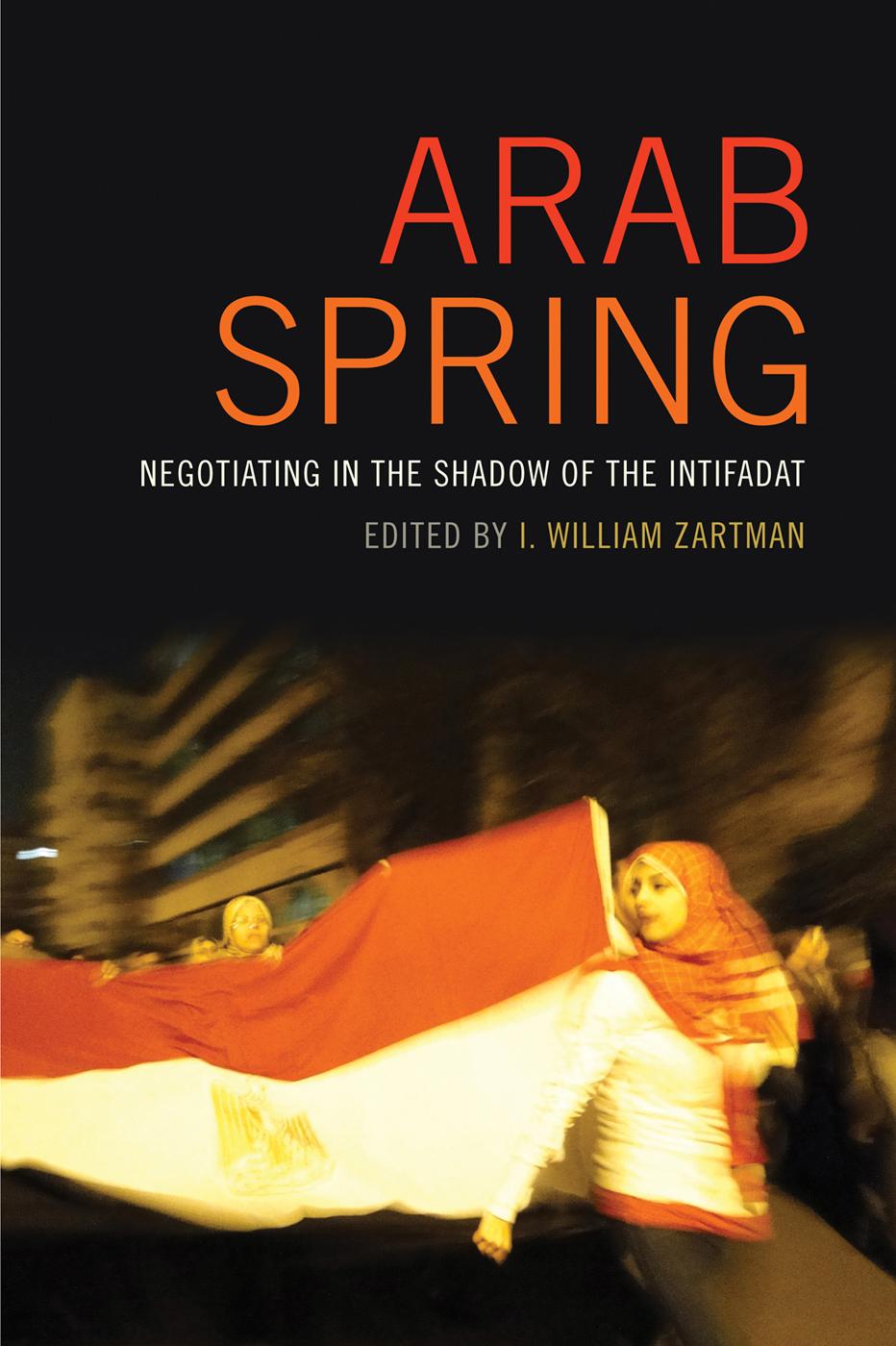
Beginning in January 2011, the Arab world exploded in a vibrant demand for dignity, liberty, and achievable purpose in life, rising up against an image and tradition of arrogant, corrupt, unresponsive authoritarian rule. These previously unpublished, country-specific case studies of the uprisings and their still unfolding political aftermaths identify patterns and courses of negotiation and explain why and how they occur.
The contributors argue that in uprisings like the Arab Spring negotiation is “not just a ‘nice’ practice or a diplomatic exercise.” Rather, it is a “dynamically multilevel” process involving individuals, groups, and states with continually shifting priorities—and with the prospect of violence always near. From that perspective, the essayists analyze a range of issues and events—including civil disobedience and strikes, mass demonstrations and nonviolent protest, and peaceful negotiation and armed rebellion—and contextualize their findings within previous struggles, both within and outside the Middle East. The Arab countries discussed include Algeria, Bahrain, Egypt, Libya, Morocco, Syria, Tunisia, and Yemen. The Arab Spring uprisings are discussed in the context of rebellions in countries like South Africa and Serbia, while the Libyan uprising is also viewed in terms of the negotiations it provoked within NATO.
Collectively, the essays analyze the challenges of uprisers and emerging governments in building a new state on the ruins of a liberated state; the negotiations that lead either to sustainable democracy or sectarian violence; and coalition building between former political and military adversaries.
Contributors: Samir Aita (Monde Diplomatique), Alice Alunni (Durham University), Marc Anstey* (Nelson Mandela University), Abdelwahab ben Hafaiedh (MERC), Maarten Danckaert (European-Bahraini Organization for Human Rights), Heba Ezzat (Cairo University), Amy Hamblin (SAIS), Abdullah Hamidaddin (King’s College), Fen Hampson* (Carleton University), Roel Meijer (Clingendael), Karim Mezran (Atlantic Council), Bessma Momani (Waterloo University), Samiraital Pres (Cercle des Economistes Arabes), Aly el Raggal (Cairo University), Hugh Roberts (ICG/Tufts University), Johannes Theiss (Collège d’Europe), Siniša Vukovic (Leiden University), I. William Zartman* (SAIS-JHU). [* Indicates group members of the Processes of International, Negotiation (PIN) Program at Clingendael, Netherland]
Before Memmo my notes were scattered across PDFs. Now a workspace pulls everything into one place — I see exactly what's still left to study.
Memmo's summaries are gold before exams. I don't have to re-read 800 pages two weeks before — just the important parts.
The AI chat has saved me the night before an exam more than once. I just keep asking until I get it — no waiting on a study group to reply.
The quizzes hit exactly what I need to know. Memmo tracks what I get stuck on — so I only practice what's worth it.
Flashcards with spaced repetition are magic. Memmo knows when I'm about to forget something and brings it back.
The AI podcasts are my favorite. I listen on my way to school and get a recap without sitting at a computer.

Handbok i kvalitativa metoder
281 kr

Hållbar utveckling: en introduktion för ingenjörer och andra problemlösare
334 kr

Brymans Samhällsvetenskapliga metoder
390 kr

Projektledning
491 kr

Den orättvisa hälsan: om socioekonomiska skillnader i hälsa och livslängd
326 kr

Vetenskapsteori för nybörjare
196 kr

Organizational Leadership
429 kr

På väg mot läraryrket
172 kr

Det sociala livet i skolan: Socialpsykologiska perspektiv
253 kr

Betygsättningens didaktik
151 kr

Personality
402 kr

Studying Leadership
404 kr

Managing Innovation
477 kr

Introduktion till samhällsvetenskaplig metod
347 kr

The Psychology of Sex and Gender
698 kr

Evidens och kunskap för socialt arbete
207 kr

Introduction to Leadership
605 kr