
Before Memmo my notes were scattered across PDFs. Now a workspace pulls everything into one place — I see exactly what's still left to study.
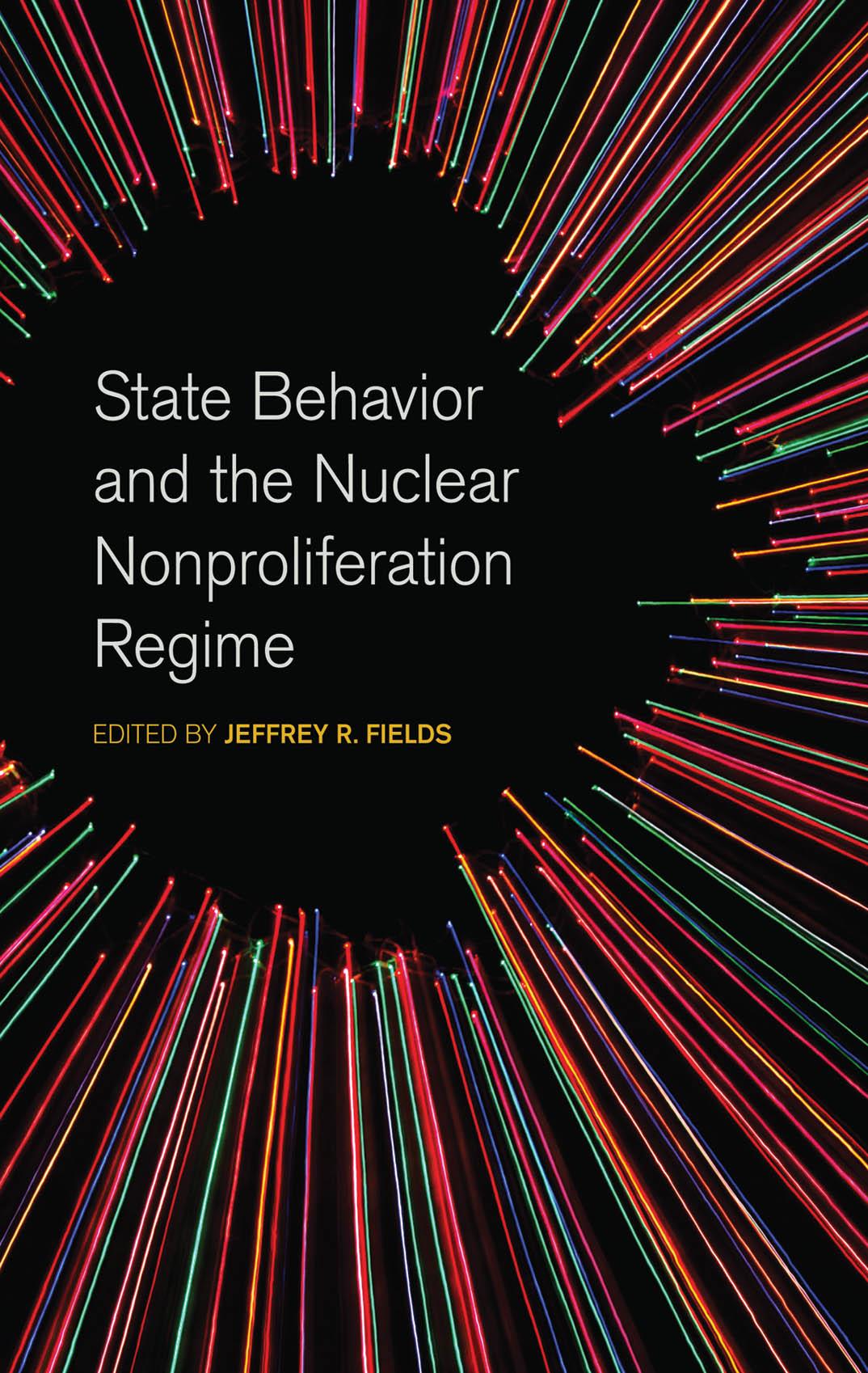
This is the first book-length study of why states sometimes ignore, oppose, or undermine elements of the nuclear nonproliferation regime—even as they formally support it. Anchored by the Treaty on the Non-Proliferation of Nuclear Weapons, the nuclear nonproliferation regime is the constellation of agreements, initiatives, and norms that work in concert to regulate nuclear material and technology. The essays gathered here show that attitudes on nonproliferation depend on a “complex, contingent decision calculus,” as states continually gauge how their actions within the regime will affect trade, regional standing, and other interests vital to any nation.
The first four essays take theoretical approaches to such topics as a framework for understanding challenges to collective action; clandestine proliferation under the Bush and Obama administrations and its impact on regime legitimacy; threat construction as a lens through which to view resistance to nonproliferation measures; and the debate over the relationship between nuclear disarmament and nonproliferation. Essays comprising the second part of the book use regional and state-specific case studies to look at how U.S. security guarantees affect the willingness of states to support the regime; question the perceived spoiler role of a “vocal minority” within the Non-Aligned Movement; challenge notions that Russia is using the regime to build a coalition hostile to the United States; contrast nonproliferation strategies among Latin American countries; and explain the lag in adoption of an Additional Protocol by some Middle East and North African countries.
Getting countries to cooperate on nonproliferation efforts is an ongoing challenge. These essays show that success must be measured not only by how many states join the effort but also by how they participate once they join.
Before Memmo my notes were scattered across PDFs. Now a workspace pulls everything into one place — I see exactly what's still left to study.
Memmo's summaries are gold before exams. I don't have to re-read 800 pages two weeks before — just the important parts.
The AI chat has saved me the night before an exam more than once. I just keep asking until I get it — no waiting on a study group to reply.
The quizzes hit exactly what I need to know. Memmo tracks what I get stuck on — so I only practice what's worth it.
Flashcards with spaced repetition are magic. Memmo knows when I'm about to forget something and brings it back.
The AI podcasts are my favorite. I listen on my way to school and get a recap without sitting at a computer.

Handbok i kvalitativa metoder
281 kr

Hållbar utveckling: en introduktion för ingenjörer och andra problemlösare
334 kr

Brymans Samhällsvetenskapliga metoder
390 kr

Projektledning
491 kr

Den orättvisa hälsan: om socioekonomiska skillnader i hälsa och livslängd
326 kr

Vetenskapsteori för nybörjare
196 kr

Organizational Leadership
429 kr

På väg mot läraryrket
172 kr

Det sociala livet i skolan: Socialpsykologiska perspektiv
253 kr

Betygsättningens didaktik
151 kr

Personality
402 kr

Studying Leadership
404 kr

Managing Innovation
477 kr

Introduktion till samhällsvetenskaplig metod
347 kr

The Psychology of Sex and Gender
698 kr

Evidens och kunskap för socialt arbete
207 kr

Introduction to Leadership
605 kr