
Before Memmo my notes were scattered across PDFs. Now a workspace pulls everything into one place — I see exactly what's still left to study.
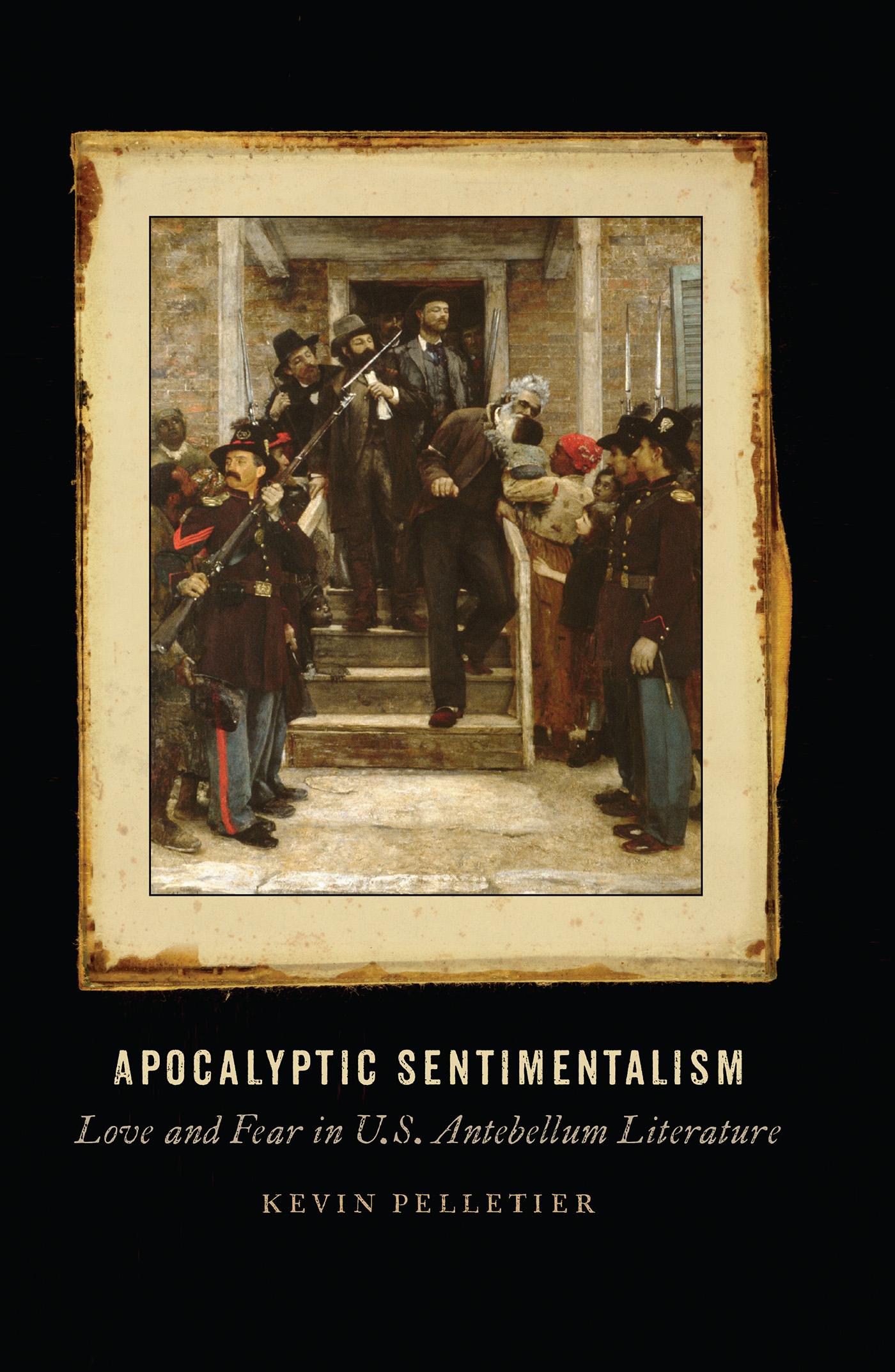
In contrast to the prevailing scholarly consensus that understands sentimentality to be grounded on a logic of love and sympathy, Apocalyptic Sentimentalism demonstrates that in order for sentimentality to work as an antislavery engine, it needed to be linked to its seeming opposite—fear, especially the fear of God’s wrath. Most antislavery reformers recognized that calls for love and sympathy or the representation of suffering slaves would not lead an audience to “feel right” or to actively oppose slavery. The threat of God’s apocalyptic vengeance—and the terror that this threat inspired—functioned within the tradition of abolitionist sentimentality as a necessary goad for sympathy and love. Fear, then, was at the center of nineteenth-century sentimental strategies for inciting antislavery reform, bolstering love when love faltered, and operating as a powerful mechanism for establishing interracial sympathy. Depictions of God’s apocalyptic vengeance constituted the most efficient strategy for antislavery writers to generate a sense of terror in their audience.
Focusing on a range of important antislavery figures, including David Walker, Nat Turner, Maria Stewart, Harriet Beecher Stowe, and John Brown, Apocalyptic Sentimentalism illustrates how antislavery discourse worked to redefine violence and vengeance as the ultimate expression (rather than denial) of love and sympathy. At the same time, these warnings of apocalyptic retribution enabled antislavery writers to express, albeit indirectly, fantasies of brutal violence against slaveholders. What began as a sentimental strategy quickly became an incendiary gesture, with antislavery reformers envisioning the complete annihilation of slaveholders and defenders of slavery.
Before Memmo my notes were scattered across PDFs. Now a workspace pulls everything into one place — I see exactly what's still left to study.
Memmo's summaries are gold before exams. I don't have to re-read 800 pages two weeks before — just the important parts.
The AI chat has saved me the night before an exam more than once. I just keep asking until I get it — no waiting on a study group to reply.
The quizzes hit exactly what I need to know. Memmo tracks what I get stuck on — so I only practice what's worth it.
Flashcards with spaced repetition are magic. Memmo knows when I'm about to forget something and brings it back.
The AI podcasts are my favorite. I listen on my way to school and get a recap without sitting at a computer.

Handbok i kvalitativa metoder
281 kr

Hållbar utveckling: en introduktion för ingenjörer och andra problemlösare
334 kr

Brymans Samhällsvetenskapliga metoder
390 kr

Projektledning
491 kr

Den orättvisa hälsan: om socioekonomiska skillnader i hälsa och livslängd
326 kr

Organizational Leadership
429 kr

Vetenskapsteori för nybörjare
196 kr

På väg mot läraryrket
172 kr

Det sociala livet i skolan: Socialpsykologiska perspektiv
253 kr

Betygsättningens didaktik
151 kr

Personality
402 kr

Studying Leadership
404 kr

Managing Innovation
477 kr

Introduktion till samhällsvetenskaplig metod
347 kr

The Psychology of Sex and Gender
698 kr

Evidens och kunskap för socialt arbete
207 kr

Introduction to Leadership
605 kr