
Before Memmo my notes were scattered across PDFs. Now a workspace pulls everything into one place — I see exactly what's still left to study.
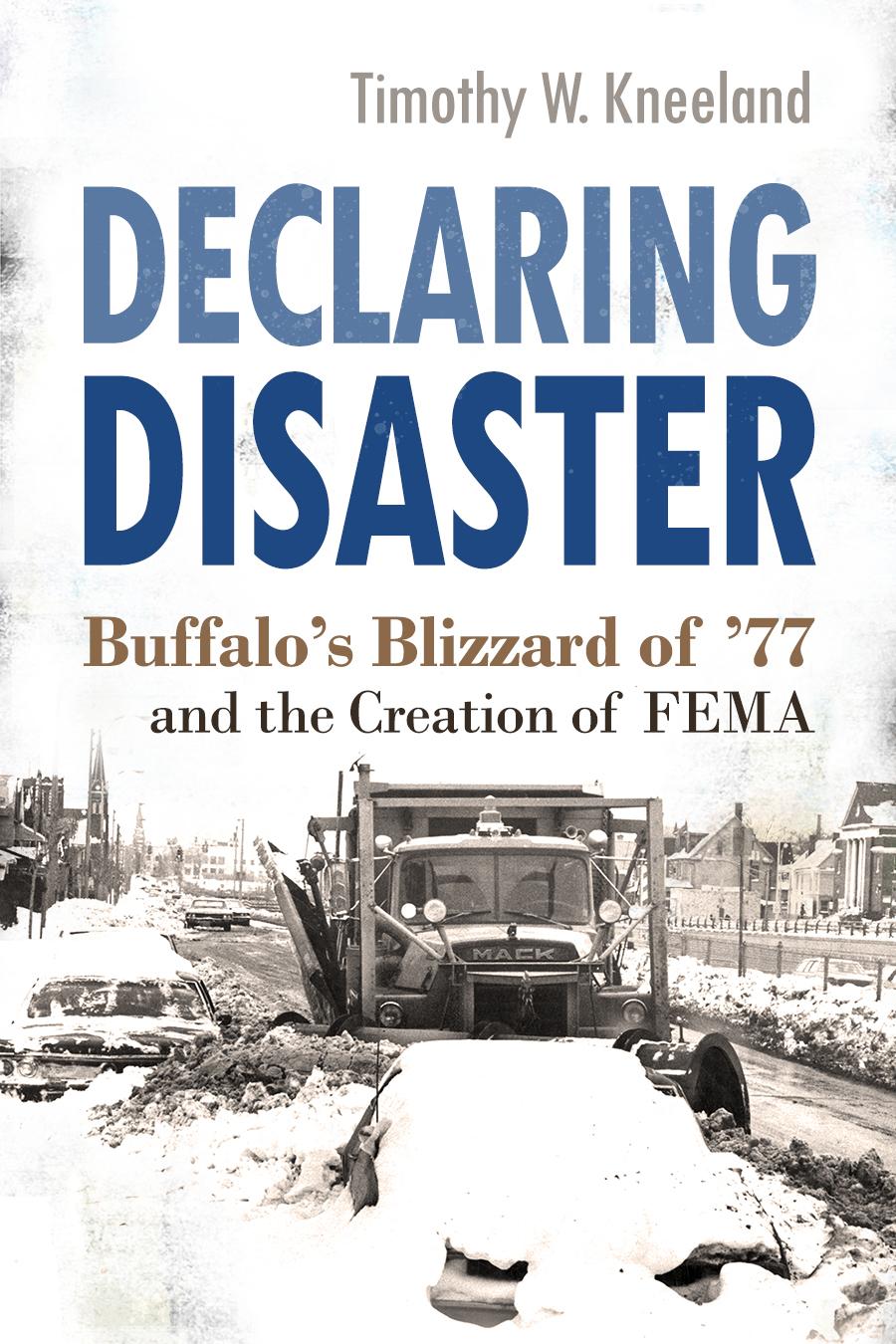
On Friday, January 28, 1977, it began to snow in Buffalo. The second largest city in New York State, located directly in line with the Great Lakes’ snowbelt, was no stranger to this kind of winter weather. With their city averaging ninety-four inches of snow per year, the citizens of Buffalo knew how to survive a snowstorm. But the blizzard that engulfed the city for the next four days was about to make history.
Between the subzero wind chill and whiteout conditions, hundreds of people were trapped when the snow began to fall. Twenty- to thirty-foot-high snow drifts isolated residents in their offices and homes, and even in their cars on the highway. With a dependency on rubber-tire vehicles, which lost all traction in the heavily blanketed urban streets, they were cut off from food, fuel, and even electricity. This one unexpected snow disaster stranded tens of thousands of people, froze public utilities and transportation, and cost Buffalo hundreds of millions of dollars in economic losses and property damages.
The destruction wrought by this snowstorm, like the destruction brought on by other natural disasters, was from a combination of weather-related hazards and the public policies meant to mitigate them. Buffalo’s 1977 blizzard, the first snowstorm to be declared a disaster in US history, came after a century of automobility, suburbanization, and snow removal guidelines like the bare-pavement policy. Kneeland offers a compelling examination of whether the 1977 storm was an anomaly or the inevitable outcome of years of city planning. From the local to the state and federal levels, Kneeland discusses governmental response and disaster relief, showing how this regional event had national implications for environmental policy and how its effects have resounded through the complexities of disaster politics long after the snow fell.
Before Memmo my notes were scattered across PDFs. Now a workspace pulls everything into one place — I see exactly what's still left to study.
Memmo's summaries are gold before exams. I don't have to re-read 800 pages two weeks before — just the important parts.
The AI chat has saved me the night before an exam more than once. I just keep asking until I get it — no waiting on a study group to reply.
The quizzes hit exactly what I need to know. Memmo tracks what I get stuck on — so I only practice what's worth it.
Flashcards with spaced repetition are magic. Memmo knows when I'm about to forget something and brings it back.
The AI podcasts are my favorite. I listen on my way to school and get a recap without sitting at a computer.

Handbok i kvalitativa metoder
281 kr

Hållbar utveckling: en introduktion för ingenjörer och andra problemlösare
334 kr

Brymans Samhällsvetenskapliga metoder
390 kr

Projektledning
491 kr

Den orättvisa hälsan: om socioekonomiska skillnader i hälsa och livslängd
326 kr

Organizational Leadership
429 kr

Vetenskapsteori för nybörjare
196 kr

På väg mot läraryrket
172 kr

Det sociala livet i skolan: Socialpsykologiska perspektiv
253 kr

Betygsättningens didaktik
151 kr

Personality
402 kr

Studying Leadership
404 kr

Managing Innovation
477 kr

Introduktion till samhällsvetenskaplig metod
347 kr

The Psychology of Sex and Gender
698 kr

Evidens och kunskap för socialt arbete
207 kr

Introduction to Leadership
605 kr