
Before Memmo my notes were scattered across PDFs. Now a workspace pulls everything into one place — I see exactly what's still left to study.
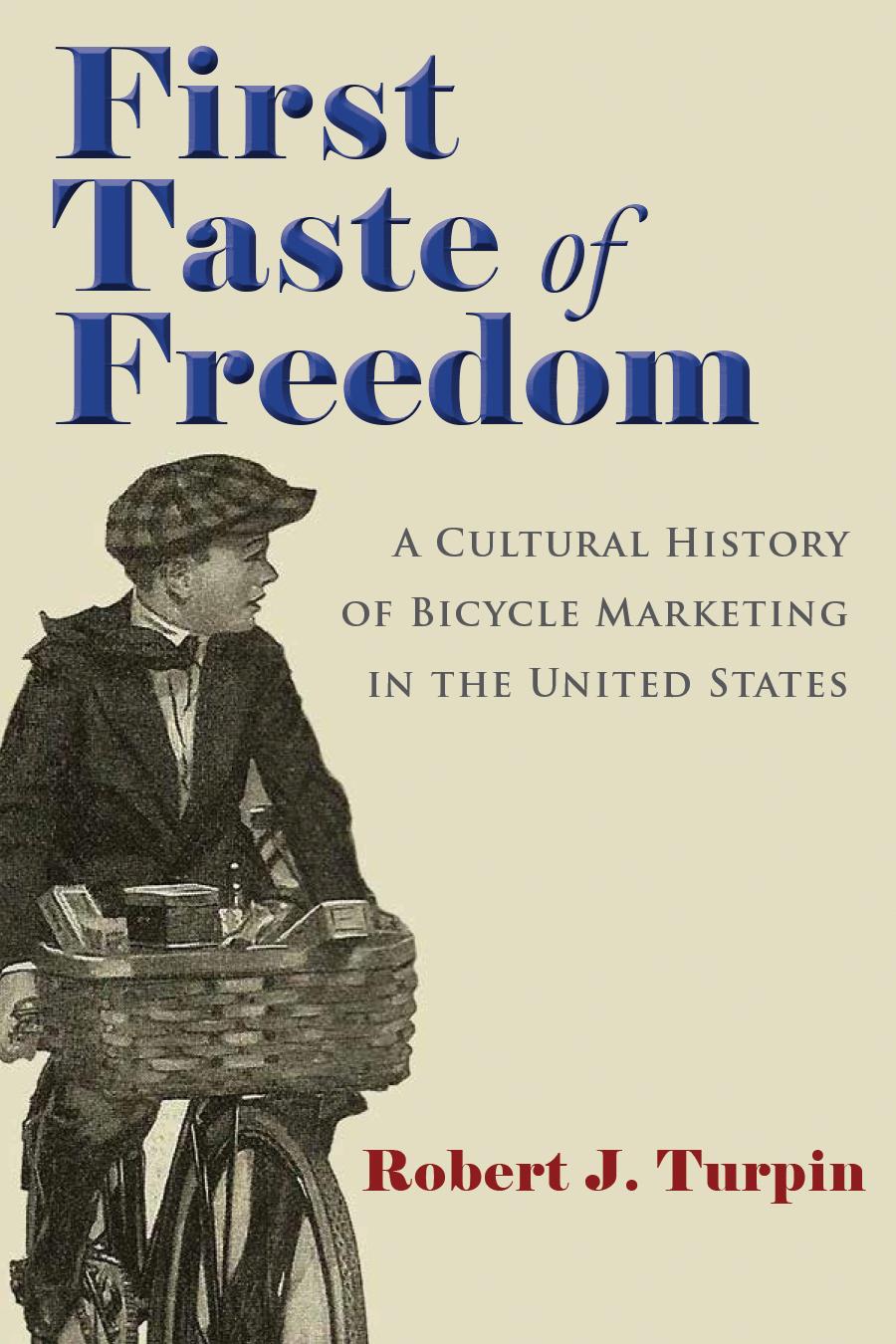
The bicycle has long been a part of American culture but few would describe it as an essential element of American identity in the same way that it is fundamental to European and Asian cultures. Instead, American culture has had a more turbulent relationship with the bicycle. First introduced in the United States in the 1830s, the bicycle reached its height of popularity in the 1890s as it evolved to become a popular form of locomotion for adults. Two decades later, ridership in the United States collapsed. As automobile consumption grew, bicycles were seen as backward and unbecoming—particularly for the white middle class.
Turpin chronicles the story of how the bicycle’s image changed dramatically, shedding light on how American consumer patterns are shaped over time. Turpin identifies the creation and development of childhood consumerism as a key factor in the bicycle’s evolution. In an attempt to resurrect dwindling sales, sports marketers reimagined the bicycle as a child’s toy. By the 1950s, it had been firmly established as a symbol of boyhood adolescence, further accelerating the declining number of adult consumers.
Tracing the ways in which cycling suffered such a loss in popularity among adults is fundamental to understanding why the United States would be considered a "car" culture from the 1950s to today. As a lens for viewing American history, the story of the bicycle deepens our understanding of our national culture and the forces that influence it.
Before Memmo my notes were scattered across PDFs. Now a workspace pulls everything into one place — I see exactly what's still left to study.
Memmo's summaries are gold before exams. I don't have to re-read 800 pages two weeks before — just the important parts.
The AI chat has saved me the night before an exam more than once. I just keep asking until I get it — no waiting on a study group to reply.
The quizzes hit exactly what I need to know. Memmo tracks what I get stuck on — so I only practice what's worth it.
Flashcards with spaced repetition are magic. Memmo knows when I'm about to forget something and brings it back.
The AI podcasts are my favorite. I listen on my way to school and get a recap without sitting at a computer.

Handbok i kvalitativa metoder
281 kr

Hållbar utveckling: en introduktion för ingenjörer och andra problemlösare
334 kr

Brymans Samhällsvetenskapliga metoder
390 kr

Projektledning
491 kr

Den orättvisa hälsan: om socioekonomiska skillnader i hälsa och livslängd
326 kr

Vetenskapsteori för nybörjare
196 kr

Organizational Leadership
429 kr

På väg mot läraryrket
172 kr

Det sociala livet i skolan: Socialpsykologiska perspektiv
253 kr

Betygsättningens didaktik
151 kr

Personality
402 kr

Studying Leadership
404 kr

Managing Innovation
477 kr

Introduktion till samhällsvetenskaplig metod
347 kr

The Psychology of Sex and Gender
698 kr

Evidens och kunskap för socialt arbete
207 kr

Introduction to Leadership
605 kr