
Before Memmo my notes were scattered across PDFs. Now a workspace pulls everything into one place — I see exactly what's still left to study.
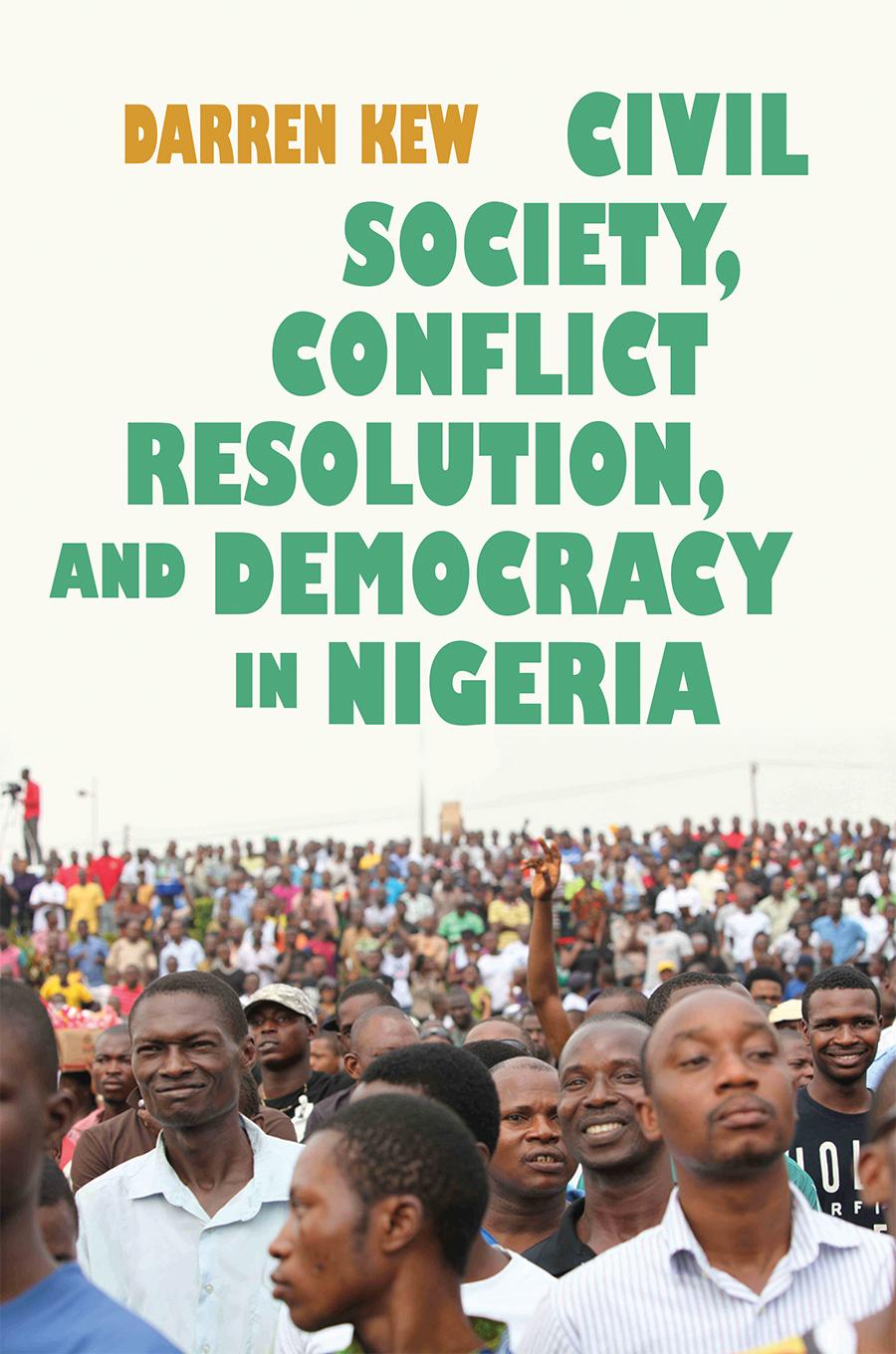
African nations have watched the recent civic dramas of the Arab Spring and Occupy Wall Street asking if they too will see similar civil society actions in their own countries. Nigeria—Africa’s most populous nation—has long enjoyed one of the continent’s most vibrant civil society spheres, which has been instrumental in political change. Initially viewed as contributing to democracy’s development, however, civil society groups have come under increased scrutiny by scholars and policymakers. Do some civil society groups promote democracy more effectively than others? And if so, which ones, and why?
By examining the structure, organizational cultures, and methods of more than one hundred Nigerian civil society groups, Kew finds that the groups that best promote democratic development externally are themselves internally democratic. Specifically, the internally democratic civil society groups build more sustainable coalitions to resist authoritarian rule; support and influence political parties more effectively; articulate and promote public interests in a more negotiable fashion; and, most importantly, inculcate democratic norms in their members, which in turn has important democratizing impacts on national political cultures and institutions. Further, internally democratic groups are better able to resolve ethnic differences and ethnic-based tensions than their undemocratically structured peers.
This book is a deeply comprehensive account of Nigerian civil society groups in the late twentieth and early twenty-first centuries. Kew blends democratic theory with conflict resolution methodologies to argue that the manner in which groups—and states—manage internal conflicts provides an important gauge as to how democratic their political cultures are. The conclusions will allow donors and policymakers to make strategic decisions in their efforts to build a democratic society in Nigeria and other regions.
Before Memmo my notes were scattered across PDFs. Now a workspace pulls everything into one place — I see exactly what's still left to study.
Memmo's summaries are gold before exams. I don't have to re-read 800 pages two weeks before — just the important parts.
The AI chat has saved me the night before an exam more than once. I just keep asking until I get it — no waiting on a study group to reply.
The quizzes hit exactly what I need to know. Memmo tracks what I get stuck on — so I only practice what's worth it.
Flashcards with spaced repetition are magic. Memmo knows when I'm about to forget something and brings it back.
The AI podcasts are my favorite. I listen on my way to school and get a recap without sitting at a computer.

Handbok i kvalitativa metoder
281 kr

Hållbar utveckling: en introduktion för ingenjörer och andra problemlösare
334 kr

Brymans Samhällsvetenskapliga metoder
390 kr

Projektledning
491 kr

Den orättvisa hälsan: om socioekonomiska skillnader i hälsa och livslängd
326 kr

Vetenskapsteori för nybörjare
196 kr

Organizational Leadership
429 kr

På väg mot läraryrket
172 kr

Det sociala livet i skolan: Socialpsykologiska perspektiv
253 kr

Betygsättningens didaktik
151 kr

Personality
402 kr

Studying Leadership
404 kr

Managing Innovation
477 kr

Introduktion till samhällsvetenskaplig metod
347 kr

The Psychology of Sex and Gender
698 kr

Evidens och kunskap för socialt arbete
207 kr

Introduction to Leadership
605 kr