
Before Memmo my notes were scattered across PDFs. Now a workspace pulls everything into one place — I see exactly what's still left to study.
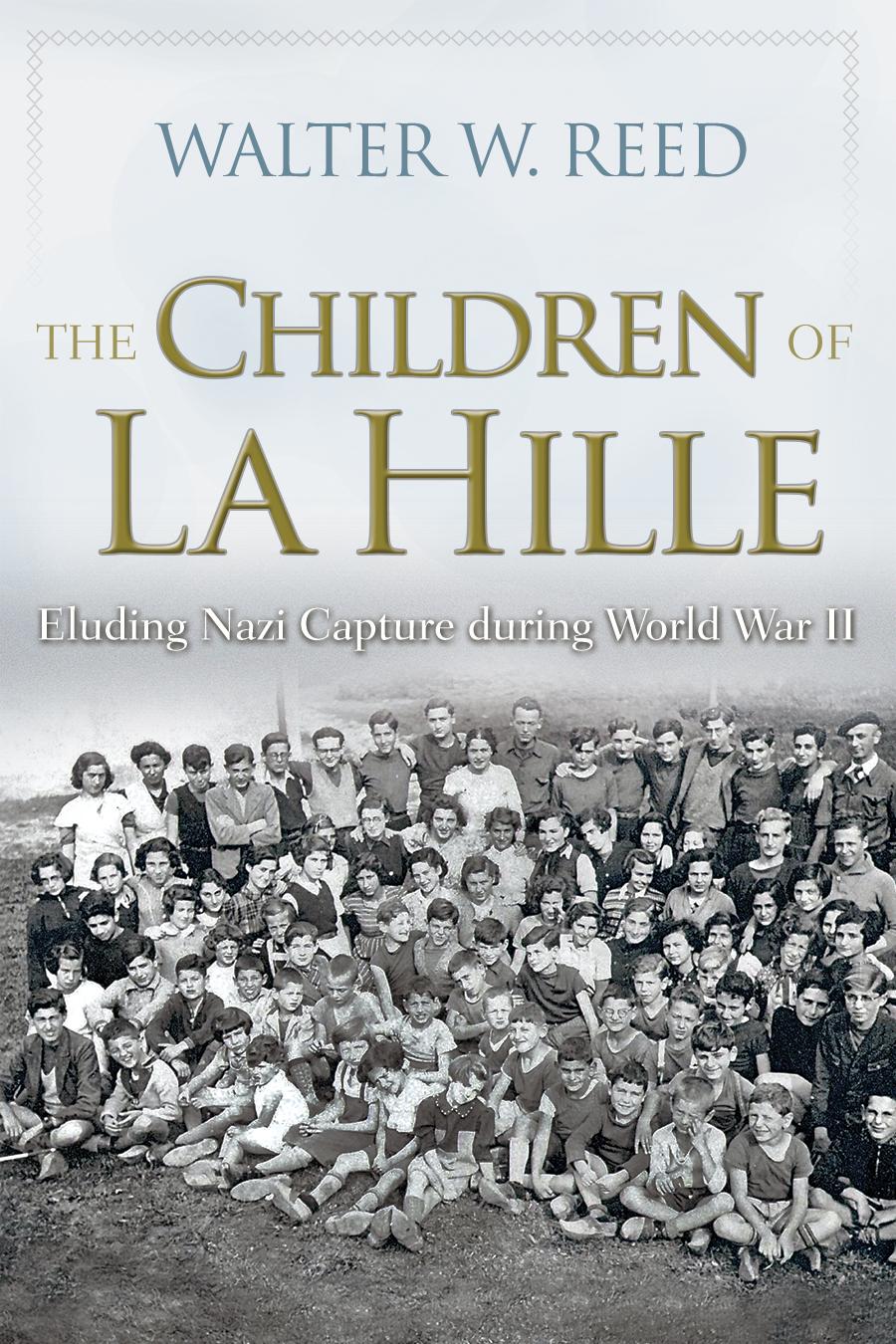
Following the horrors of Kristallnacht in November of 1938, frightened parents were forced to find refuge for their children, far from the escalating anti-Jewish violence. To that end, a courageous group of Belgian women organized a desperate and highly dangerous rescue mission to usher nearly 1,000 children out of Germany and Austria. Of these children, ninety-three were placed on a freight train, traveling through the night away from their families and into the relative safety of Vichy France. Ranging in age from five to sixteen years, the children along with their protectors spent a harsh winter in an abandoned barn with little food before eventually finding shelter in the isolated Château de la Hille in southern France. While several of the youngest children were safely routed to the United States, those who remained continued to be hunted by Nazi soldiers until finally smuggled illegally across the Swiss Alps to safe houses. Remarkably, all but eleven of the original ninety-three children survived the war due to the unrelenting efforts of their protectors and their own resilience.
In The Children of La Hille, Reed narrates this stunning firsthand account of the amazing rescue and the countless heroic efforts of those who helped along the way. As one of the La Hille children, Reed recalls with poignant detail traveling from lice-infested, abandoned convents to stately homes in the foothills of the Pyrenees, always scrambling to keep one step ahead of the Nazis. Drawing upon survivor interviews, journals, and letters, Reed affectionately describes rousing afternoon swims in a nearby natural pond and lively renditions of Molière plays performed for an audience of local farmers. He tells of heart-stopping near misses as the Vichy police roundups intensified, forcing children to hide in the woods to escape capture. The Children of La Hille gives readers an intimate glimpse of a harrowing moment in history, paying tribute to ordinary people acting in extraordinary ways.
Before Memmo my notes were scattered across PDFs. Now a workspace pulls everything into one place — I see exactly what's still left to study.
Memmo's summaries are gold before exams. I don't have to re-read 800 pages two weeks before — just the important parts.
The AI chat has saved me the night before an exam more than once. I just keep asking until I get it — no waiting on a study group to reply.
The quizzes hit exactly what I need to know. Memmo tracks what I get stuck on — so I only practice what's worth it.
Flashcards with spaced repetition are magic. Memmo knows when I'm about to forget something and brings it back.
The AI podcasts are my favorite. I listen on my way to school and get a recap without sitting at a computer.

Handbok i kvalitativa metoder
281 kr

Hållbar utveckling: en introduktion för ingenjörer och andra problemlösare
334 kr

Brymans Samhällsvetenskapliga metoder
390 kr

Projektledning
491 kr

Den orättvisa hälsan: om socioekonomiska skillnader i hälsa och livslängd
326 kr

Vetenskapsteori för nybörjare
196 kr

Organizational Leadership
429 kr

På väg mot läraryrket
172 kr

Det sociala livet i skolan: Socialpsykologiska perspektiv
253 kr

Betygsättningens didaktik
151 kr

Personality
402 kr

Studying Leadership
404 kr

Managing Innovation
477 kr

Introduktion till samhällsvetenskaplig metod
347 kr

The Psychology of Sex and Gender
698 kr

Evidens och kunskap för socialt arbete
207 kr

Introduction to Leadership
605 kr