
Before Memmo my notes were scattered across PDFs. Now a workspace pulls everything into one place — I see exactly what's still left to study.
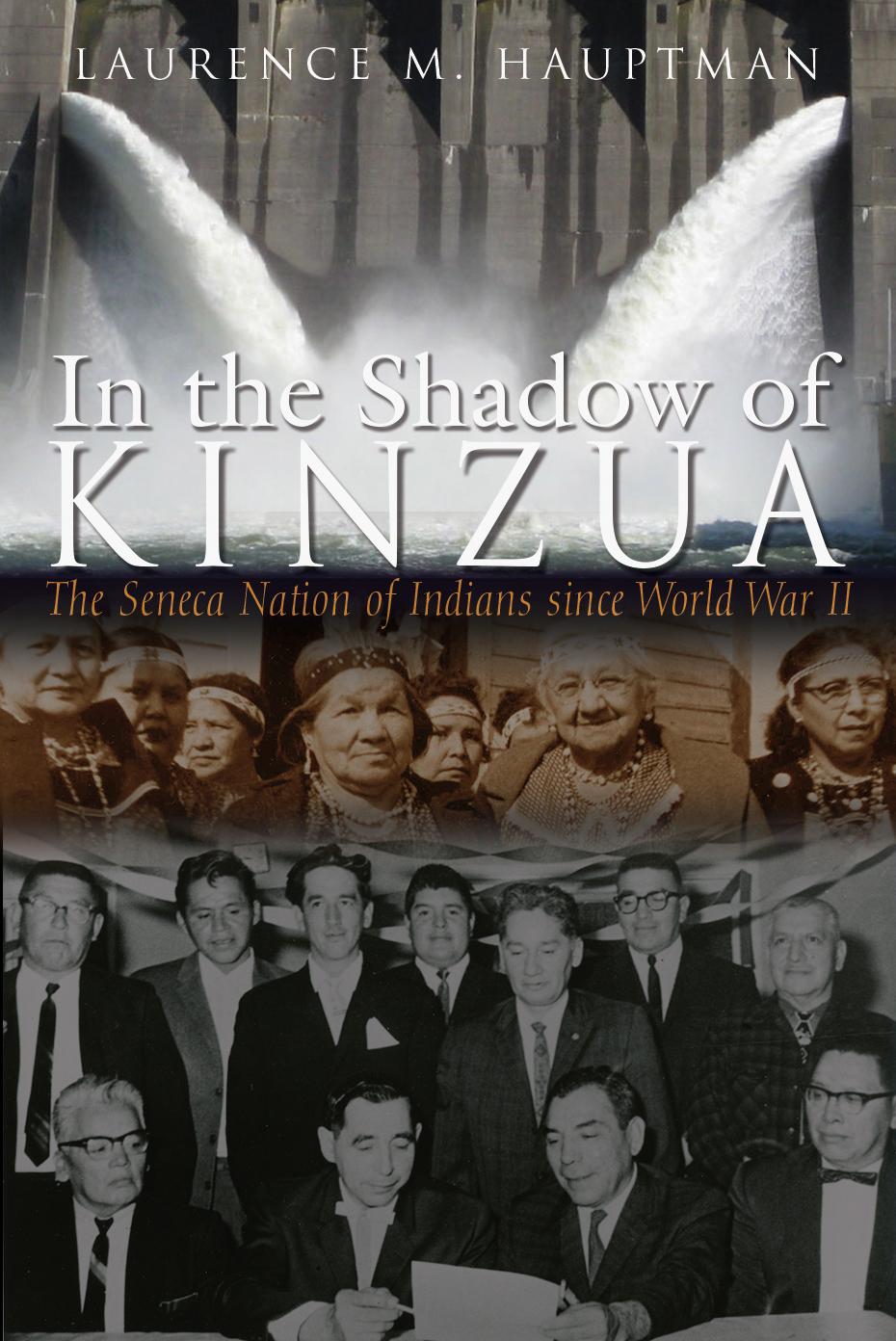
The Kinzua Dam has cast a long shadow on Seneca life since World War II. The project, formally dedicated in 1966, broke the Treaty of Canandaigua of 1794, flooded approximately 10,000 acres of Seneca lands in New York and Pennsylvania, and forced the relocation of hundreds of tribal members. Hauptman offers both a policy study, detailing how and why Washington, Harrisburg, and Albany came up with the idea to build the dam, and a community study of the Seneca Nation in the postwar era. Although the dam was presented to the Senecas as a flood control project, Hauptman persuasively argues that the primary reasons were the push for private hydroelectric development in Pennsylvania and state transportation and park development in New York.
This important investigation, based on forty years of archival research as well as on numerous interviews with Senecas, shows that these historically resilient Native peoples adapted in the face of this disaster. Unlike previous studies, In the Shadow of Kinzua highlights the federated nature of Seneca Nation government, one held together in spite of great diversity of opinions and intense politics. In the Kinzua crisis and its aftermath, several Senecas stood out for their heroism and devotion to rebuilding their nation for tribal survival. They left legacies in many areas, including two community centers, a modern health delivery system, two libraries, and a museum. Money allocated in a "compensation bill" passed by Congress in 1964 produced a generation of college-educated Senecas, some of whom now work in tribal government, making major contributions to the Nation’s present and future. Facing impossible odds and hidden forces, they motivated a cadre of volunteers to help rebuild devastated lands. Although their strategies did not stop the dam’s construction, they laid the groundwork for a tribal governing structure and for managing other issues that followed from the 1980s to the present, including land claims litigation and casinos.
Before Memmo my notes were scattered across PDFs. Now a workspace pulls everything into one place — I see exactly what's still left to study.
Memmo's summaries are gold before exams. I don't have to re-read 800 pages two weeks before — just the important parts.
The AI chat has saved me the night before an exam more than once. I just keep asking until I get it — no waiting on a study group to reply.
The quizzes hit exactly what I need to know. Memmo tracks what I get stuck on — so I only practice what's worth it.
Flashcards with spaced repetition are magic. Memmo knows when I'm about to forget something and brings it back.
The AI podcasts are my favorite. I listen on my way to school and get a recap without sitting at a computer.

Handbok i kvalitativa metoder
281 kr

Hållbar utveckling: en introduktion för ingenjörer och andra problemlösare
334 kr

Brymans Samhällsvetenskapliga metoder
390 kr

Projektledning
491 kr

Den orättvisa hälsan: om socioekonomiska skillnader i hälsa och livslängd
326 kr

Vetenskapsteori för nybörjare
196 kr

Organizational Leadership
429 kr

På väg mot läraryrket
172 kr

Det sociala livet i skolan: Socialpsykologiska perspektiv
253 kr

Betygsättningens didaktik
151 kr

Personality
402 kr

Studying Leadership
404 kr

Managing Innovation
477 kr

Introduktion till samhällsvetenskaplig metod
347 kr

The Psychology of Sex and Gender
698 kr

Evidens och kunskap för socialt arbete
207 kr

Introduction to Leadership
605 kr