
Before Memmo my notes were scattered across PDFs. Now a workspace pulls everything into one place — I see exactly what's still left to study.
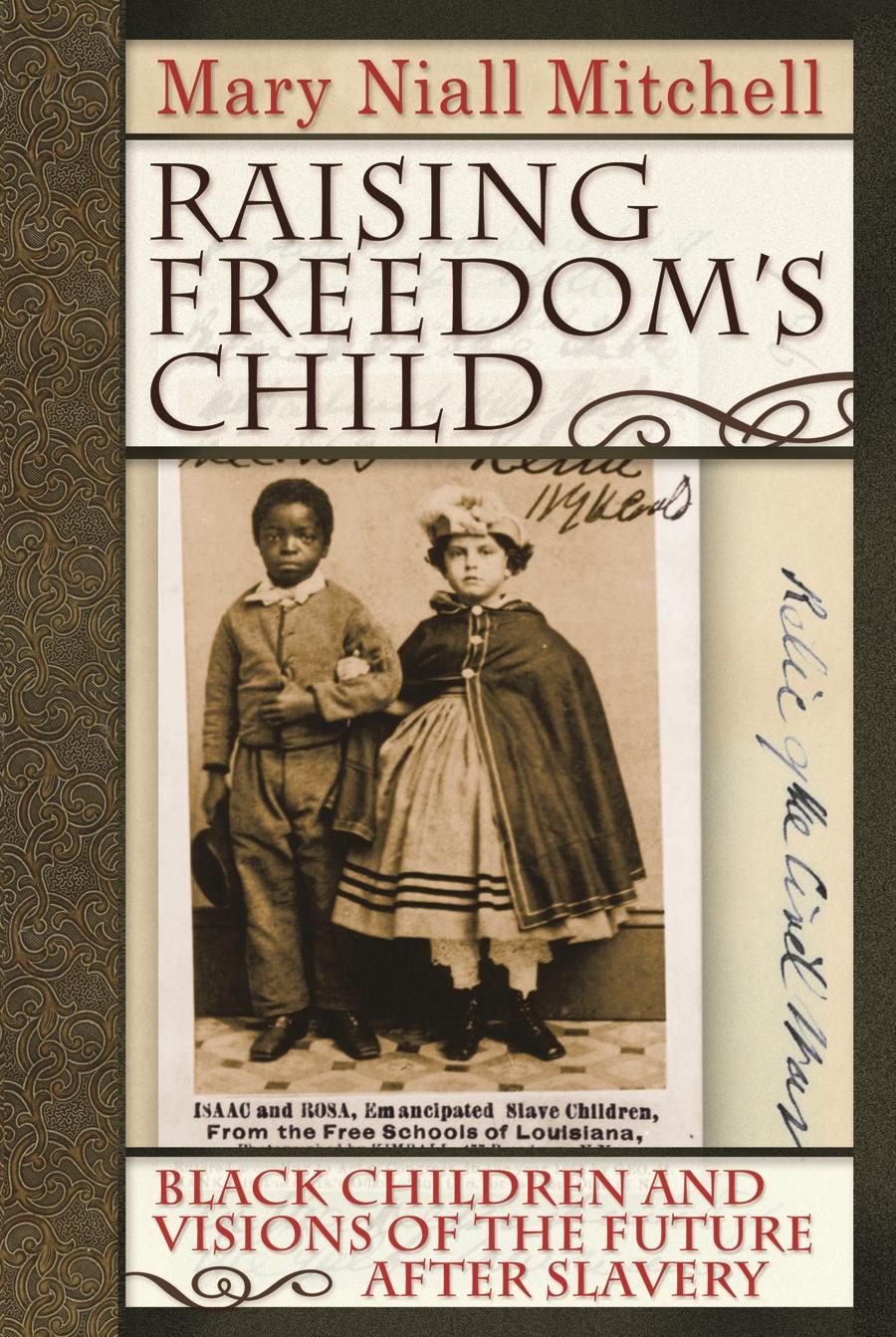
The end of slavery in the United States inspired conflicting visions of the future for all Americans in the nineteenth century, black and white, slave and free. The black child became a figure upon which people projected their hopes and fears about slavery’s abolition. As a member of the first generation of African Americans raised in freedom, the black child—freedom’s child—offered up the possibility that blacks might soon enjoy the same privileges as whites: landownership, equality, autonomy. Yet for most white southerners, this vision was unwelcome, even frightening. Many northerners, too, expressed doubts about the consequences of abolition for the nation and its identity as a white republic.
From the 1850s and the Civil War to emancipation and the official end of Reconstruction in 1877, Raising Freedom’s Child examines slave emancipation and opposition to it as a far-reaching, national event with profound social, political, and cultural consequences. Mary Niall Mitchell analyzes multiple views of the black child—in letters, photographs, newspapers, novels, and court cases—to demonstrate how Americans contested and defended slavery and its abolition.
With each chapter, Mitchell narrates an episode in the lives of freedom’s children, from debates over their education and labor to the future of racial classification and American citizenship.Raising Freedom’s Child illustrates how intensely the image of the black child captured the imaginations of many Americans during the upheavals of the Civil War era. Through public struggles over the black child, Mitchell argues, Americans by turns challenged and reinforced the racial inequality fostered under slavery in the United States. Only with the triumph of segregation in public schools in 1877 did the black child lose her central role in the national debate over civil rights, a role she would not play again until the 1950s.
Before Memmo my notes were scattered across PDFs. Now a workspace pulls everything into one place — I see exactly what's still left to study.
Memmo's summaries are gold before exams. I don't have to re-read 800 pages two weeks before — just the important parts.
The AI chat has saved me the night before an exam more than once. I just keep asking until I get it — no waiting on a study group to reply.
The quizzes hit exactly what I need to know. Memmo tracks what I get stuck on — so I only practice what's worth it.
Flashcards with spaced repetition are magic. Memmo knows when I'm about to forget something and brings it back.
The AI podcasts are my favorite. I listen on my way to school and get a recap without sitting at a computer.

Handbok i kvalitativa metoder
281 kr

Hållbar utveckling: en introduktion för ingenjörer och andra problemlösare
334 kr

Brymans Samhällsvetenskapliga metoder
390 kr

Projektledning
491 kr

Den orättvisa hälsan: om socioekonomiska skillnader i hälsa och livslängd
326 kr

Vetenskapsteori för nybörjare
196 kr

Organizational Leadership
429 kr

På väg mot läraryrket
172 kr

Det sociala livet i skolan: Socialpsykologiska perspektiv
253 kr

Betygsättningens didaktik
151 kr

Personality
402 kr

Studying Leadership
404 kr

Managing Innovation
477 kr

Introduktion till samhällsvetenskaplig metod
347 kr

The Psychology of Sex and Gender
698 kr

Evidens och kunskap för socialt arbete
207 kr

Introduction to Leadership
605 kr