
Before Memmo my notes were scattered across PDFs. Now a workspace pulls everything into one place — I see exactly what's still left to study.
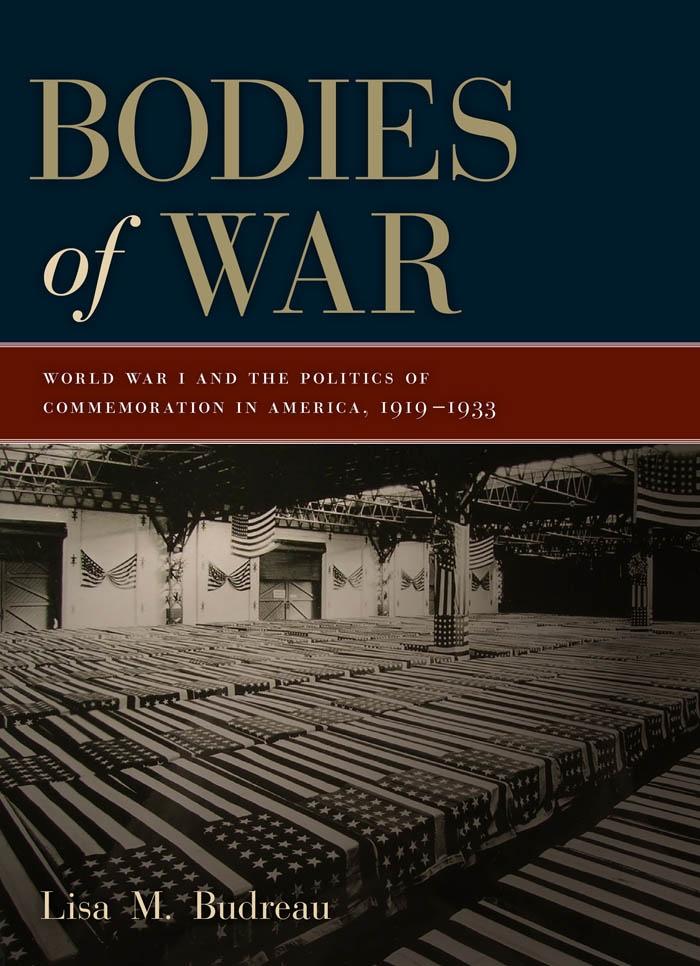
Dissects the politics of commemoration of soldiers, veterans, and relatives from WWI
The United States lost thousands of troops during World War I, and the government gave next-of-kin a choice about what to do with their fallen loved ones: ship them home for burial or leave them permanently in Europe, in makeshift graves that would be eventually transformed into cemeteries in France, Belgium, and England. World War I marked the first war in which the United States government and military took full responsibility for the identification, burial, and memorialization of those killed in battle, and as a result, the process of burying and remembering the dead became intensely political. The government and military attempted to create a patriotic consensus on the historical memory of World War I in which war dead were not only honored but used as a symbol to legitimize America’s participation in a war not fully supported by all citizens.
The saga of American soldiers killed in World War I and the efforts of the living to honor them is a neglected component of United States military history, and in this fascinating yet often macabre account, Lisa M. Budreau unpacks the politics and processes of the competing interest groups involved in the three core components of commemoration: repatriation, remembrance, and return. She also describes how relatives of the fallen made pilgrimages to French battlefields, attended largely by American Legionnaires and the Gold Star Mothers, a group formed by mothers of sons killed in World War I, which exists to this day. Throughout, and with sensitivity to issues of race and gender, Bodies of War emphasizes the inherent tensions in the politics of memorialization and explores how those interests often conflicted with the needs of veterans and relatives.
Before Memmo my notes were scattered across PDFs. Now a workspace pulls everything into one place — I see exactly what's still left to study.
Memmo's summaries are gold before exams. I don't have to re-read 800 pages two weeks before — just the important parts.
The AI chat has saved me the night before an exam more than once. I just keep asking until I get it — no waiting on a study group to reply.
The quizzes hit exactly what I need to know. Memmo tracks what I get stuck on — so I only practice what's worth it.
Flashcards with spaced repetition are magic. Memmo knows when I'm about to forget something and brings it back.
The AI podcasts are my favorite. I listen on my way to school and get a recap without sitting at a computer.

Handbok i kvalitativa metoder
281 kr

Hållbar utveckling: en introduktion för ingenjörer och andra problemlösare
334 kr

Brymans Samhällsvetenskapliga metoder
390 kr

Projektledning
491 kr

Den orättvisa hälsan: om socioekonomiska skillnader i hälsa och livslängd
326 kr

Organizational Leadership
429 kr

Vetenskapsteori för nybörjare
196 kr

På väg mot läraryrket
172 kr

Det sociala livet i skolan: Socialpsykologiska perspektiv
253 kr

Betygsättningens didaktik
151 kr

Personality
402 kr

Studying Leadership
404 kr

Managing Innovation
477 kr

Introduktion till samhällsvetenskaplig metod
347 kr

The Psychology of Sex and Gender
698 kr

Evidens och kunskap för socialt arbete
207 kr

Introduction to Leadership
605 kr