
Before Memmo my notes were scattered across PDFs. Now a workspace pulls everything into one place — I see exactly what's still left to study.
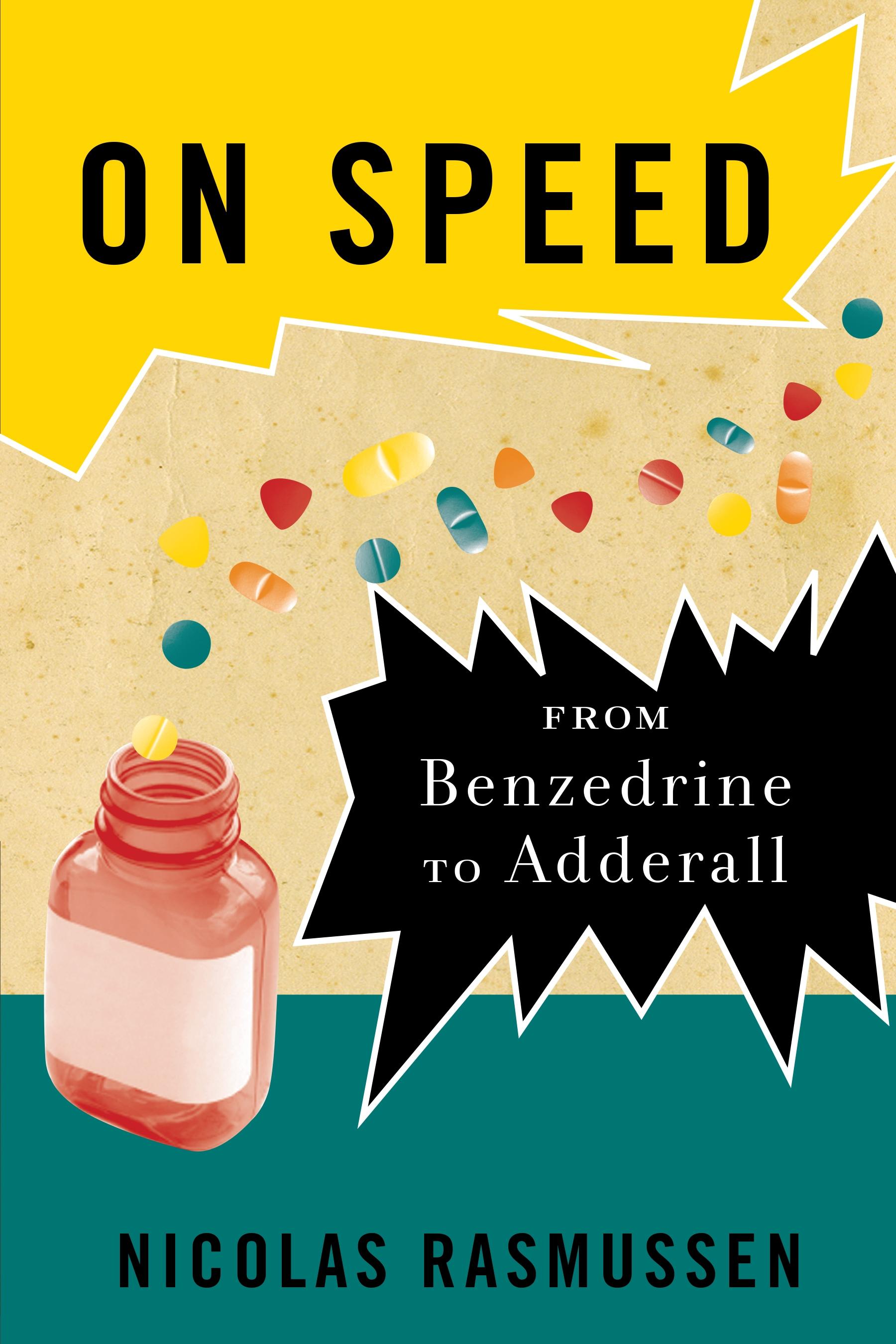
An extensively researched account of the ups and downs in the history of uppers
Uppers. Crank. Bennies. Dexies. Greenies. Black Beauties. Purple Hearts. Crystal. Ice. And, of course, Speed. Whatever their street names at the moment, amphetamines have been an insistent force in American life since they were marketed as the original antidepressants in the 1930s. On Speed tells the remarkable story of their rise, their fall, and their surprising resurgence. Along the way, it discusses the influence of pharmaceutical marketing on medicine, the evolving scientific understanding of how the human brain works, the role of drugs in maintaining the social order, and the centrality of pills in American life. Above all, however, this is a highly readable biography of a very popular drug. And it is a riveting story.
Incorporating extensive new research, On Speed describes the ups and downs (fittingly, there are mostly ups) in the history of amphetamines, and their remarkable pervasiveness. For example, at the same time that amphetamines were becoming part of the diet of many GIs in World War II, an amphetamine-abusing counterculture began to flourish among civilians. In the 1950s, psychiatrists and family doctors alike prescribed amphetamines for a wide variety of ailments, from mental disorders to obesity to emotional distress. By the late 1960s, speed had become a fixture in everyday life: up to ten percent of Americans were thought to be using amphetamines at least occasionally.
Although their use was regulated in the 1970s, it didn't take long for amphetamines to make a major comeback, with the discovery of Attention Deficit Disorder and the role that one drug in the amphetamine family—Ritalin—could play in treating it. Today’s most popular diet-assistance drugs differ little from the diet pills of years gone by, still speed at their core. And some of our most popular recreational drugs—including the "mellow" drug, Ecstasy—are also amphetamines. Whether we want to admit it or not, writes Rasmussen, we’re still a nation on speed.
Before Memmo my notes were scattered across PDFs. Now a workspace pulls everything into one place — I see exactly what's still left to study.
Memmo's summaries are gold before exams. I don't have to re-read 800 pages two weeks before — just the important parts.
The AI chat has saved me the night before an exam more than once. I just keep asking until I get it — no waiting on a study group to reply.
The quizzes hit exactly what I need to know. Memmo tracks what I get stuck on — so I only practice what's worth it.
Flashcards with spaced repetition are magic. Memmo knows when I'm about to forget something and brings it back.
The AI podcasts are my favorite. I listen on my way to school and get a recap without sitting at a computer.

Handbok i kvalitativa metoder
281 kr

Hållbar utveckling: en introduktion för ingenjörer och andra problemlösare
334 kr

Brymans Samhällsvetenskapliga metoder
390 kr

Projektledning
491 kr

Den orättvisa hälsan: om socioekonomiska skillnader i hälsa och livslängd
326 kr

Organizational Leadership
429 kr

Vetenskapsteori för nybörjare
196 kr

På väg mot läraryrket
172 kr

Det sociala livet i skolan: Socialpsykologiska perspektiv
253 kr

Betygsättningens didaktik
151 kr

Personality
402 kr

Studying Leadership
404 kr

Managing Innovation
477 kr

Introduktion till samhällsvetenskaplig metod
347 kr

The Psychology of Sex and Gender
698 kr

Evidens och kunskap för socialt arbete
207 kr

Introduction to Leadership
605 kr