
Before Memmo my notes were scattered across PDFs. Now a workspace pulls everything into one place — I see exactly what's still left to study.
The history of domestic labor markets in 19th century America
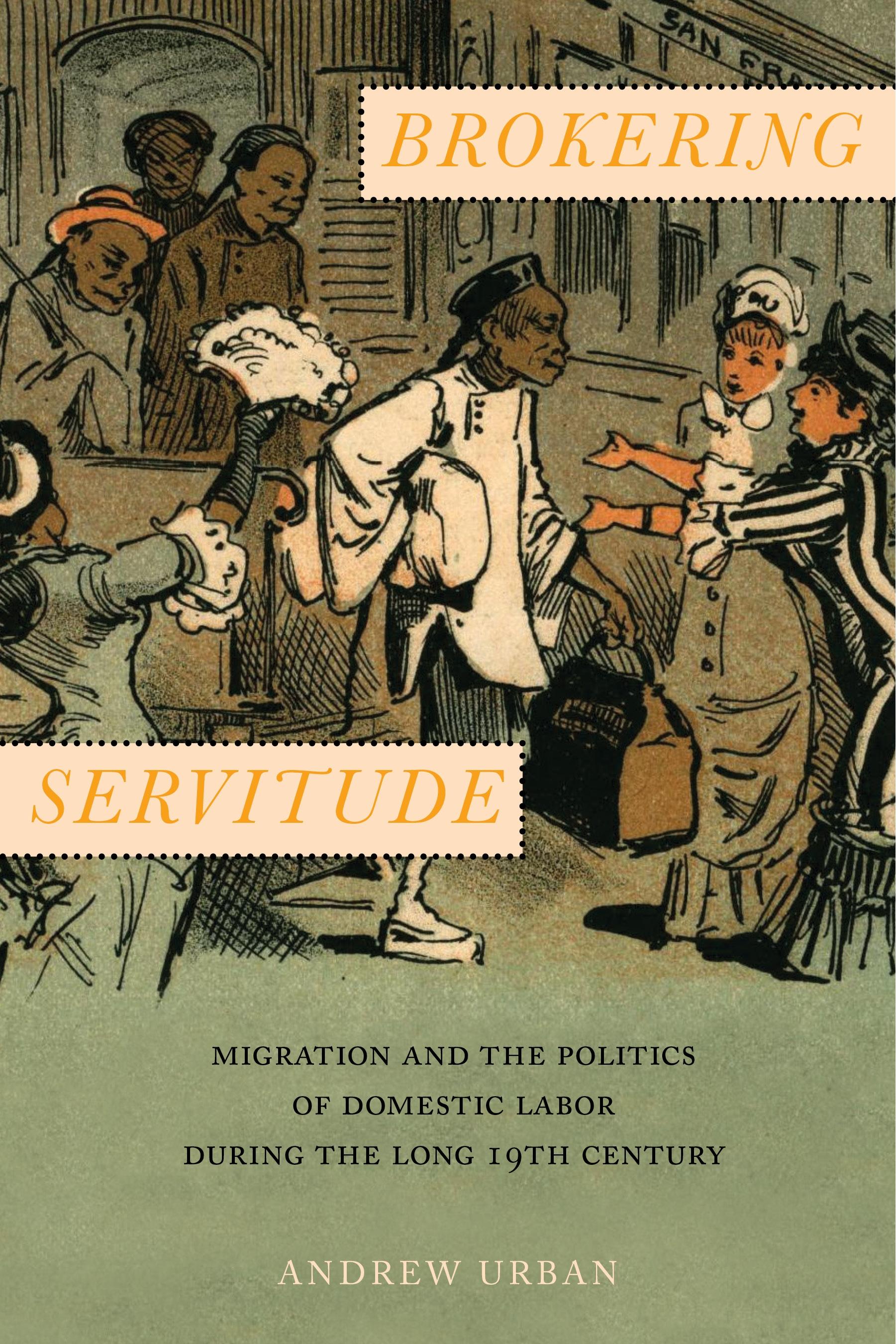
From the era of Irish Famine migration to the passage of quota restrictions in the 1920s, household domestic service was the single largest employer of women in the United States, and, in California, a pivotal occupation for male Chinese immigrants. Servants of both sexes accounted for eight percent of the total labor force – about one million people. In Brokering Servitude, Andrew Urban offers a history of these domestic servants, focusing on how Irish immigrant women, Chinese immigrant men, and American-born black women navigated the domestic labor market in the nineteenth century – a market in which they were forced to grapple with powerful racial and gendered discrimination.
Through vivid examples like how post-famine Irish immigrants were enlisted to work as servants in exchange for relief, this book examines how race, citizenship, and the performance of domestic labor relate to visions of American expansion. Because household service was undesirable work stigmatized as unfree, brokers were integral to steering and compelling women, men, and children into this labor. By the end of the nineteenth century, the federal government became a major broker of domestic labor through border controls, and immigration officials became important actors in dictating which workers were available for domestic labor and under what conditions they could be contracted.
Drawing on a range of sources – from political cartoons to immigrant case files to novels – Brokering Servitude connects Asian immigration, European immigration, and internal, black migration. The book ultimately demonstrates the ways in which employers pitted these groups against each other in competition for not only servant positions, but also certain forms of social inclusion, offering important insights into an oft-overlooked area of American history.
Before Memmo my notes were scattered across PDFs. Now a workspace pulls everything into one place — I see exactly what's still left to study.
Memmo's summaries are gold before exams. I don't have to re-read 800 pages two weeks before — just the important parts.
The AI chat has saved me the night before an exam more than once. I just keep asking until I get it — no waiting on a study group to reply.
The quizzes hit exactly what I need to know. Memmo tracks what I get stuck on — so I only practice what's worth it.
Flashcards with spaced repetition are magic. Memmo knows when I'm about to forget something and brings it back.
The AI podcasts are my favorite. I listen on my way to school and get a recap without sitting at a computer.

Handbok i kvalitativa metoder
281 kr

Hållbar utveckling: en introduktion för ingenjörer och andra problemlösare
334 kr

Brymans Samhällsvetenskapliga metoder
390 kr

Projektledning
491 kr

Den orättvisa hälsan: om socioekonomiska skillnader i hälsa och livslängd
326 kr

Organizational Leadership
429 kr

Vetenskapsteori för nybörjare
196 kr

På väg mot läraryrket
172 kr

Det sociala livet i skolan: Socialpsykologiska perspektiv
253 kr

Betygsättningens didaktik
151 kr

Personality
402 kr

Studying Leadership
404 kr

Managing Innovation
477 kr

Introduktion till samhällsvetenskaplig metod
347 kr

The Psychology of Sex and Gender
698 kr

Evidens och kunskap för socialt arbete
207 kr

Introduction to Leadership
605 kr